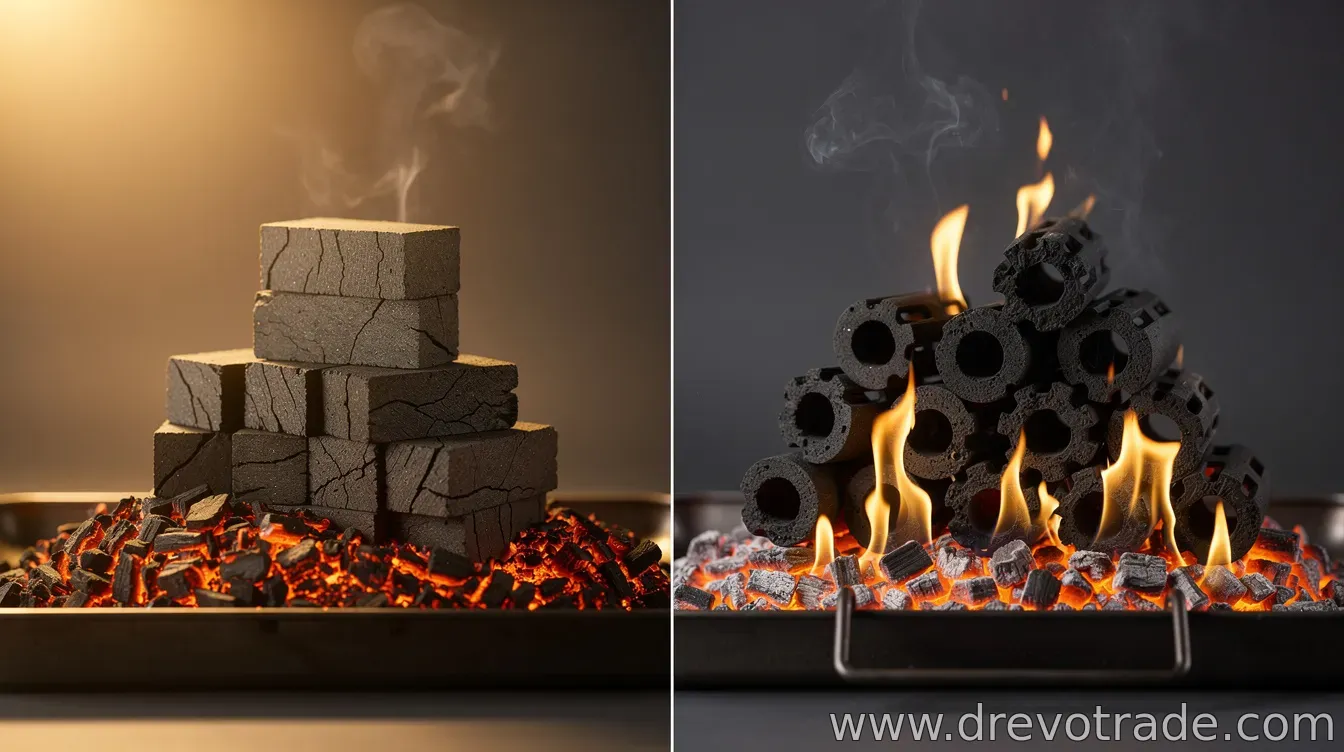
Heating a home with firewood this season can be cost-effective, but it isn’t one fixed number. Your total expense will vary based on wood cost in your area, the type of stove or fireplace you use, how dry the wood is, and local weather and home efficiency. Because firewood is sold in different ways (cords, face cords, or by the bundle), the most useful approach is to estimate how much wood you’ll burn and then multiply by your local price per unit. Step 1: Know how firewood is priced where you liveMost regions price firewood by the cord. A full cord is commonly 4 ft × 4 ft × 8 ft (128 cubic feet). Some sellers use a “face cord” (often 4 ft × 8 ft × varying depth), so always confirm the volume. If you see a “per bundle” or “per pickup load” price, ask for approximate volume or typical cord-equivalent. For budgeting, you can convert everything to $ per co ... Read more » |
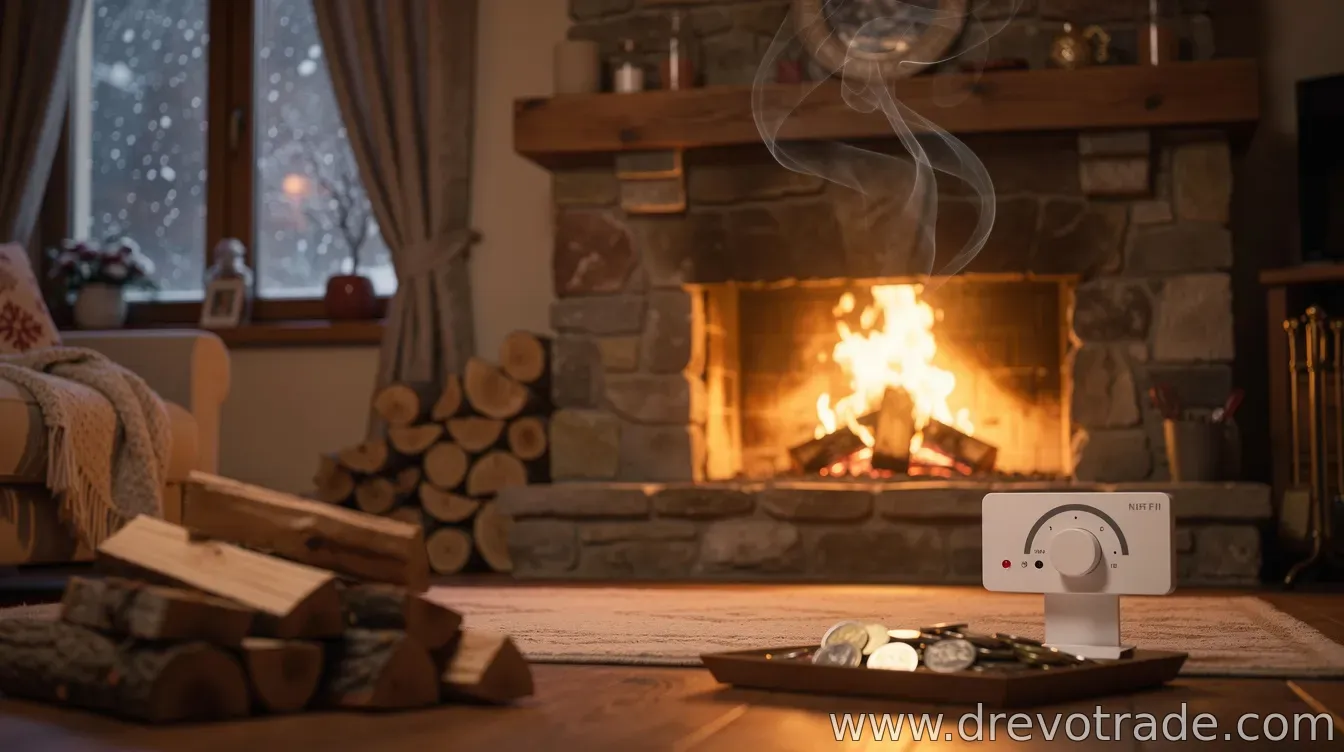
 Choosing fuel for a camping trip is more than a preference—it’s logistics. When you’re hiking in, keeping the campsite tidy, or simply trying to avoid soggy fires, briquettes can be a smarter fit than traditional logs. Here’s why briquettes tend to travel better than logs, and what that means for your next outdoor fire. 1) More consistent size and weight per “useable heat”Many briquettes are manufactured to uniform dimensions, so you can estimate how much fuel you’ll need more accurately. With logs, fuel quality and thickness vary widely, which can lead to uneven burning and unpredictable heat output—especially with mixed or partially seasoned wood. 2) Better travel efficiency and easier packingBriquettes are typically denser and can be packed more compactly in a bag or vehicle, with less wasted space. Logs often require bulkier packing, and awkward shapes make it harder to stack or secure ... Read more » |
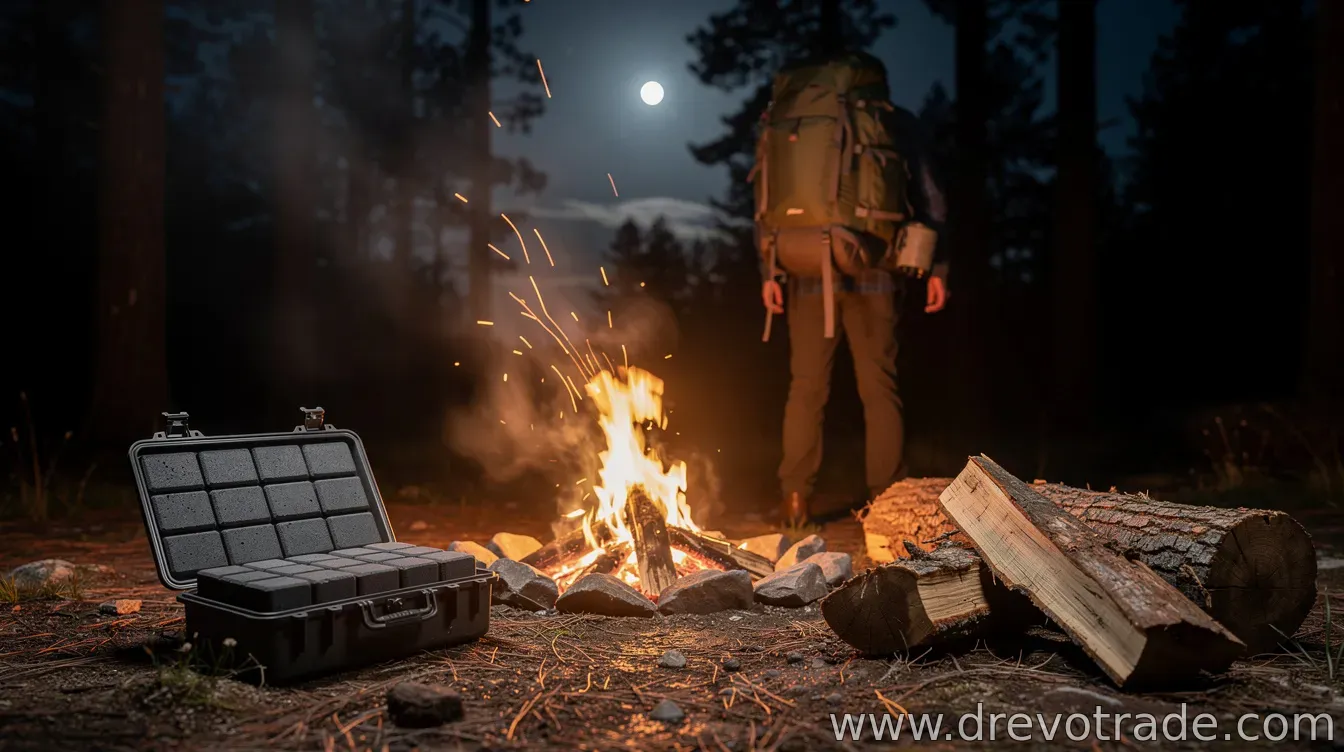
 Heating a greenhouse with firewood or briquettes is possible, but it’s rarely a “set it and forget it” solution. Whether it’s practical comes down to how much heat your greenhouse actually loses, what temperatures you’re trying to maintain, and how much work (and storage space) you’re willing to handle. In general, wood-based fuels can work best when the greenhouse is well insulated (double-layer glazing, tight seals, and thermal curtains at night). Without that, fuel burn will rise sharply, making costs—and smoke-control issues—harder to justify. What determines practicalityThe biggest drivers are heat demand and distribution. Greenhouses lose heat through glazing, ventilation leaks, and the ground. So even if you have a good stove, an uninsulated structure can drain fuel quickly. The second issue is delivering heat evenly: placing a heater in one corner may create hot and cold zones unless you use circulati ... Read more » |
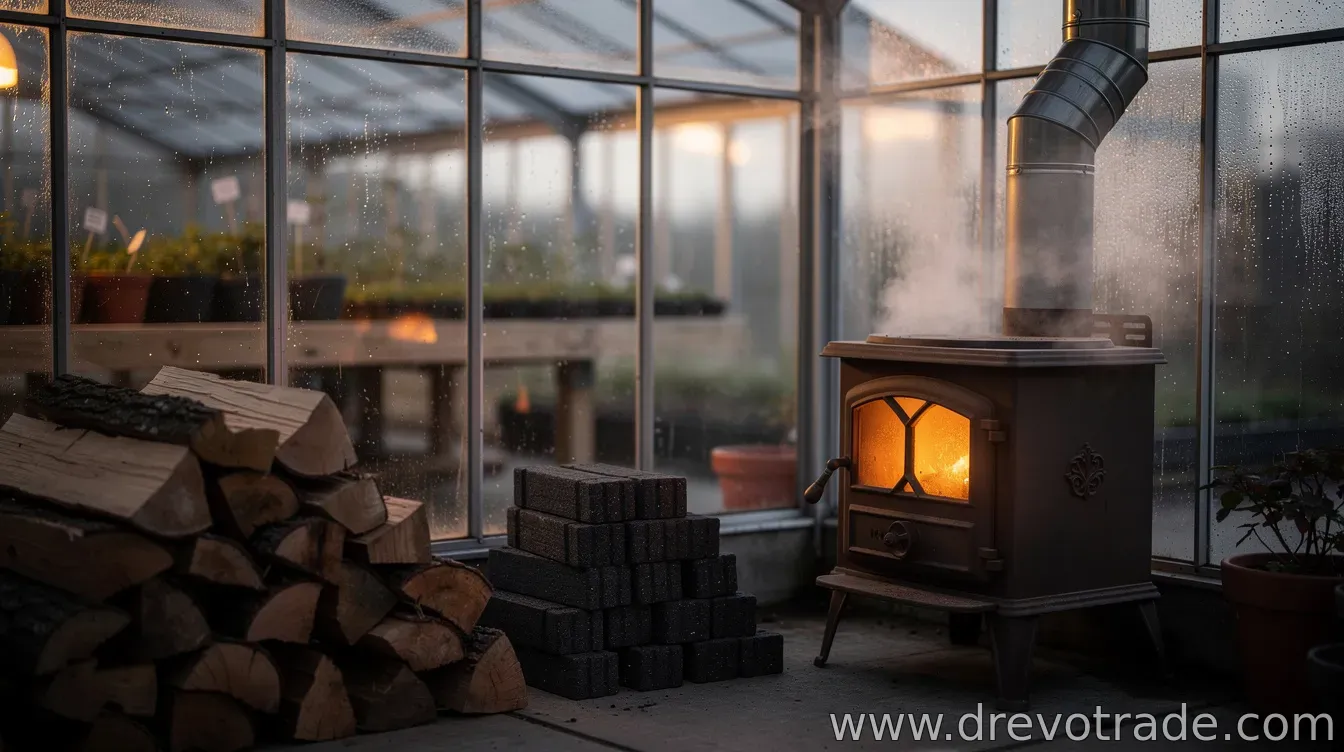
 Choosing between RUF briquettes and Pini Key briquettes usually comes down to how you want them to behave in your stove or fireplace. While both are made from compressed biomass (commonly sawdust or wood waste), their manufacturing differences affect shape, density, ignition characteristics, and burn duration. RUF briquettes are typically rectangular or block-like, produced by pressing material through a flat die. Pini Key briquettes, in contrast, are usually multi-sided and extruded (often described as star-like or polygonal), formed by a die that creates a tighter outer shell. Shape and structureRUF briquettes’ uniform block shape is designed for straightforward stacking and stable handling. Their cross-section is flat and consistent, which can make them easy to arrange in batch-fed stoves. Pini Key briquettes’ extruded, polygonal shape increases surface detail and—more importan ... Read more » |