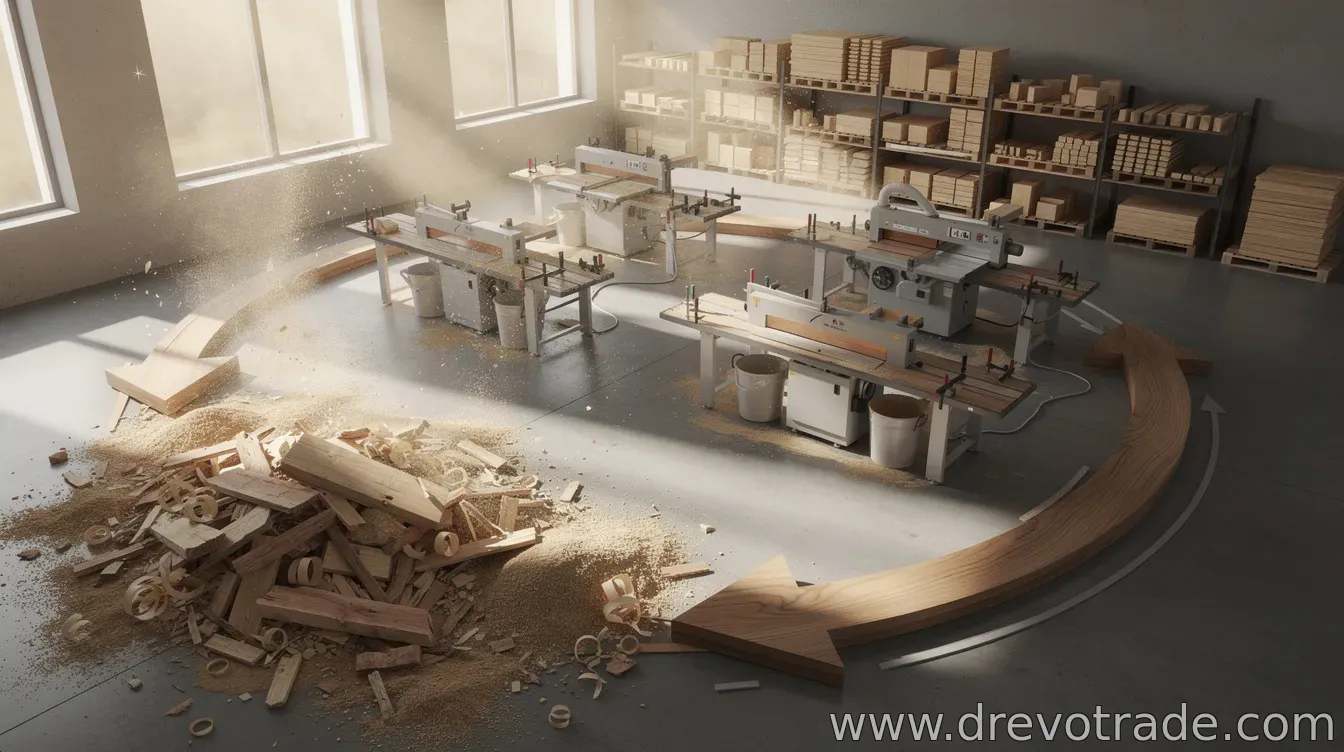
Woodworking traditionally works with relatively “material-intensive” processes, where a significant part of the raw material can turn into waste: sawdust, shavings, trimmings, dust, ash and sludge after filtration. In the circular economy approach, these fractions are not considered as waste, but as a resource that has a clear application within the same or related industries. The idea is simple: minimize losses at the cutting and drying stage, standardize the collection and sorting of residues, and then “close the loop” through recycling. The result is less accumulated waste, lower environmental impact and additional sources of value for companies. What waste becomes a resource The most common “second lives” include: sawdust and shavings for briquettes an ... Read more » |
 Pini Kay briquettes (often called “pini-kay”) are one of the most common types of solid biofuels based on wood waste. They are produced from sawdust and small wood fractions using high-pressure pressing and short heat treatment, which helps stabilize the shape and improve performance characteristics. Raw materials: what exactly is taken for pressing Sawdust preparation and adjustment to the required parameters |

 Pini Kay briquettes are a popular type of solid biofuel made from compressed wood particles (often from woodworking waste). They are easily recognized by their characteristic shape: the briquette usually has a “carbon-like” or multifaceted structure, due to which the flame and smoldering are distributed more evenly. In everyday life, Pini Kay is chosen for heating rooms and for fireplaces, as well as for use in stoves, if the system is designed for solid fuel. The main idea is to get predictable combustion without unnecessary surprises, which often happen with firewood of different quality. What is Pini Kay Why Pini Kay briquettes are better ... Read more » |

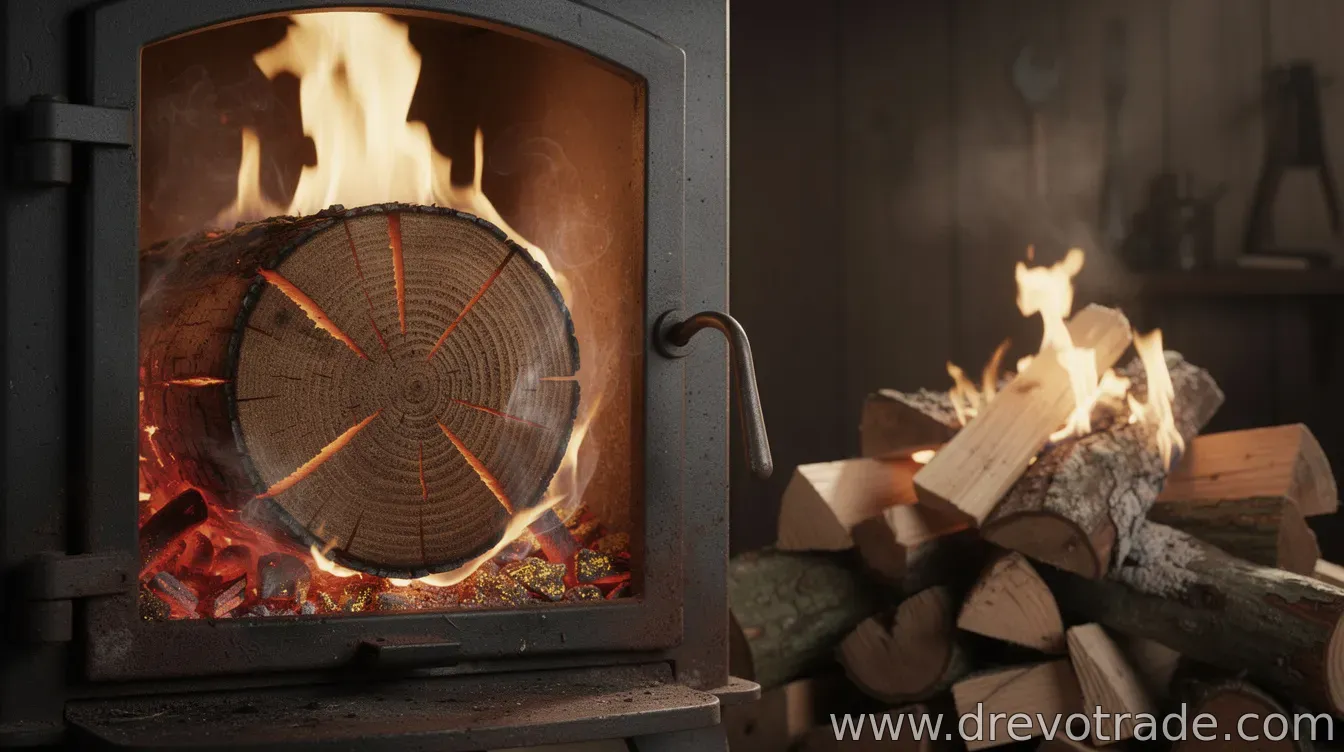
 Oak wood is known for its thermal and energy properties, which make it one of the most efficient types of wood for heating. The main reason for its high coefficient of performance (COP) is its density and thermal energy per unit volume. Key factors affecting the efficiency of oak wood: 1) High specific heat: Oak wood has a high density, so one cubic meter of dry oak wood contains more heat than lighter species. This means that less wood is needed to reach the same temperature, but with a higher thermal output. 2) Low moisture content after drying: The optimal moisture content of oak wood is usually around 12–20%, while raw wood can contain a significant amount of water. Lower moisture content means less energy is spent on evaporating water during combustion, which increases the purity and duration of the flame. 3) High combustion temperature: due to its dense structure, oak wood provides stable and long-lasting combustion with a high temperature ... Read more » |