14:54 Fireplace vs Wood Stove: Which Fuel Works Best? |
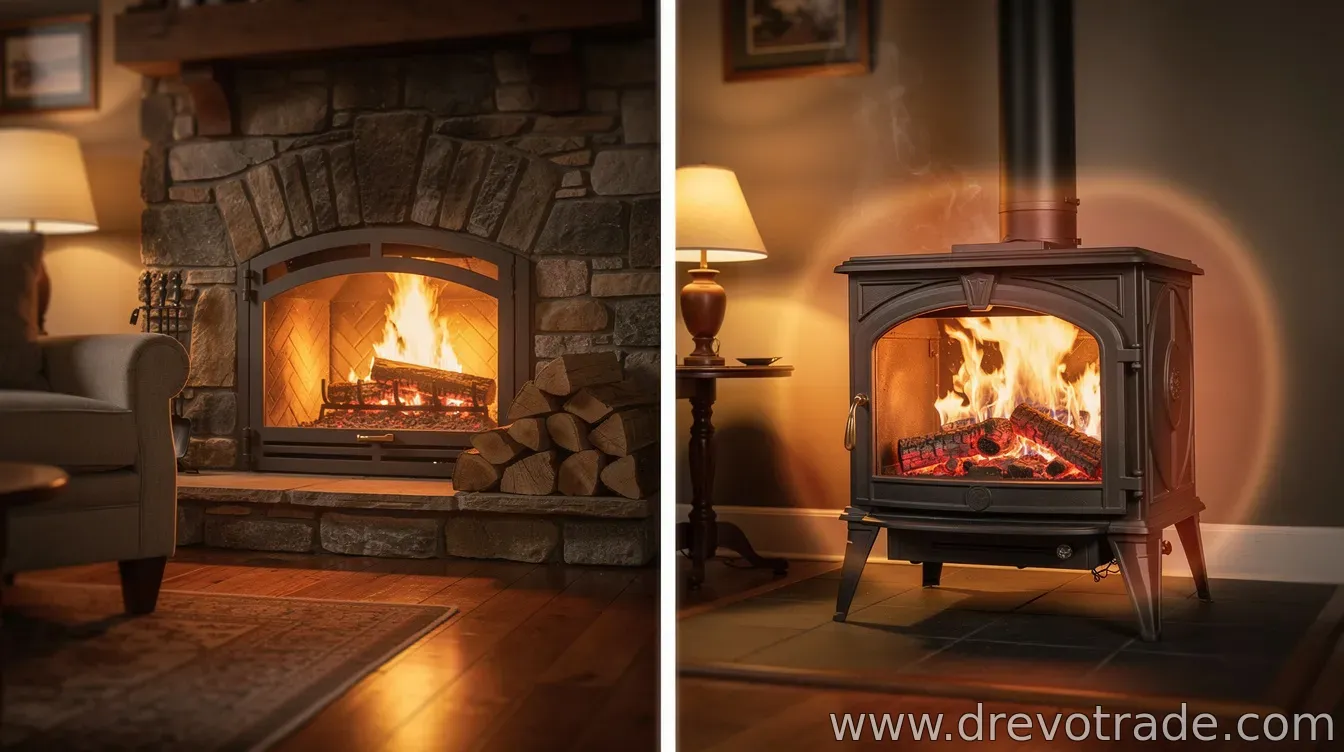 A fireplace and a wood stove can both use the same basic fuel—wood—but they perform differently. A fireplace is usually designed for open-air draft and ambiance, while a wood stove is built to capture more heat inside your home. That difference strongly affects what fuel is “best” for each. Fireplace: prioritize clean, well-seasoned logs for steady flameMost traditional fireplaces work best with dry, seasoned hardwood that ignites easily and burns cleaner. Because fireplaces lose much of the heat up the chimney, the goal is not maximum efficiency—it’s a pleasing, consistent fire with less smoke. For fireplaces, seasoned hardwood (typically cut, split, and dried for at least 6–12 months) tends to produce longer-lasting flames and fewer creosote problems than wet or softwood. If you can only choose one fuel type, go with seasoned hardwood. Wood stove: choose fuel for efficiency and longer burnsWood stoves are generally more efficient at converting fuel into usable heat, so fuel quality matters even more. Stoves reward fuels that burn steadily and generate consistent coals. That usually means seasoned hardwood packed at a suitable size for the stove’s loading door. In practice, a wood stove often performs best with hardwoods that produce dense, long-lasting coals. When properly operated with seasoned fuel and correct airflow, stoves can deliver more heat for the same volume of wood than fireplaces. What to burn: best fuel-by-fuel guidanceWhile both appliances may accept similar wood species, the “best” choice depends on moisture, burn characteristics, and how much heat you want to keep indoors.
Across both setups, the most reliable rule is fuel dryness. Seasoned wood—commonly described as having low moisture content—ignites more predictably, burns hotter, and reduces the amount of unburned material that can build up in the chimney. Species also matters, but season and dryness matter first. Dense hardwoods tend to give a slower, steadier burn that suits stoves. For fireplaces, dense hardwood can still be ideal, but the wider heat loss means the main benefit is cleaner combustion and a nicer flame. How to match fuel to your goalIf your priority is ambience, a fireplace with seasoned hardwood typically offers the best combination of flame quality and reduced smoke. If your priority is heating efficiency—warming rooms rather than just enjoying a fire—use a wood stove with seasoned hardwood and follow the appliance’s recommended loading and airflow practices. Before buying fuel, confirm what your specific appliance is designed to burn. Some stoves are rated for cord wood only, others for specific log sizes, and pellet stoves require pellets of a particular standard. Always follow local regulations and manufacturer instructions, especially regarding chimney maintenance and safe operating conditions. With the right match—seasoned hardwood for both, and a stove optimized for steady coals—you can get cleaner combustion and better results from whichever heating feature you choose. |
|
|
| Total comments: 0 | |