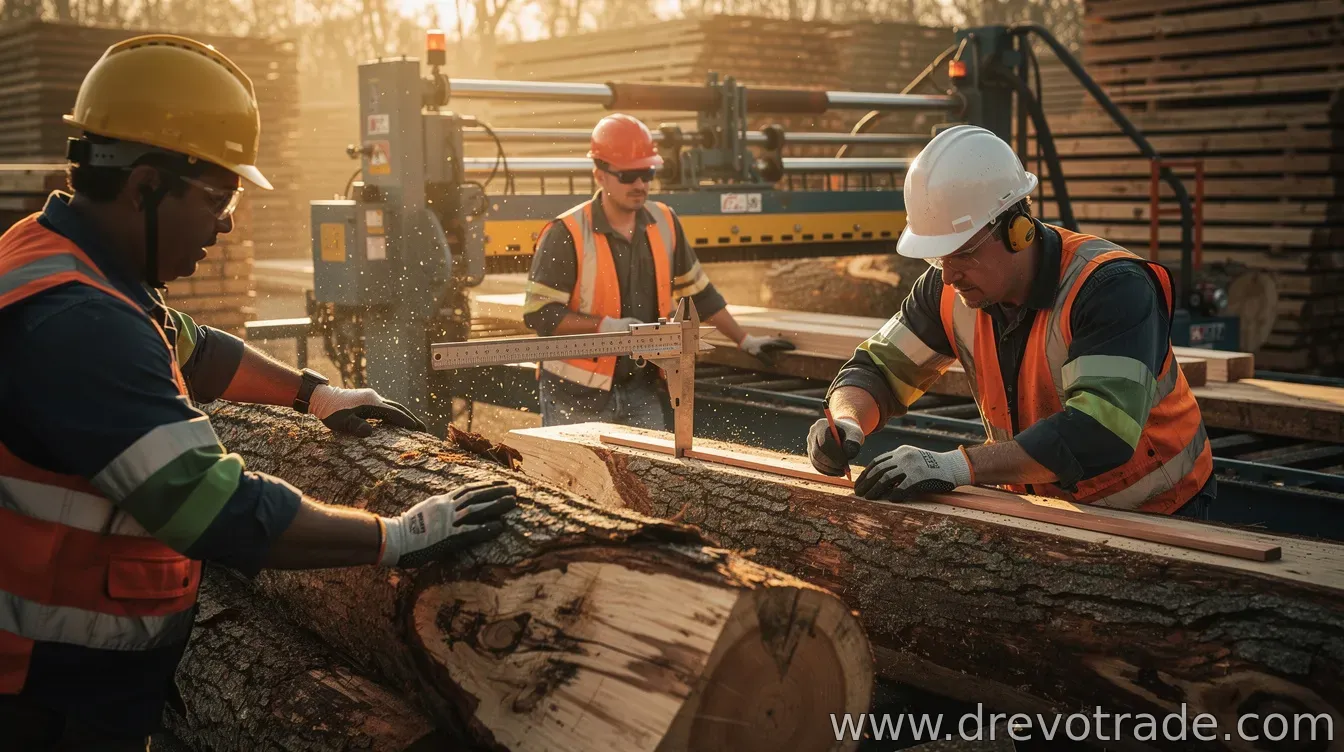
 When it comes to timber, quality isn’t decided at the mill—it starts at selection. Our team follows a structured process to assess raw logs for strength, stability, and suitability for specific end uses, then processes them to protect consistency through drying, machining, and handling. 1) Sourcing and traceability firstWe begin with origin documentation and supplier validation. Our intake team confirms the provenance of incoming timber and checks that it aligns with agreed specifications. This traceability step helps ensure we can account for material quality and handling history from delivery onward. 2) Visual grading and dimensional checksAt receiving, graders examine logs for defects such as knots, splits, excessive bark inclusions, and abnormal growth patterns. We also verify basic dimensions and uniformity so the production plan matches the incoming stock—reducing waste and avoiding later surprises during processing. ... Read more » |
 Deciding whether to switch from gas to wood heating is mostly a numbers question—but it’s also shaped by availability, efficiency, and compliance requirements. Wood can be cheaper than gas in many regions, yet the total cost of ownership often hinges on how you source fuel, what stove or boiler you install, and how reliably you can keep the system running. For homeowners, the key financial concept is the break-even time: how long it takes for the savings on heating bills to pay back the equipment and installation costs. If that timeframe is shorter than your likely time horizon in the home, the switch may be worth it. 1) Start with your current heating cost per yearGather your last 12 months of gas bills (or an estimate based on energy usage and local gas prices). Convert everything to comparable energy units if possible, then estimate your typical annual heating demand. Many people overestimate savings by comparing fuel prices ... Read more » |

 Wood fuel plays a major role in residential heating and parts of industrial energy systems, but not all pellets, logs, or chips perform the same. To reduce uncertainty, regulators and industry groups use certifications and standards that focus on fuel quality, moisture and dimensions, supply chain requirements, and—critically—air-pollution performance. This guide explains what “certified” usually means for wood fuel, the kinds of standards that exist, and what practical checks buyers and facility managers can apply when choosing products. What wood fuel certifications are trying to solveWood fuel standards generally aim to address four recurring issues: inconsistent quality (which affects combustion and efficiency), high moisture content (which increases smoke and energy losses), variable particle size or feedstock contamination (which can cause maintenance problems), and sustainability or traceability concerns across the supply cha ... Read more » |

 Bulk buying firewood is often marketed as a surefire way to cut winter heating costs. The reality is more nuanced: while per-cord prices can drop when you buy more, total savings can be erased—or even reversed—by delivery charges, storage needs, and the quality of the wood you receive. To figure out whether buying in bulk is genuinely cheaper for you, it helps to compare your real “delivered and usable” cost against what you pay for smaller purchases, rather than focusing on headline price per cord. What “bulk” changes in the priceMany sellers offer tiered pricing: the more cords you buy, the lower the unit price. In some cases, bulk customers also get better access to inventory and may face fewer pricing surges during peak demand. However, the discount is not universal, and some businesses apply standard per-cord rates but raise delivery or minimum-order requirements. Before you commit, ask for ... Read more » |
