11:43 Perfect Firewood Shed: Size, Ventilation, and Placement |
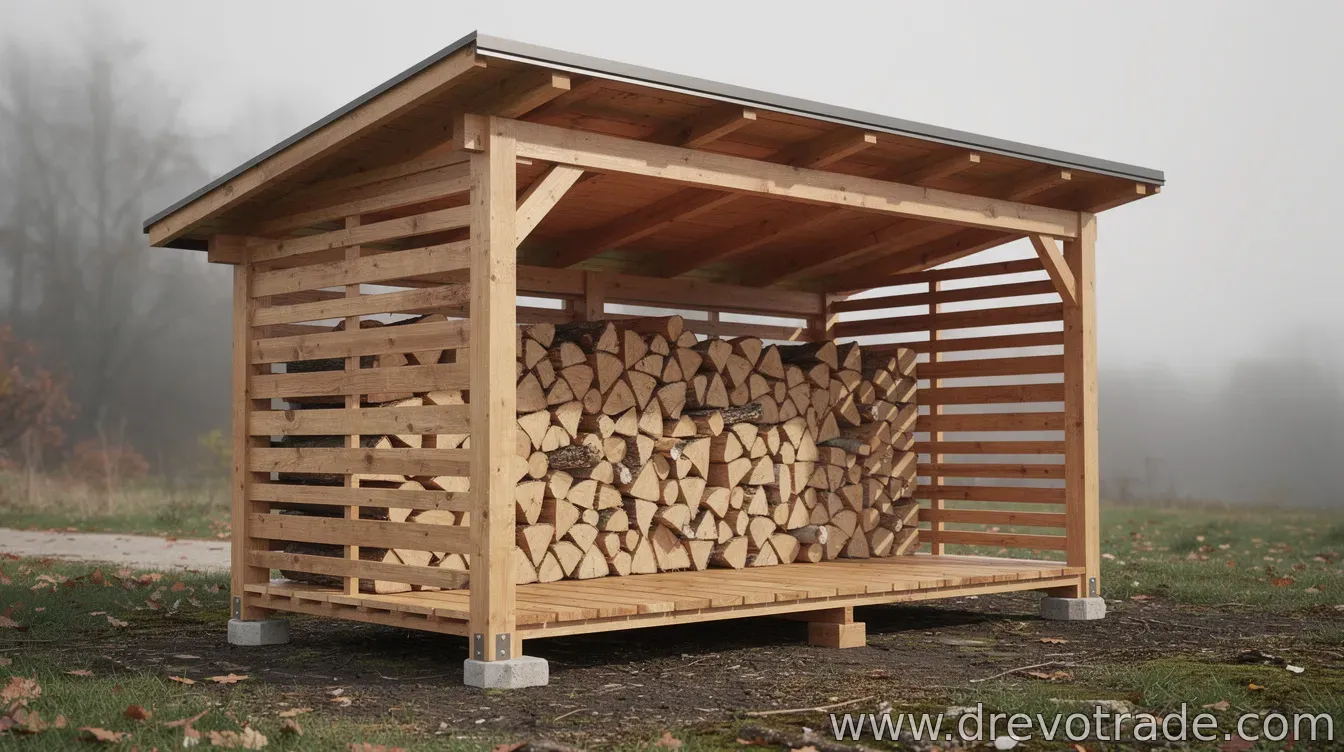 Building a firewood shed sounds simple—until you end up with damp, hard-to-burn logs or wood that molds because moisture can’t escape. The “perfect” shed is less about fancy design and more about three fundamentals: getting the size right, creating effective ventilation, and placing it where wind and drainage do the work for you. Choose the right shed size for your firewood needsThe best size depends on how much wood you buy, how long you want it staged, and whether you keep multiple batches. A common approach is to design for at least one full season of storage, plus space for stacking new wood while it seasons. In practical terms, you should estimate cubic space by the number of cords you expect to store. Keep in mind that airflow matters as much as square footage: cramped sheds with tight stacks trap moisture. Leave enough room between stacks and maintain a clear path for loading and airflow along the sides and front. Design ventilation that dries—not just coversVentilation is the difference between “stored” and “seasoned.” Firewood sheds typically perform best when they allow air to move across the stacked wood while still shielding logs from direct rain and heavy snow. Key ventilation principles include:
If your shed has mostly solid walls, consider adding vents or leaving a breathable design at least on one side and ideally on two opposing sides for crossflow. Placement: drainage, wind, and roof runoff matterEven the best shed will struggle in the wrong spot. Placement should prioritize drainage and wind movement while minimizing exposure to prevailing storms. Look for a location with good natural runoff—avoid low areas where water collects. If you must build near a slope, orient the shed so roof runoff drains away from the woodpile. Also pay attention to prevailing winds: positioning vent openings toward the wind can significantly improve drying. Elevate the storage area or install a base that stays dry. Gravel, treated skids, or a raised platform helps reduce moisture transfer from soil to logs. The goal is to keep wood dry at the bottom first, because wet bases can lead to persistent dampness even if the roof is protective. Practical build considerations that affect performanceBeyond size and ventilation, a few build choices influence drying speed and ease of use. Use materials that don’t trap moisture against the wood. Ensure the roof is weather-tight and covers the stacks fully, including the outer edges where rain often lands. Where possible, keep the front or side access clear so you can stack wood with consistent spacing and remove logs without compressing the pile. Finally, consider whether you want separate zones inside the shed. Many people prefer one area for “seasoning” and another for “ready-to-burn” wood. Even simple internal partitions can help maintain organized airflow and reduce mixing of newly stacked and fully dry logs. A truly effective firewood shed is a dry-air system, not a storage box. By selecting an appropriate size, planning for cross-ventilation, and placing the shed where drainage and wind support drying, you can reduce mold risk and improve burn quality season after season. |
|
|
Related materials:

| Total comments: 0 | |