We produce and sell Pini Kay fuel briquettes. We also offer oak firewood!
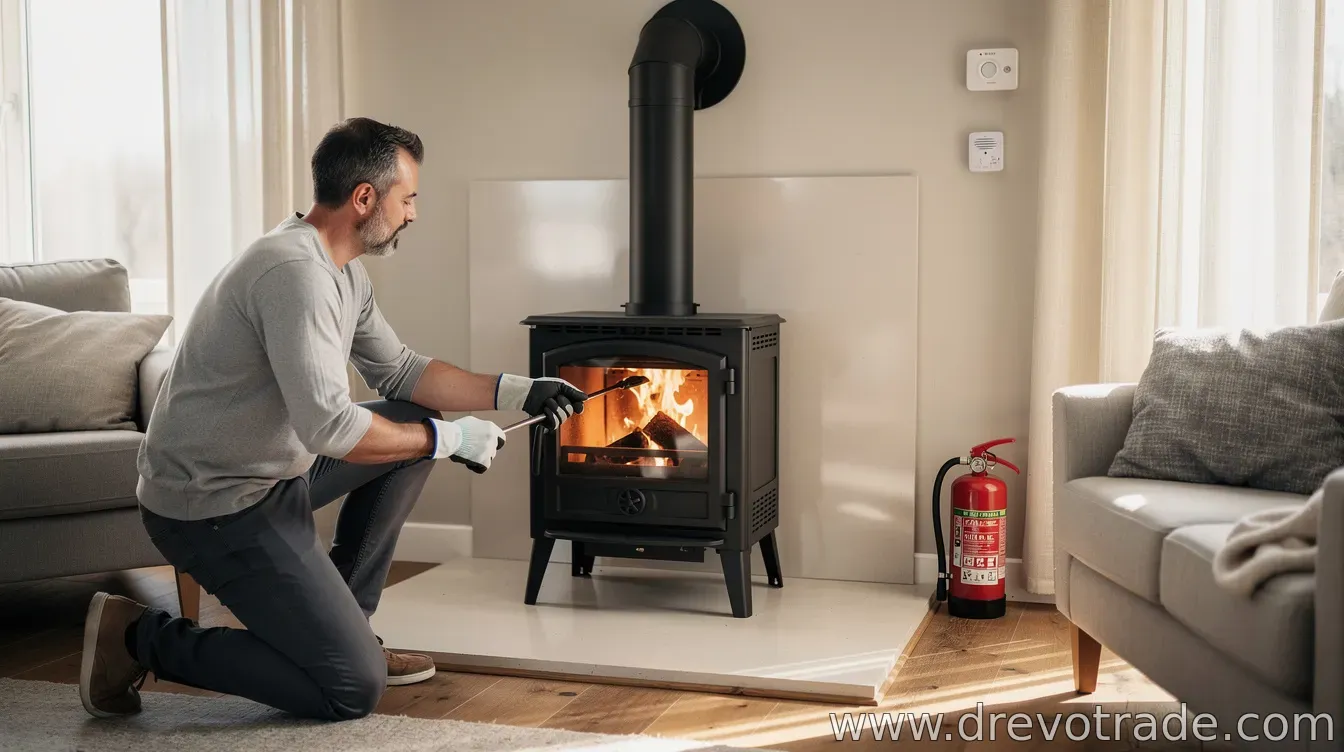
 Wood heating offers reliable warmth, but it also comes with clear fire risks. Most incidents are preventable with good installation, regular maintenance, and careful day-to-day habits around the stove, fireplace, and chimney. Start with the basics: have your wood-burning appliance and flue installed by a qualified professional, and confirm clearances to walls, floors, and nearby combustibles meet local building and fire codes. Using a stove that’s not properly vented—or placing it too close to wood, rugs, or drywall—can turn a small problem into a fast-spreading fire. Keep the area around your stove “fuel-free.” Store firewood outdoors or in a non-combustible space, and avoid stacking logs, kindling, or paper near the firebox. Use a non-combustible hearth or mat where required, and ensure furniture, curtains, and décor stay well away from the unit. Maintain the chimney and ventilationChimney and flue maintenance is one ... Read more » |
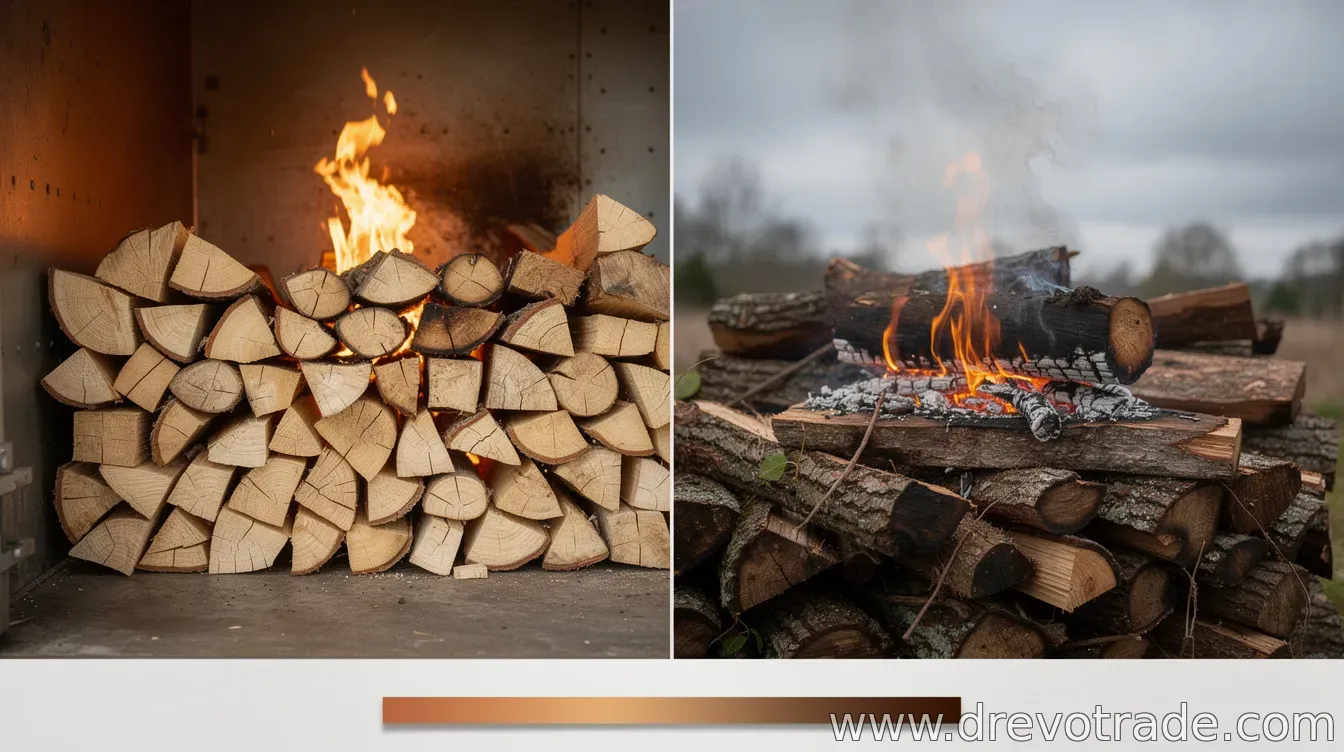
 Choosing between kiln-dried and air-dried firewood often comes down to moisture content, burn efficiency, and convenience. Both can be effective, but they behave differently once they’re in your stove or fireplace—especially during the heating season when you want reliable, low-smoke performance. What “dry” really means: moisture contentWood is considered ready for burning when its moisture content is low enough to burn cleanly. Kiln drying uses controlled heat to drive moisture out quickly and consistently. Air drying relies on time, airflow, and weather to evaporate moisture naturally, so results can vary widely depending on how the wood is stacked and sheltered. In practice, kiln-dried logs are more likely to reach a target moisture range with less guesswork. Air-dried wood can also reach that range, but it may require longer seasoning and good handling to avoid pockets of wetter material. Burn quality: heat, smoke, and ... Read more » |
 Firewood is a staple heating fuel for many households, but its price can swing month to month and region to region. In many markets, the biggest drivers are not just the cost of trees, but the full chain—from logging and processing to storage, delivery, and competing fuel sources. Weather and the seasonal demand cycleDemand for firewood tends to rise when cold snaps arrive early or last longer than expected. That can tighten supplies for sellers who planned inventory levels based on typical seasonal temperatures. Conversely, mild winters can reduce urgency among buyers, leaving stock available and pushing prices downward as suppliers try to move wood before demand fades. Supply constraints: harvesting, labor, and processingWhen logging operations face delays—whether from permitting issues, equipment downtime, labor shortages, or rough ground conditions—freshly cut wood becomes harder to source on time. Even when trees are avail ... Read more » |

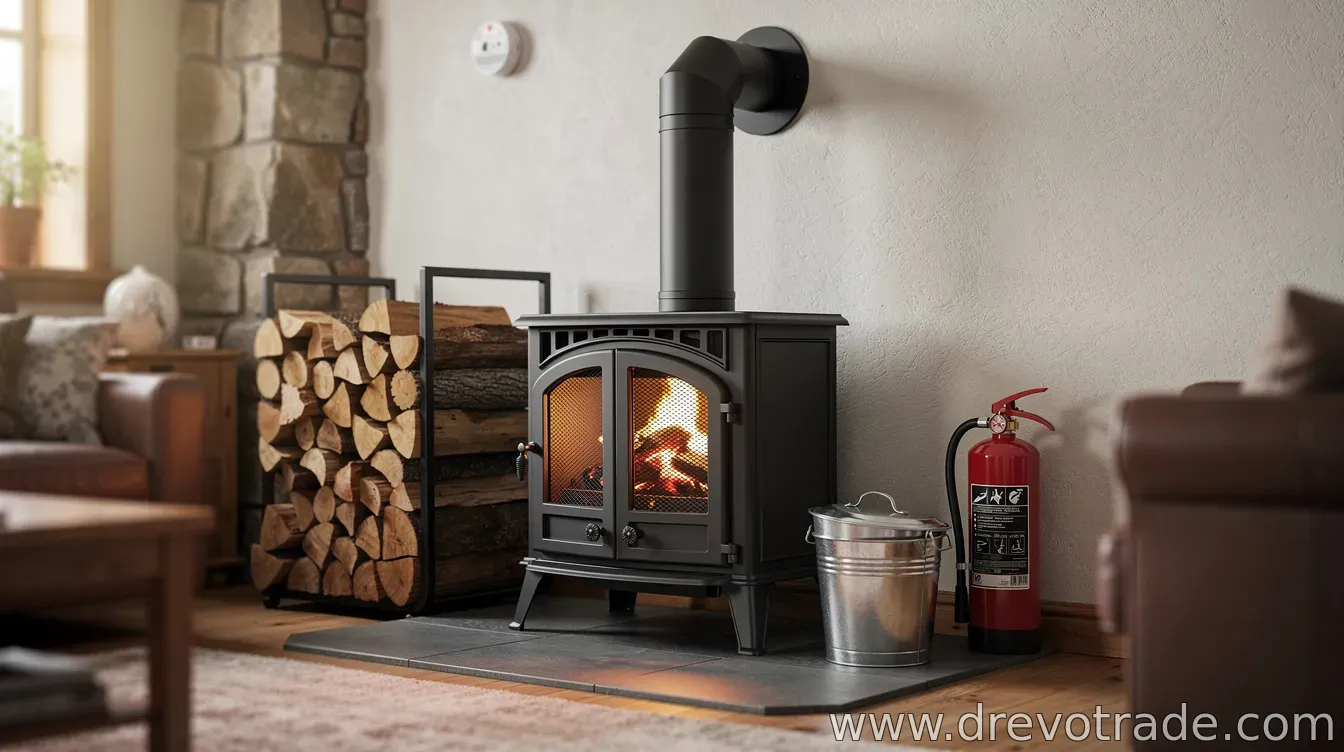
 Wood-burning stoves can be cozy and cost-effective, but safe starts depend on preparation, correct fuel, and careful attention to airflow. For beginners, the goal is simple: build a controlled, small fire that grows steadily—without smoke backdrafts or overheating. Before you light: safety checks and setupStart with the basics: make sure the stove is installed and maintained according to the manufacturer’s instructions and local regulations. Confirm the door seals, chimney/damper, and ash pan are in proper working condition, and clear any combustibles from nearby surfaces. Have a working fire extinguisher rated for household use and a carbon monoxide (CO) alarm in the home. Check ventilation needs before lighting. If you have an air intake (for homes with tight construction), ensure it’s unobstructed. Never start the stove with the primary air controls set incorrectly for your model—follow the stove manual ... Read more » |