11:42 RUF vs Pini Key briquettes: shape, density, burn time | |
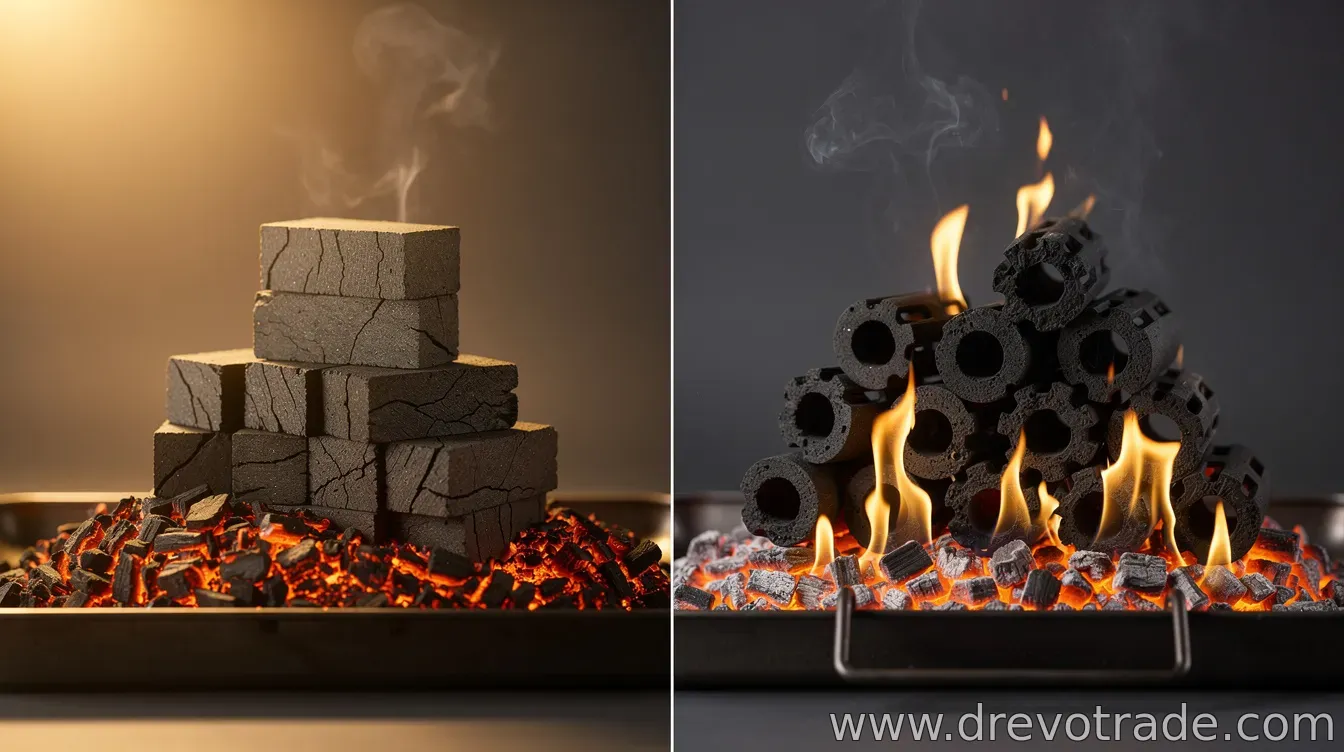 Choosing between RUF briquettes and Pini Key briquettes usually comes down to how you want them to behave in your stove or fireplace. While both are made from compressed biomass (commonly sawdust or wood waste), their manufacturing differences affect shape, density, ignition characteristics, and burn duration. RUF briquettes are typically rectangular or block-like, produced by pressing material through a flat die. Pini Key briquettes, in contrast, are usually multi-sided and extruded (often described as star-like or polygonal), formed by a die that creates a tighter outer shell. Shape and structureRUF briquettes’ uniform block shape is designed for straightforward stacking and stable handling. Their cross-section is flat and consistent, which can make them easy to arrange in batch-fed stoves. Pini Key briquettes’ extruded, polygonal shape increases surface detail and—more importantly—promotes a distinct outer structure. Many producers describe Pini Key as having a more “sealed” or hardened exterior compared with standard block briquettes, which can influence how the briquette resists heat exposure and airflow during burning. Density: why compression mattersIn practice, the most meaningful performance indicator is often bulk density (and closely related energy content). Higher density generally means more fuel packed into the same volume, which can translate into steadier heat output over time. Because Pini Key briquettes are typically extruded under conditions that emphasize a dense outer layer, they may show higher effective density in real-world burning—especially under conditions with strong airflow. RUF briquettes can also be dense, but their geometry and pressing method may not always create the same “shell” effect. That said, density varies by manufacturer, and two briquettes of the same brand can differ across production runs. For best results, compare the supplier’s published specs such as bulk density, ash content, and moisture, rather than relying solely on shape. Burn time and heat stabilityBurn time is influenced by density, moisture content, binder/carbonization approach, and how your appliance manages air. In general, higher density briquettes tend to last longer per unit mass because they have more material to consume while remaining structurally intact under heat. Many users report that Pini Key briquettes can offer a more controlled, longer-lasting burn, particularly in setups where airflow or draft is variable. The hardened, outer structure may slow down fuel breakdown at the surface, helping the briquette maintain a more consistent burn profile. RUF briquettes can burn just as effectively in many stoves, especially when you regulate primary and secondary air properly. Their block form can also support stable placement, which helps maintain steady combustion if your stove is designed for that fuel layout. What to look for before buyingSince specs matter more than labels, compare these factors across both RUF and Pini Key options:
If you have a stove with strong draft or you want consistent long burns, Pini Key is often worth considering. If you prioritize easy stacking, straightforward loading, and reliable performance from a reputable supplier, RUF is typically a strong choice. Ultimately, the “better” briquette is the one that matches your appliance and conditions. When available, use the manufacturer’s technical sheet and (if possible) test a small batch to confirm ignition speed and burn duration in your specific setup. | |
|
| |
Related materials:
![]()
| Total comments: 0 | |