11:45 Heating a Greenhouse With Firewood or Briquettes: Practicality | |
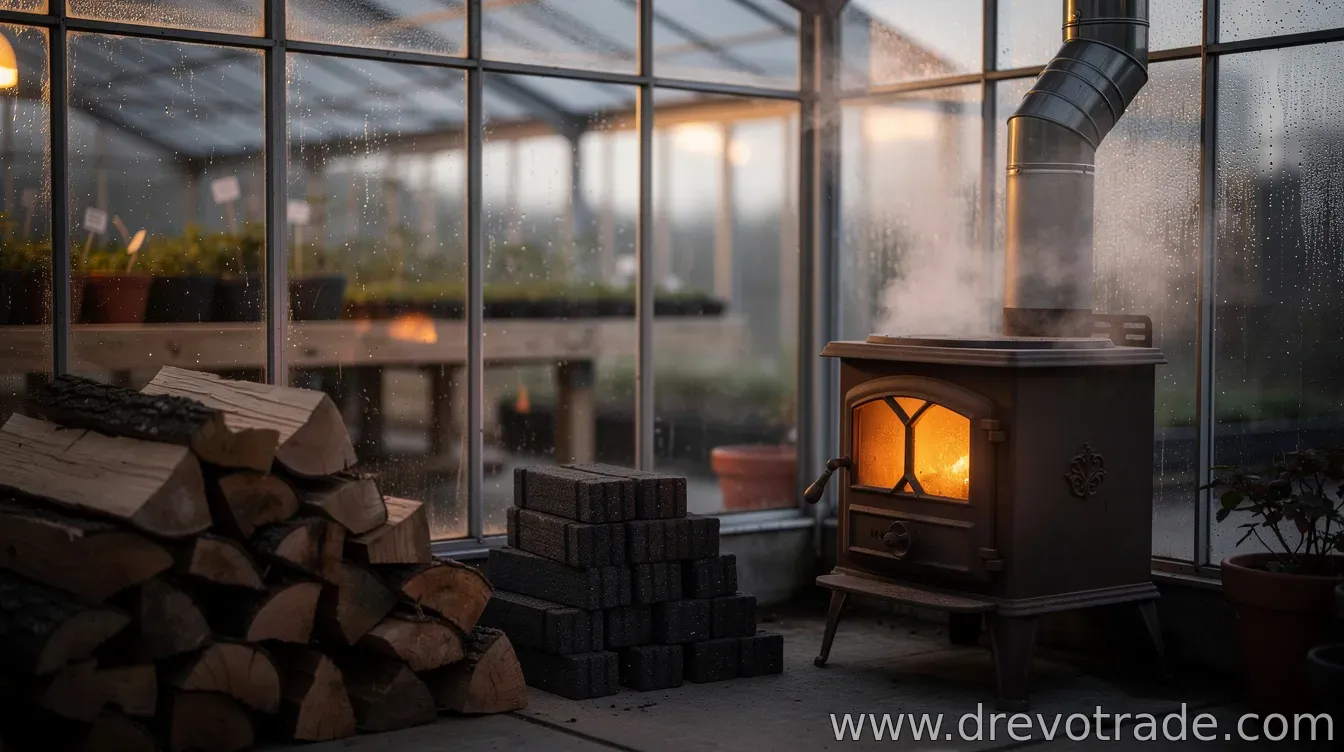 Heating a greenhouse with firewood or briquettes is possible, but it’s rarely a “set it and forget it” solution. Whether it’s practical comes down to how much heat your greenhouse actually loses, what temperatures you’re trying to maintain, and how much work (and storage space) you’re willing to handle. In general, wood-based fuels can work best when the greenhouse is well insulated (double-layer glazing, tight seals, and thermal curtains at night). Without that, fuel burn will rise sharply, making costs—and smoke-control issues—harder to justify. What determines practicalityThe biggest drivers are heat demand and distribution. Greenhouses lose heat through glazing, ventilation leaks, and the ground. So even if you have a good stove, an uninsulated structure can drain fuel quickly. The second issue is delivering heat evenly: placing a heater in one corner may create hot and cold zones unless you use circulation fans. Insulation measures often change the economics more than the choice of fuel. Thermal screens can reduce night losses significantly, while improved sealing reduces drafts that continually pull warm air out of the structure. Firewood vs. briquettes: key differencesFirewood is typically widely available and can be cheaper when you have access to seasoned logs. However, it requires significant labor: splitting, drying (ideally), loading more frequently, and managing ash. Moisture content matters—wet wood burns inefficiently and creates more smoke and soot. Briquettes are usually more uniform in size and moisture content, which can improve combustion consistency and reduce handling. They often require fewer refills than typical logs, and many growers find them easier for steady heat. That said, briquettes can be more expensive depending on local supply. From a practicality standpoint, briquettes often win on convenience and predictable burn, while firewood can win on cost if fuel is readily available and dry. Burn time, heat output, and controlGreenhouse heating often needs temperature control rather than continuous high heat. Many wood stoves are best used with a fire that produces sustained heat output, while greenhouse needs can be variable (cold snaps, sunny daytime swings, and nighttime targets). If your system can’t modulate well, you may risk overheating during the day or underheating at night. Even with a reliable stove, consider how you’ll bridge long overnight periods. Briquettes may help because they can burn more consistently, but “overnight hold” depends on stove design, fuel quality, and how well you insulate the greenhouse. Smoke, safety, and ventilationAny solid-fuel approach requires attention to safety and compliance. Burning wood produces particulates and carbon monoxide, which means you need proper flue routing, safe clearances, and working carbon monoxide alarms where appropriate. Ventilation also matters: a greenhouse can trap smoke if exhaust is poorly managed. Equally important is condensation management. If you reduce ventilation too much to keep heat in, humidity can rise and increase disease pressure on plants. A workable strategy balances heat retention with controlled air exchange. So, is it practical?For small-to-medium greenhouses with good insulation and clear temperature targets, heating with briquettes can be practical—especially when you value predictable fuel and lower labor. Firewood can be practical when you have access to dry, low-cost logs and are prepared for frequent tending. For large greenhouses or growers seeking minimal labor, solid fuel can become less practical quickly due to storage space, refill frequency, ash disposal, and the operational challenge of maintaining steady temperatures. In those cases, the question becomes less “can it heat?” and more “can you operate it reliably and safely at your required scale?” If you’re deciding today, start with a simple heat-loss estimate (even a rough one) and compare your likely fuel cost per day to alternatives like gas, heat pumps, or shared boiler systems. Then validate the practical side: fuel availability, moisture quality, stove compatibility, and your ability to manage ventilation and safety. | |
|
| |
Related materials:
![]()
![]()
![]()
| Total comments: 0 | |