11:48 Why briquettes travel better than logs for camping | |
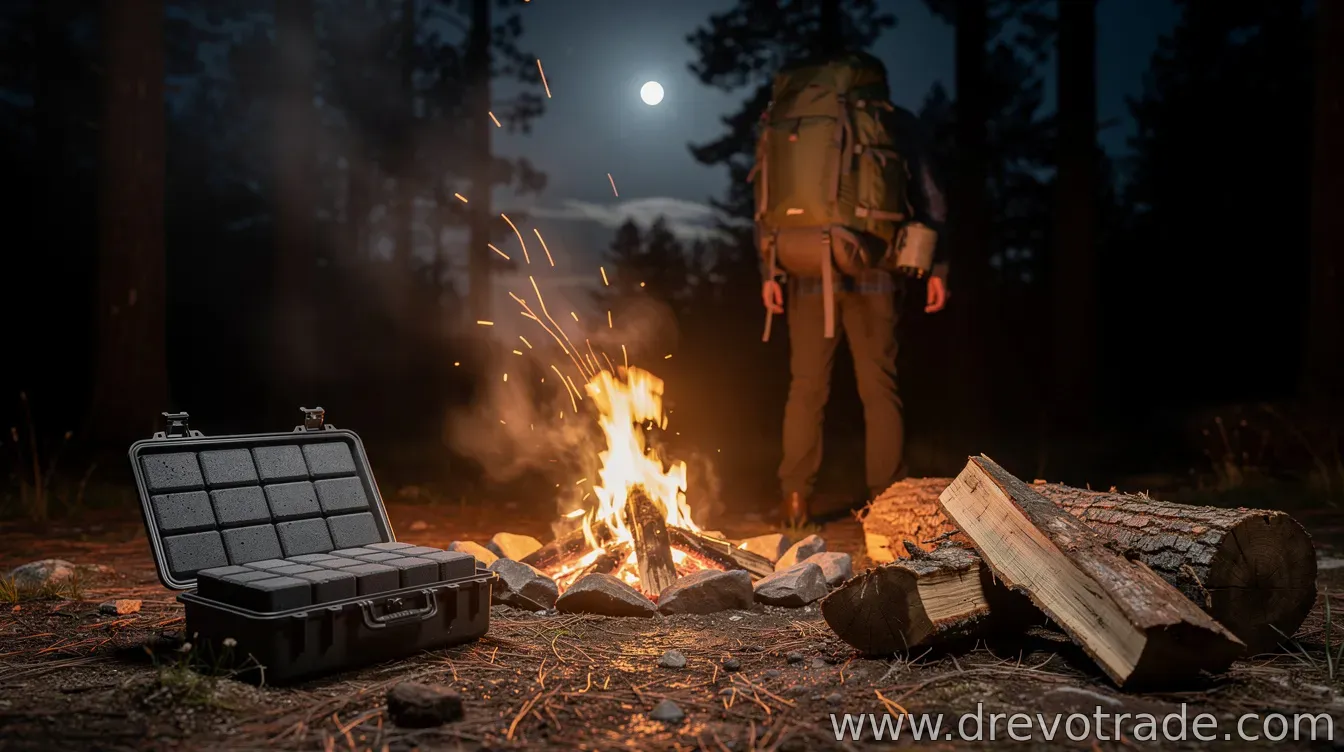 Choosing fuel for a camping trip is more than a preference—it’s logistics. When you’re hiking in, keeping the campsite tidy, or simply trying to avoid soggy fires, briquettes can be a smarter fit than traditional logs. Here’s why briquettes tend to travel better than logs, and what that means for your next outdoor fire. 1) More consistent size and weight per “useable heat”Many briquettes are manufactured to uniform dimensions, so you can estimate how much fuel you’ll need more accurately. With logs, fuel quality and thickness vary widely, which can lead to uneven burning and unpredictable heat output—especially with mixed or partially seasoned wood. 2) Better travel efficiency and easier packingBriquettes are typically denser and can be packed more compactly in a bag or vehicle, with less wasted space. Logs often require bulkier packing, and awkward shapes make it harder to stack or secure them—particularly on hikes, where every extra volume matters. 3) Lower moisture and steadier ignitionOne of the biggest practical differences between fuel types is moisture. Briquettes are generally produced with controlled moisture levels, improving ignition reliability and reducing the risk of smoky, slow-start fires. Logs—especially if they’re not fully seasoned—can struggle to ignite and may produce more smoke while they dry out in the fire. 4) A longer, more predictable burnCampfire planning often comes down to timing: lighting, cooking windows, and how long you need the fire to stay usable. Briquettes are designed to burn more steadily and consistently, which can help campers maintain a fire without constantly adding more material. For cooking and warmth, that predictability is valuable. Instead of chasing the flame with frequent log additions, you can usually manage the heat with fewer adjustments. What to consider before you switch Even if briquettes travel well, campsite rules and safety practices still matter. Check local regulations, use only permitted fuel types, and follow fire bans. Also, keep fuel dry and stored away from ignition sources. Finally, consider your destination and fire setup. For established fire rings or grills, briquettes can be especially convenient. If you’re relying on windbreaks or smaller fire sizes, their consistent burn behavior can make it easier to maintain a clean, controllable flame. Bottom line: when convenience, packing efficiency, and ignition reliability are priorities, briquettes usually offer an advantage over logs—turning “fuel management” into a simpler part of the camping routine. | |
|
| |
| Total comments: 0 | |