16:03 Bulk Firewood Supply for Restaurants and Cafes: What to Consider | |
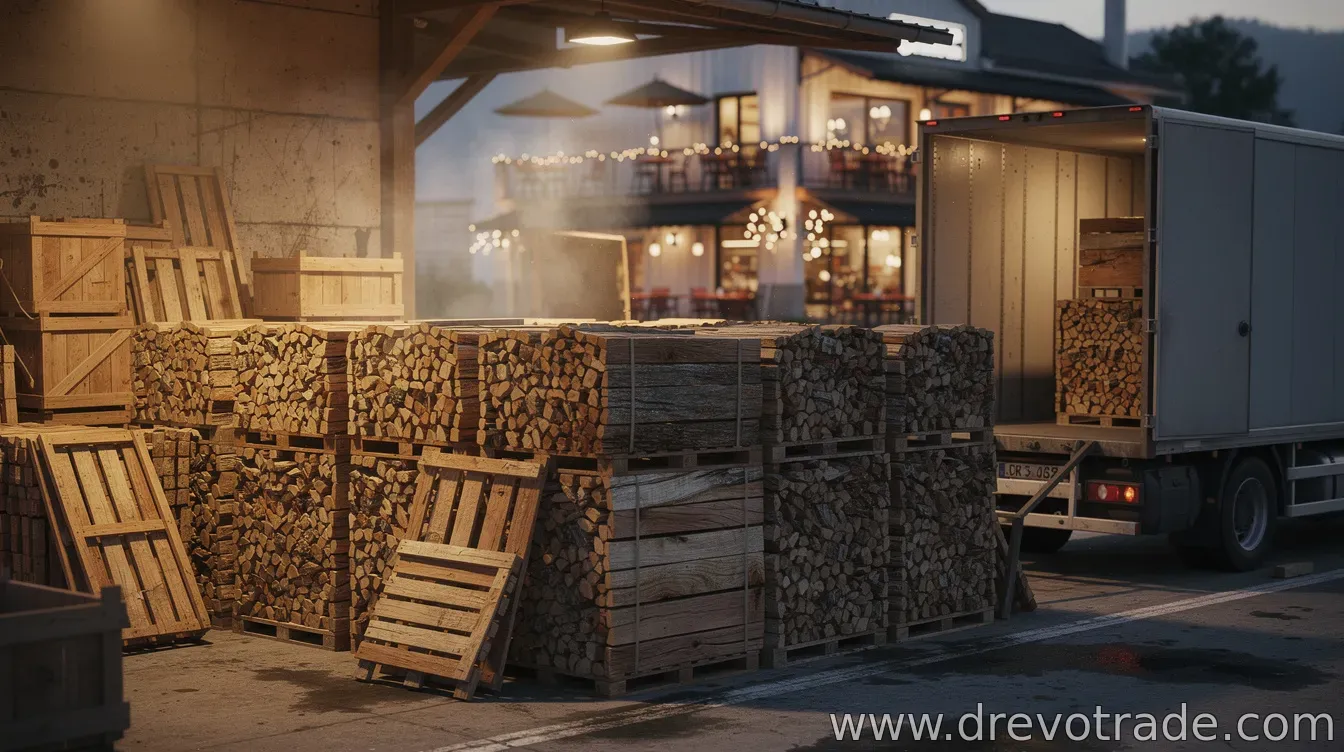 Restaurants and cafes that rely on wood-burning stoves, open hearths, or patio heaters face a recurring challenge: securing reliable bulk firewood supply without compromising burn performance, safety, or day-to-day operations. The right sourcing strategy can reduce downtime, stabilize fuel use, and improve customer experience. 1) Start with the “burn quality” requirementsBefore negotiating volume pricing, confirm the wood’s intended use and target burn quality. For consistent flames and heat output, moisture content is a major factor—seasoned, properly dried wood generally burns more efficiently and produces less smoke and creosote than poorly dried alternatives. Ask suppliers about drying time, packaging standards, and how they measure moisture, and request documentation when possible. Also consider fuel format. Split logs, bundled sticks, or kiln-dried options may align differently with cooking applications versus outdoor heaters. Establish internal expectations for flame consistency, heat duration, and cleanup effort, then match the wood type to those needs. 2) Plan storage, handling, and shelf-life on-siteBulk delivery only helps if you can store and manage the wood correctly. Evaluate your storage space for weather protection, airflow, and safe clearances from ignition sources. Covered stacks and raised bases help reduce re-absorption of moisture, while good airflow supports further drying and prevents moldy or excessively damp wood. Operationally, decide whether staff will handle logs manually, use carts, or rely on receiving staff for staged inventory. This influences packaging choices (e.g., bagged bundles versus loose bulk), delivery frequency, and total labor cost. 3) Get delivery timing and logistics rightRestaurants and cafes typically need predictable service, not last-minute emergency deliveries. Bulk supply planning should include delivery lead times, minimum order quantities, and how the supplier handles weather disruptions. If demand spikes—weekends, events, or seasonal transitions—build a buffer inventory strategy so service stays uninterrupted. Clarify whether deliveries are scheduled by weight, volume, or pallet/log count, and confirm how overages or shortfalls are resolved. For sites with limited receiving access, request practical details such as vehicle type, unloading method, and whether the supplier can accommodate staggered drop-offs. 4) Review total cost: fuel efficiency plus compliancePrice per cord or per bulk unit is only part of the story. Compare options using the likely burn efficiency—wood that heats more effectively per usable unit can lower effective cost even if the upfront price is higher. Track real-world consumption once you trial a new supplier, and measure outcomes like burn duration, frequency of refueling, and maintenance workload. For compliance, confirm that the firewood source meets local regulations and that the supplier can provide relevant information for inspections. Depending on location, rules may cover moisture standards, pest/fire risk controls, labeling, or restrictions tied to invasive species prevention. 5) Run a trial before locking in a long-term dealA short trial reduces the risk of inconsistent performance. Test multiple loads from the supplier using your actual stove/heater setup and operating conditions. Evaluate flame behavior, smoke levels, ignition reliability, and cleanup, then compare results against historical consumption. Once you’ve validated performance, use the trial as a negotiation lever: tighten delivery schedules, specify moisture expectations, and define quality acceptance criteria. Put these terms in writing so expectations are measurable. Practical checklist for bulk ordering
For restaurants and cafes, consistent firewood supply is ultimately about consistency of service. By prioritizing burn quality, storage readiness, and logistics—while also tracking total cost and compliance—operators can build a reliable fuel strategy that supports both comfort and operational stability. | |
|
| |
Related materials:
![]()
![]()
| Total comments: 0 | |