14:53 Signs of Low-Quality Firewood: What to Avoid | |
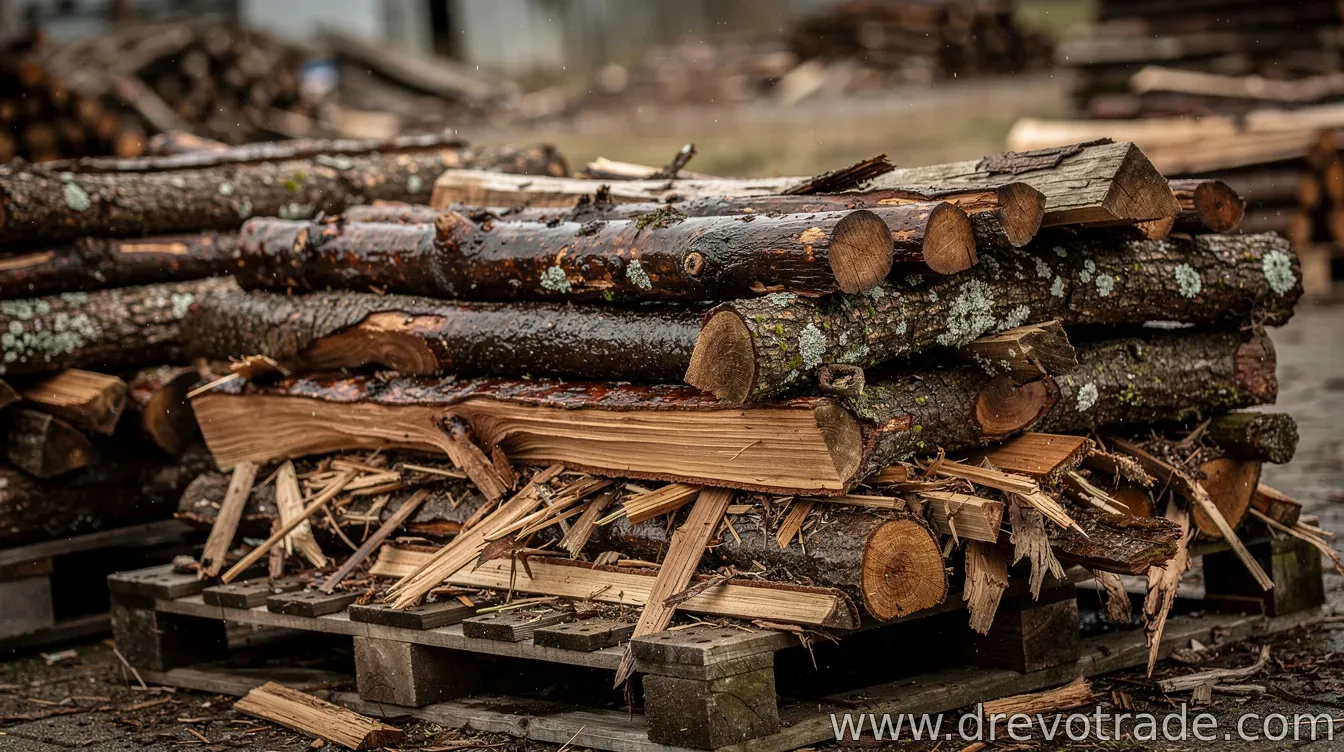 Good firewood burns steadily, produces strong heat, and creates manageable ash. Low-quality firewood often means excess moisture, rot, pests, or inconsistent drying—leading to more smoke, faster creosote buildup, and a shorter burn time. Here are the main warning signs to watch for when buying firewood, plus what they usually indicate. 1) Wood that feels heavy for its sizeOne of the most common indicators of poor firewood is unexpected weight. Freshly cut logs can weigh far more because they still contain significant moisture. If the wood seems unusually heavy compared with its size, it may not be properly seasoned. Wet wood typically struggles to ignite, burns less efficiently, and produces more smoke—especially in older stoves or fireplaces without strong draft. 2) Green or dark coloration with “wet” barkWhile color alone isn’t a perfect test, wood that looks greenish, overly dark, or shows bark that appears damp or recently handled can be a red flag. Seasoned wood usually looks dry and weathered, with bark that’s not slick or freshly wet. If you notice visible moisture on the ends or the logs give off a “fresh cut” feel, avoid it or ask for proof of seasoning time. 3) Cracks on the outside—but not on the endsDrying causes the ends of logs to crack first. Logs that show heavy cracking only along the outer surfaces, or that have smooth, uncracked ends, may not be seasoned thoroughly. Look closely at the cut ends: deep checking (cracks) is a better sign that the interior has had time to dry. 4) Mold, musty odor, or visible rotMoldy, musty, or visibly rotted firewood is a quality problem. Mold can appear when wood stays damp for extended periods, and rot can weaken the logs and reduce burn quality. Even if it’s technically combustible, compromised wood may burn unevenly and produce more unpleasant smoke. 5) Bugs, webbing, or sawdust from “active” damageInsects are not always a deal-breaker, but active infestations are. Watch for exit holes, fresh-looking sawdust piles, live movement, or fine webbing around or within the logs. Small amounts of insect presence in stored wood can happen, but large numbers of pests often point to storage conditions that kept the wood damp—raising other quality concerns. 6) Too much debris, bark-only chunks, or mixed “refuse” loadsSome sellers stretch profits by mixing in smaller pieces, bark, or low-density offcuts. Bark and debris can burn fast and contribute to ash and soot without delivering strong, sustained heat. If the load looks like a patchwork of chips, thin fragments, and bark-heavy pieces rather than consistent split logs, it may not deliver good value. 7) Inconsistent size and uneven splittingFirewood should be reasonably consistent for your burning setup. Loads that are heavily mixed—some oversized, some too small—often cause uneven ignition and an inefficient burn. Inconsistent splitting can also hint the wood wasn’t processed with quality control, increasing the chance you’ll get more wet or damaged pieces mixed in. 8) No information on seasoning or storage practicesBeware “trust me” selling. Reputable firewood sellers can describe how long the wood was seasoned, how it was stored (ideally under cover with airflow), and what species or moisture range customers can expect. If you can’t get clear answers—or the seller avoids questions about dryness and storage—it’s a sign to pass. Quick checklist before you buy
Good firewood isn’t just about where it comes from—it’s about how it was processed, dried, and stored. If you spot multiple warning signs, you’ll usually save money in the long run by choosing a drier, cleaner, better-prepared load that burns hotter and more predictably. | |
|
| |
Related materials:
![]()
![]()
![]()
| Total comments: 0 | |