14:54 Firewood Moisture: Why It Matters More Than Species | |
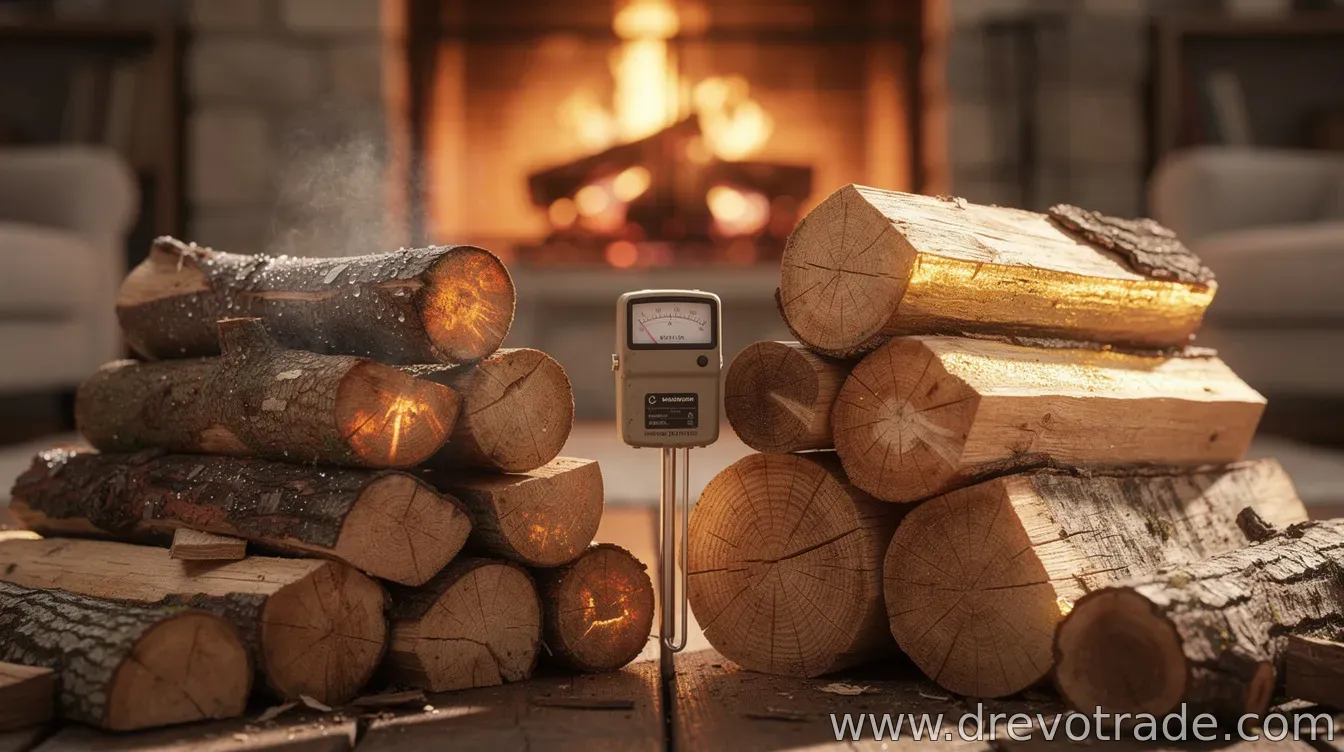 When choosing firewood, most people focus on the tree species—oak, maple, pine—but the real driver of performance is usually moisture content. Whether the wood is ready to burn determines how efficiently it releases energy, how cleanly it burns, and how much smoke and creosote build up in your chimney or stove. Wood with high moisture has to first spend energy boiling off water before the fuel can burn properly. That delays ignition, lowers heat output, and can make fires feel “weak” even when the firebox is full. Why water in wood steals heatAs firewood heats up, the water inside the wood must evaporate. Until that process finishes, less heat goes into combustion. The result is a slower, cooler burn and more effort required to maintain temperature—especially during colder start-ups or when burning on a low setting. Moisture also affects flame quality and draft. Wetter wood tends to smolder, producing more visible smoke and reducing the strong upward airflow that helps combustion. In practical terms, you may end up using more wood to achieve the same warmth. What “good moisture” looks likeMost stove and fireplace guidance targets firewood dried to roughly 15–20% moisture content (measured with a moisture meter). Below that range, wood typically ignites more easily and sustains a hotter, cleaner burn. Above it, performance drops noticeably—particularly for indoor heating where consistent combustion matters. Even if a log feels dry on the outside, the internal moisture can remain high. That’s why seasoned firewood is usually stacked to allow airflow on all sides and stored under cover in a way that prevents rain exposure while keeping ventilation strong. Species matters—but often after moistureDifferent species vary in density and energy content, which can influence how long logs burn and the maximum heat they can deliver. However, if wood is still wet, those advantages can be overshadowed. A wetter hardwood can perform worse than a drier softwood because moisture is the immediate barrier to efficient burning. Once moisture is controlled, then species becomes more meaningful: denser woods often provide longer, steadier heat, while lighter woods may ignite a bit faster. But in real-world use, getting the dryness right is the first step toward predictable results. Cleaner burning means less maintenanceHigher moisture contributes to incomplete combustion, which increases soot and creosote formation in chimneys. Creosote is a common factor behind chimney fires, and it also drives more frequent cleaning needs. Drier firewood generally burns hotter and more completely, reducing the buildup that can accumulate over a season. For many homeowners, this is the hidden cost of wet wood: higher fuel consumption, more smoke complaints, and more maintenance. In contrast, properly seasoned wood can make a noticeable difference in both indoor air quality and chimney safety. How to tell if your wood is readyDon’t rely solely on appearance. Check storage conditions, then confirm with a moisture meter if possible. Some quick signs—like bark that’s loosening, lighter weight compared with recently cut logs, and cracks at log ends—can help, but they’re not as reliable as a measurement. If you need a practical rule of thumb, plan to season firewood for months with good airflow. Covering the top is useful to prevent direct rain exposure, while leaving sides ventilated helps moisture escape. For the best burn, prioritize moisture content first, then choose species based on how you want the fire to behave—steady heat, longer burn times, or faster ignition. In nearly every case, dry wood will give you better performance than “perfect species” that isn’t actually ready. | |
|
| |
Related materials:
![]()
![]()
![]()
| Total comments: 0 | |