16:02 Using Briquettes for a Banya Sauna: What Works Best |
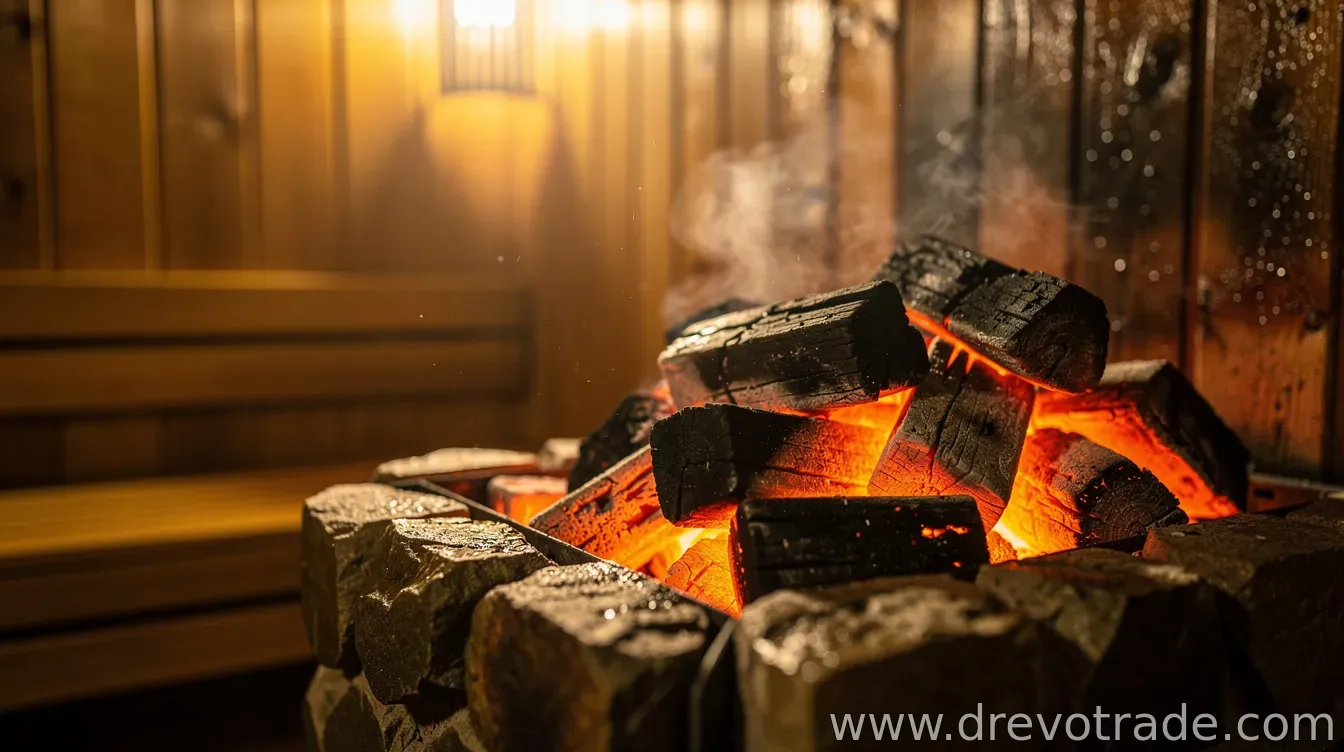 Briquettes are a popular choice for banya (sauna) heating because they can produce consistent heat with a predictable burn rate. When chosen and used correctly, they help you maintain stable temperatures—an important factor for комфортный пар and efficient warming of stones and heater spaces. Key takeaway: the “best” briquette depends on your sauna heater design and how your system manages airflow. Still, a few fuel and operating choices consistently make briquette heating safer, cleaner, and more effective. 1) Choose the right briquette type for sauna heatersNot all briquettes perform the same in high-temperature, enclosed heater environments. In general, you’ll get the most reliable results from briquettes made from uniform, low-ash biomass or compressed hardwood. Look for products labeled as suitable for fireplace/stove use and pay close attention to ash content. For banya use, low-ash briquettes tend to keep the heater cleaner and reduce maintenance. Higher-ash fuels may require more frequent cleaning and can create more residue in the stove throat or on the firebed. 2) Prioritize burn stability and airflow controlBriquettes are compressed fuel, so their performance strongly depends on oxygen supply. If your heater has adjustable air inlets, use them to balance temperature: too little airflow can slow combustion and increase smoke; too much can shorten burn time and make the heater overshoot. A good operating goal is a steady, visible burn and minimal heavy smoke. If you’re seeing dark, persistent smoke, that usually indicates insufficient draft, poor ignition, or overly tight packing. 3) Use safe loading and ignition practicesWhere briquettes shine is repeatability—so loading them consistently matters. Avoid filling the heater too densely. Briquettes need space for airflow to work effectively and to prevent smoldering. Many users find that a smaller number of briquettes loaded in a way that maintains air channels gives better results than a tight “brick wall” approach. For ignition, use appropriate kindling and/or approved firelighters. Once the briquettes are burning cleanly, gradually stabilize the air settings rather than running wide open from the start. 4) Match briquette burn time to your banya scheduleBanya sessions vary—some are short warm-ups, others require a longer preheat to heat stones and the room evenly. Because briquettes often burn more steadily than many wood pieces, you can plan your fuel amount to avoid both underheating and overheating. As a practical rule, aim to heat the stove and stones to your target temperature, then maintain rather than continuously adding fuel aggressively. Overloading can overheat the heater housing and reduce control over stone temperature and steam quality. Common “what works best” summary:
Finally, because heater designs differ (open stoves, enclosed boilers, stone sizes, chimney draft), treat the first session as a test run. Note how quickly the stove responds, how long the temperature holds, and how much ash builds up. That feedback will help you dial in the “best” briquette type and loading method for your specific banya setup. |
|
|
Related materials:

![]()
![]()
| Total comments: 0 | |