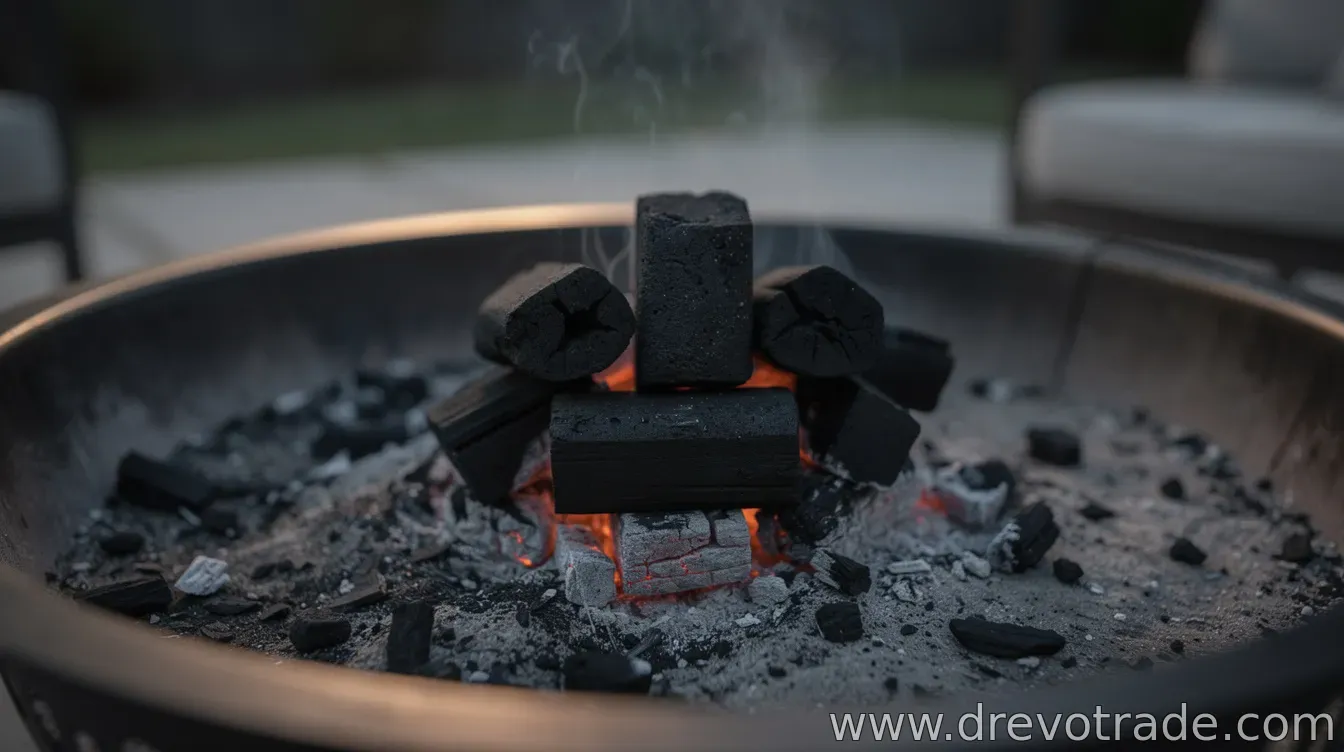
Getting briquettes burning well comes down to fundamentals: ignition, oxygen flow, and how the fire bed is built. Many “it won’t light” frustrations aren’t about briquettes themselves, but about a handful of predictable errors.
1) Starting with briquettes alone
Briquettes are designed to burn steadily once lit, but they’re not always great at catching fire immediately. A frequent mistake is skipping proper kindling or starter. Without small, dry material that ignites quickly, your briquettes may smolder instead of flame.
2) Using damp or poor-quality fuel
Even the best briquettes struggle if surrounding fuel is damp or if ash and old residue smother the initial airflow. Check your briquettes for dryness and make sure any paper, kindling, or fire starters are dry as well.
3) Blocking airflow (too-tight stacking)
A fire needs oxygen. Overpacking briquettes or stacking them too tightly can limit the gaps where air and flame should travel. Leave space for air to circulate—especially near the base where ignition begins.
4) Overloading the fire bed too early
Dumping a full layer of briquettes at the start can choke the ignition zone. Build gradually: ignite a smaller section first, then add more briquettes once the core is established and glowing.
5) Not giving ignition enough time
Rushing is another common pitfall. Briquettes can take longer to transition from flame to sustained heat than some people expect. If the base is heating and turning ashy, wait a bit before adding large quantities.
6) Using the wrong starter approach
Strong, clean fire starters (like dry firelighters or appropriate starter materials) help, while overly oily or chemically saturated materials can cause heavy smoke and unpleasant odors. Aim for starters that ignite quickly and support a steady climb in temperature.
What to do instead (quick checklist)
To improve your odds the next time you light briquettes, focus on the basics: dry materials, space for air, and staged loading. If it’s taking too long to catch, adjust the structure before adding even more fuel.
- Use dry kindling or starter material before adding briquettes
- Leave gaps to maintain oxygen flow near the base
- Start with a smaller amount, then add more after ignition
- Ensure surrounding fuel and the grill/fire pit are ash-free
- Allow time for the fire core to develop before rebuilding
By avoiding these common mistakes, you’ll typically get quicker ignition, better heat consistency, and a cleaner burn—turning briquettes from a “maybe it’ll catch” gamble into a reliable backyard staple. | 