15:58 Briquettes vs Coal: Cost and Efficiency for Home Heating |
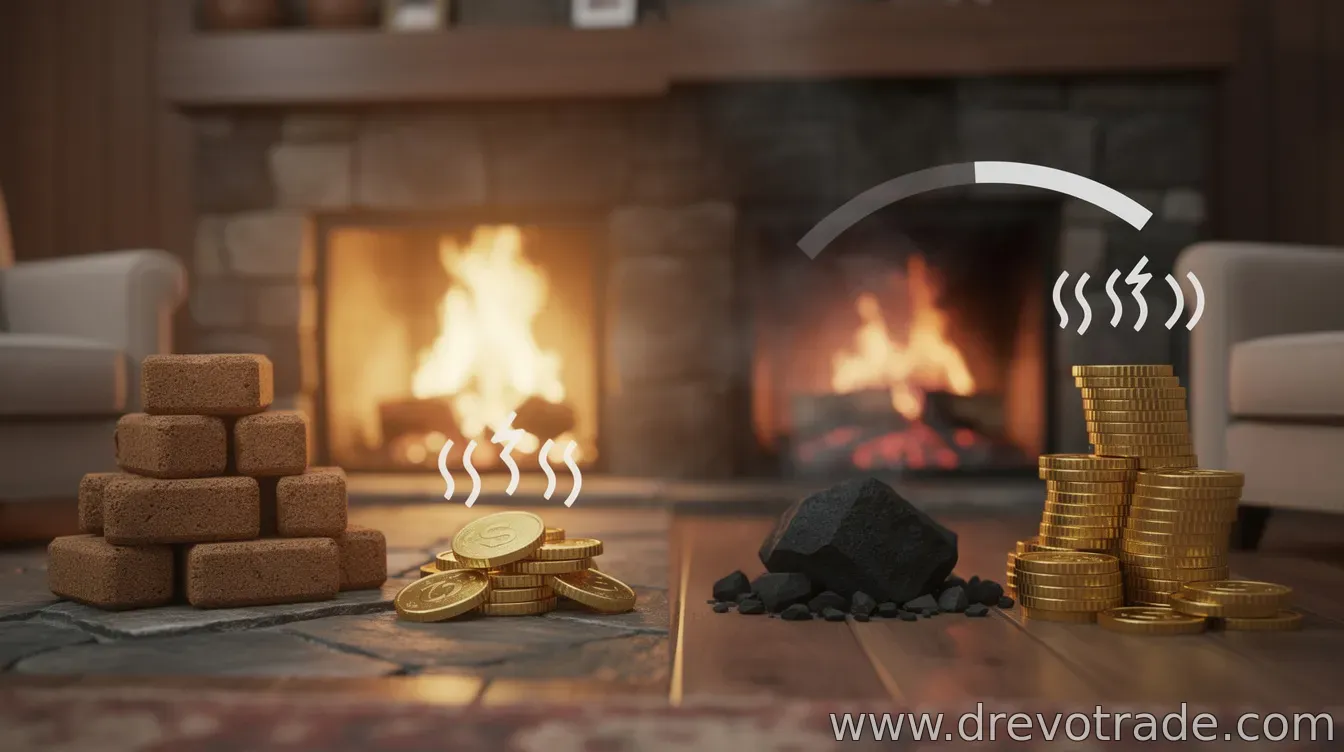 Choosing between briquettes and coal for home heating usually comes down to two questions: what it costs over a full season, and how efficiently the fuel turns into usable heat. While coal has a reputation for being economical, briquettes are increasingly favored for their consistency and reduced mess—factors that can materially change both comfort and total spending. This comparison focuses on practical performance in typical residential setups, such as multi-fuel stoves and boilers where the right fuel specification and local regulations apply. 1) Upfront price vs real seasonal costCoal is often cheaper per unit of fuel at the point of purchase, but household costs are determined by how much of that fuel actually becomes heat in your space. Coal quality can vary by source, moisture content, and grading, which affects how quickly it burns and how completely it combusts. Briquettes are manufactured to be more uniform in size, density, and composition. That standardization can reduce trial-and-error buying and help households estimate costs more reliably—especially if you compare fuels using the same basis (for example, cost per unit of usable energy rather than per bag or per ton). 2) Energy efficiency: steadier heat vs variable burnEfficiency depends on burn characteristics: briquettes generally offer a steadier, longer-lasting burn because they’re compressed into consistent shapes. This can improve heat delivery in systems that benefit from stable combustion, helping you maintain room temperature with fewer interruptions. Coal can deliver strong heat output, but performance is more sensitive to coal type and condition. Higher moisture or lower-quality coal can reduce effective heat, while incomplete combustion can increase smoke and unburned residues—meaning you pay for fuel that doesn’t contribute fully to warmth. For homeowners, the practical takeaway is to compare fuels on net usable heat and how your stove or boiler responds to that fuel’s burn rate. A fuel that burns hotter but less completely can cost more once efficiency is accounted for. 3) Handling, storage, and wasteBriquettes are typically easier to store and handle: they’re uniform, often cleaner, and generate less dust than many coal sources. That matters if you’re transporting fuel indoors, using it in shared spaces, or trying to minimize time spent cleaning ash and mess. Coal storage is also more demanding—especially if you’re dealing with moisture. Damp coal not only reduces efficiency but can increase smoky combustion and make ash handling more unpleasant. If you have limited storage space or want a more predictable routine, briquettes can reduce friction even if their market price is higher. 4) Emissions and compliance considerationsBeyond cost, emissions performance affects both air quality and whether your fuel choice complies with local rules. Briquettes are generally engineered for more consistent combustion, which can translate to cleaner burning when used correctly. Coal can also burn efficiently, but only when quality and operating conditions align with the appliance requirements. Before switching fuels, verify your stove or boiler’s manufacturer guidance and check local regulations for allowed fuel types and seasonal restrictions. 5) Which option is “better” for different households?Briquettes are often the better choice if you want predictable heat, simpler handling, and cleaner day-to-day operation—especially for households that value consistent burns and easy storage. Coal may make sense if you have reliable access to high-quality coal, the right appliance, and good ventilation and operating practices that support complete combustion. In that scenario, the lower sticker price can translate into lower costs—provided you can consistently hit efficient burn conditions. How to compare costs correctlyWhether you’re shopping weekly or locking in a delivery, compare fuels using the same yardstick. Look for information such as calorific value (energy content), moisture level, and typical ash output where available. Then estimate a cost-per-unit-of-energy figure rather than comparing only price per bag or per ton. Also factor in “hidden” costs: cleaning time, storage space, and the likelihood of additional fuel usage due to reduced efficiency from moisture or incomplete combustion. Bottom line: Briquettes typically offer an efficiency and convenience advantage through consistent burning and easier handling, which can reduce both waste and uncertainty. Coal can be cost-effective in the right conditions, but its performance is less predictable, and total seasonal cost can rise if fuel quality or combustion is suboptimal. |
|
|
Related materials:
![]()
![]()

| Total comments: 0 | |