15:54 How to Reduce Smoke and Soot When Heating With Wood |
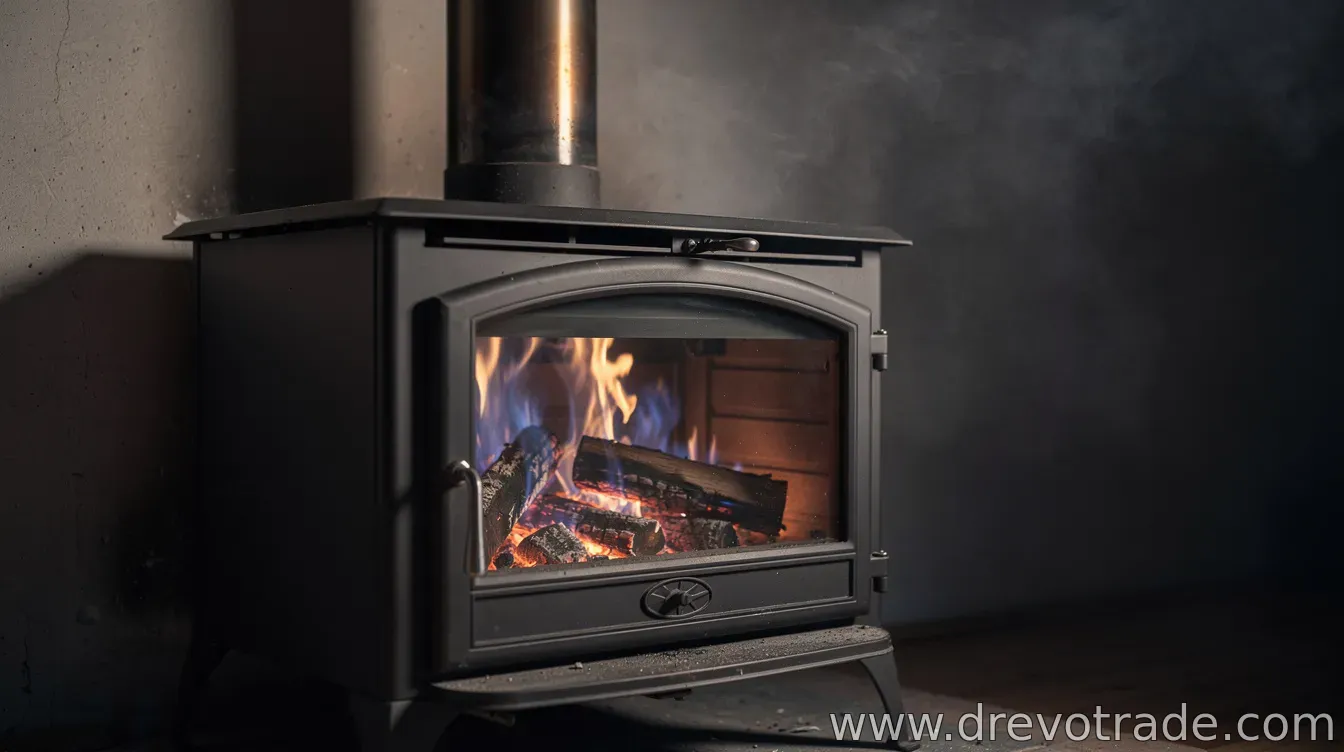 Wood heat can be clean and efficient, but smoke and soot usually signal incomplete combustion. When flames don’t get enough oxygen, or when the fuel is too wet, more of the wood’s energy leaves as particles and unburned gases—leading to smoky starts, black creosote, and sooty surfaces. Below are practical steps homeowners can take to reduce smoke and soot while staying safer and more efficient. 1) Use the right wood—and dry it enoughThe single biggest factor is fuel moisture. Wet or green wood takes energy to evaporate water, cooling the fire and encouraging smoldering. That incomplete burn creates more smoke and deposits. Look for seasoned wood that has been dried outdoors with good airflow for at least several months (often longer for thicker logs). If you can, use a moisture meter; many homeowners aim for roughly 20% moisture or lower. Also avoid soft, moldy, or loosely stacked wood that traps moisture. 2) Start hot with small fuel and strong airflowSmoke-heavy heating often happens during start-up and refueling. To minimize that, build a fire that quickly reaches high temperature. Use dry kindling and smaller splits to establish a strong flame, and only add larger logs once the fire bed is actively burning. Keep air pathways open during ignition so the fire gets oxygen instead of smoldering. 3) Burn “fully”—avoid smoldering and restrict only after it’s stableWhen the fire becomes lazy or smolders, smoke and soot increase. A healthy burn typically shows consistent flames and a brisk draft, with less gray smoke. Many stoves and fireplaces have adjustable air controls. A common approach is: keep airflow open until the fire is established, then reduce gradually to maintain a clean burn rather than choking the fire. The goal is stable heat output with minimal visible smoke. 4) Load the stove correctly and don’t overpackOverpacking can limit oxygen penetration between logs, forcing the fuel to burn slowly and incompletely. Underloading can cool the fire and also increase smoke. Follow your stove manufacturer’s guidance for loading. In general, aim for even spacing so air can move through the fuel bed. Add fuel in a way that supports a quick re-ignition of the new logs rather than smothering the existing fire. 5) Manage chimney draft and keep equipment cleanEven with good wood and technique, poor draft can lead to incomplete combustion. Ensure vents and intake air pathways are unobstructed and that your chimney system is functioning properly. Regular maintenance also reduces soot problems: clean the stove and replace worn gaskets as needed. Have the chimney professionally inspected and cleaned on a schedule appropriate for your usage, especially if you notice buildup or odors. What to watch for: If you frequently see thick gray/white smoke, strong creosote smell, heavy soot on nearby surfaces, or dark deposits after short burns, your burn conditions likely need adjustment—typically fuel moisture, start-up method, and airflow management. By combining dry, seasoned wood with a hot start, adequate oxygen, correct loading, and routine chimney/stove maintenance, most households can significantly reduce smoke and soot while improving heating efficiency. |
|
|
Related materials:
![]()
![]()
![]()
| Total comments: 0 | |