14:48 Boosting Stove or Boiler Efficiency with Briquettes |
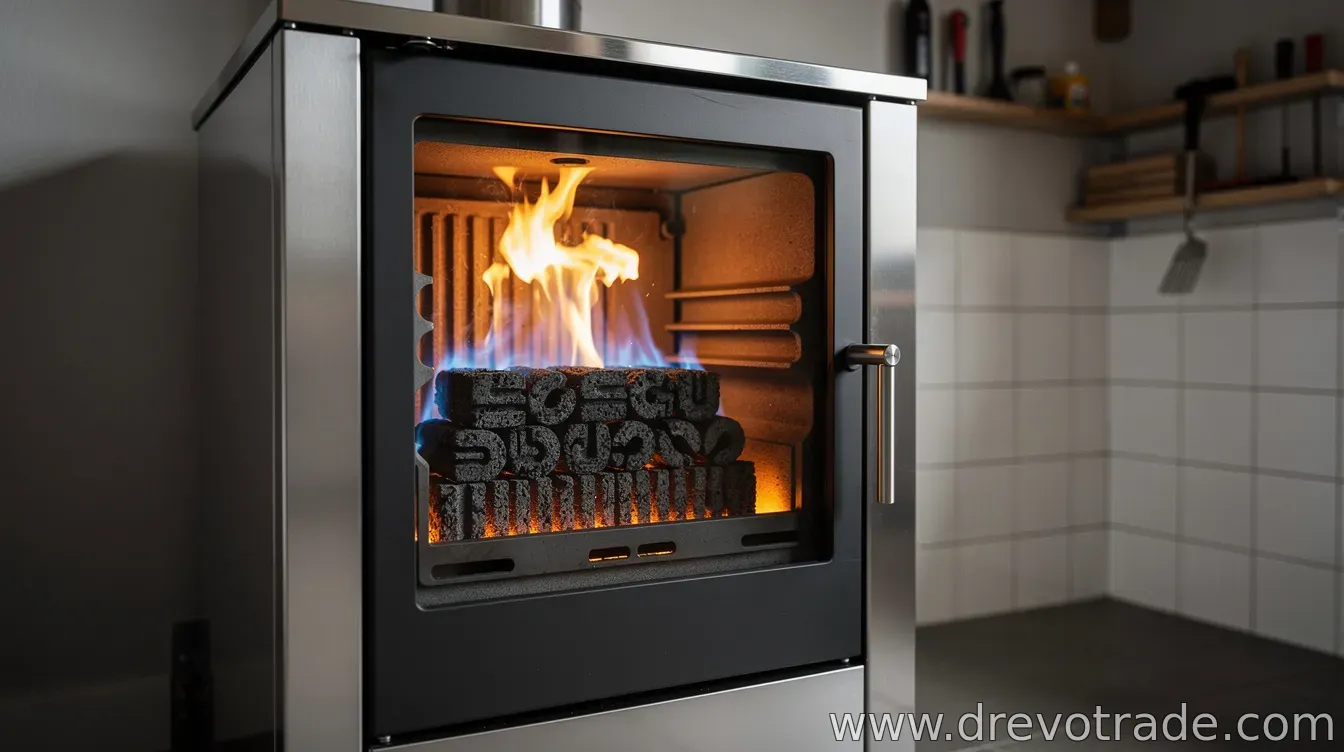 Briquettes can deliver steady heat and reduce waste, but “maximum efficiency” depends on how you operate your stove or boiler. The key is to maintain the right burn conditions—enough airflow for complete combustion, correct loading, and fuel that is dry and properly stored. Start with fuel quality and drynessEfficiency drops when briquettes contain excess moisture. Store them indoors, keep them off damp floors, and use sealed packaging when possible. If briquettes feel cool or clump with visible dampness, allow them to dry before use—without exposing them to rain outdoors. Dial in airflow for complete combustionMost stoves and many boilers rely on controllable air (primary and secondary air) to burn fuel thoroughly. Aim for a stable, hot burn rather than smoldering. As a general principle, incomplete combustion tends to produce darker smoke and higher soot—both signs you’re losing energy and clogging heat-transfer surfaces. Set the air controls gradually: let the fire reach operating temperature, then adjust to keep combustion consistent. If your system has multiple air stages, ensure secondary air is available for the later combustion phase, which can improve burn completeness. For stoves, combustion should look vigorous but controlled, with minimal smoke. For boilers, watch for system indicators (draft, combustion readings if available, and flue temperature patterns) to avoid both under-firing and overly aggressive airflow that wastes heat up the chimney. Use the right loading and burn patternHow you load briquettes matters as much as the airflow. Overloading can cool the combustion zone and lead to smoldering, while underloading can prevent stable heat output. Instead, load in a way that supports a steady burn cycle—typically smaller or staged additions to maintain temperature without suffocating the bed. When restarting or after a reload, give the system time to stabilize. Frequent, abrupt changes in airflow and fuel quantity can lower efficiency and increase soot formation. Consider the trade-off between “long burn” and clean burn. A burn that is too slow may extend runtime but reduce effective energy extraction due to incomplete combustion. Optimize draft and chimney performanceEven well-set air controls won’t overcome draft problems. Ensure your flue is functioning correctly and that chimney conditions support steady exhaust. Poor draft may cause smoke to back up or reduce combustion efficiency; excessive draft can pull heat away before it transfers to the stove body or boiler water. Keep the flue, heat exchanger surfaces, and vents clean. Soot or ash buildup acts like insulation, forcing the system to use more fuel to reach the same heat output. If your setup uses a thermostat or controller, ensure sensors are clean and positioned correctly. Controllers can improve consistency, but only if they’re reading the temperature conditions accurately. Finally, prioritize safety: follow the appliance manufacturer’s manual for briquette compatibility, operating ranges, and air-control guidance. Use only briquettes recommended for your stove/boiler type, and never block air intake pathways. With dry, properly stored briquettes and carefully tuned airflow and loading, you can reduce wasted heat, improve combustion cleanliness, and get more consistent warmth from each load. |
|
|
Related materials:
![]()


| Total comments: 0 | |