14:47 Oak vs Beech vs Pine Firewood: Heat Output Compared |
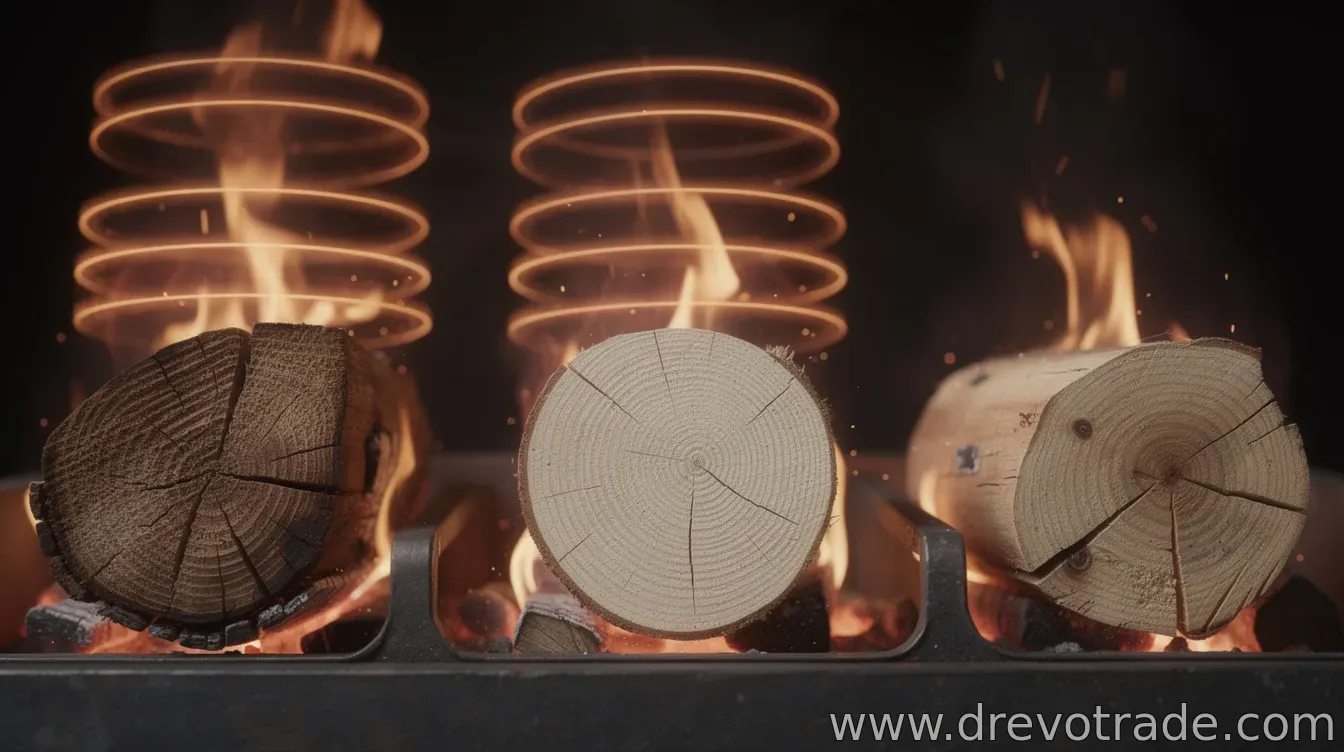 Choosing between oak, beech, and pine for firewood comes down to one practical question: how much heat you can reliably extract for the time and space you spend storing and burning it. Because wood varies by density and how dry it is, “best” depends on seasoning quality as much as species. In broad terms, oak and beech deliver higher heat output than pine for the same weight, while pine tends to be lower-energy and may require more volume to reach the same warmth. Properly seasoned firewood (typically dried to around 20% moisture content or lower) is crucial for fair comparisons. Typical heat output (seasoned wood)For seasoned firewood, the commonly cited energy content by dry matter is roughly:
That means oak and beech are often close to each other, while pine usually comes in a bit lower per kilogram. Volume vs weight: why “m³ of wood” can misleadMany people buy or stack firewood by volume (e.g., a cord or cubic meter). But energy output depends strongly on how much mass fits into that volume. Since oak and beech are denser, a given stacked volume typically contains more wood mass—and therefore more energy—than pine. So even if pine might ignite easily and burn with visible flame, it often requires more volume to deliver the same total heat over time compared with denser hardwoods. Burn time and heat consistencyDensity also affects how long logs last and how steadily they release heat. Oak and beech generally burn longer and more evenly than pine, which tends to be lighter and may produce a faster, more intense burn that can be easier to overshoot if your fire management isn’t adjusted. Practically, this can change how you run a stove: hardwoods often support longer overnight or extended burns, while pine may be better for quick heat bursts—provided your stove and chimney are set up for it. Moisture content: the biggest real-world variableEven among hardwoods, wet wood can drastically reduce usable heat because energy is spent evaporating water before the wood fully burns. Pine is especially sensitive to seasoning quality: it may look “dry enough” but still contain enough moisture to lower heat output and increase smoke. As a rule, prioritize well-seasoned wood over raw “species comparison.” If oak and pine are both properly seasoned, species differences are clearer. If one is wetter, it will lose more heat no matter what type it is. Overall takeawayIf your goal is maximum heat per kilogram (and often per stacked volume), oak and beech are usually the top choices, with pine typically lower. If you want faster ignition and a more lively flame for shorter heating periods, pine can still be useful—but you’ll generally need more of it to match the warmth from hardwoods. For best results, store firewood under cover with good airflow, aim for consistent seasoning, and match your loading and air control to the species you’re burning. |
|
|
| Total comments: 0 | |