14:45 How briquettes turn sawmill byproducts into heat |
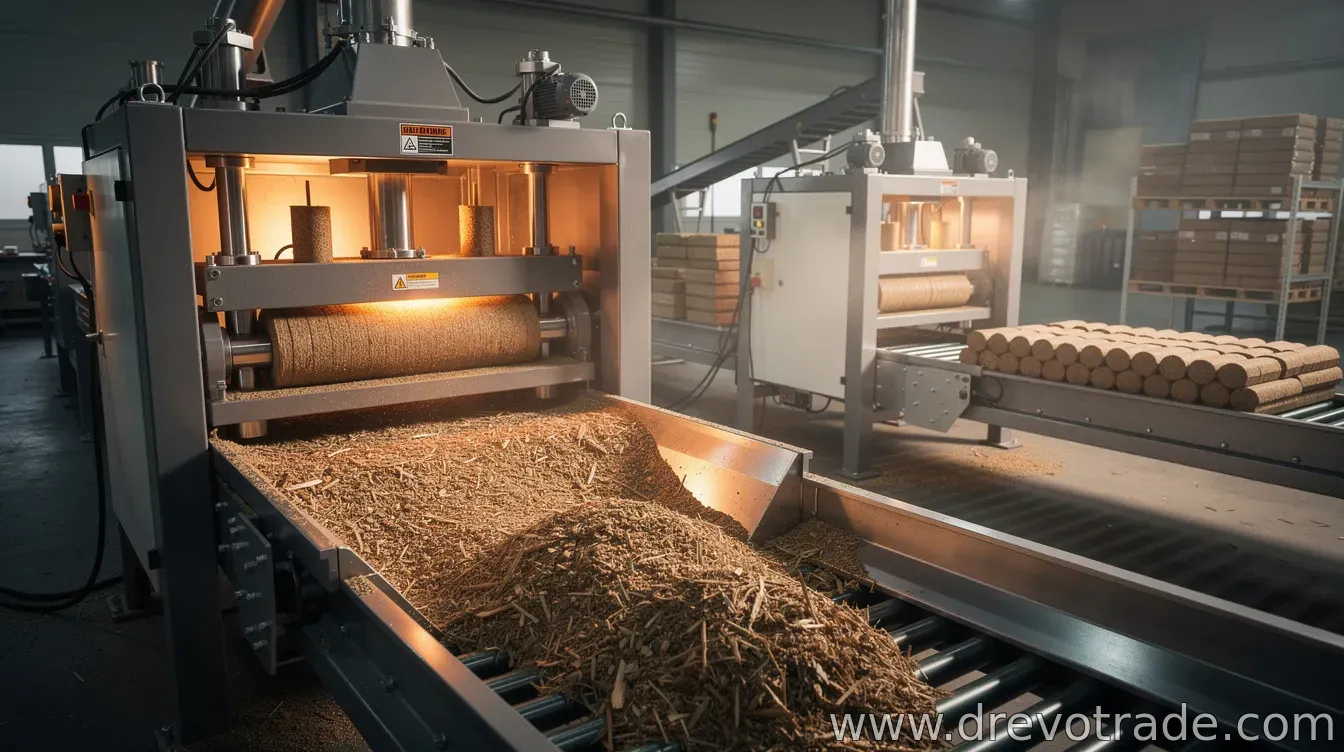 Briquette manufacturers are finding new value in sawmill byproducts, converting residues that once piled up in waste streams into a standardized solid fuel for heating and industrial use. As wood processing scales up across many regions, the availability of low-cost biomass waste has become an opportunity for both waste reduction and energy supply. From sawmill scrap to consistent fuelMost sawmills generate substantial quantities of byproducts during cutting, planing, and finishing—most commonly sawdust, wood shavings, and offcuts. Instead of sending these materials to landfills or low-value disposal routes, briquette producers collect, dry, and process them into briquettes through compaction and, in some cases, binding methods. The core objective is to make a residue-based fuel behave more like a dependable product: uniform shape, steadier combustion, and improved handling compared with loose sawdust. Drying is particularly important, since moisture can reduce heat output and worsen burn quality. Why recycling residues matters for waste and emissionsReducing wood waste can offer multiple environmental benefits. When residues are diverted from disposal, less material is sent to landfill sites. In addition, using byproducts that already exist in the wood supply chain can reduce pressure to harvest additional biomass solely for fuel. However, the environmental outcome depends on quality control and end-use practices. Properly produced briquettes can burn more efficiently than untreated residues, but outdated stoves or boilers can still limit performance and affect smoke emissions. Turning local byproducts into local supply chainsMany briquette plants operate near timber processing hubs to minimize transport costs and emissions. That proximity also helps secure feedstock consistency. By working with sawmills and wood processors, briquette producers can stabilize raw material supply and create a feedback loop: sawmills gain a downstream outlet for residues, while fuel buyers access a more reliable biomass product. In some markets, certification and sustainability standards increasingly influence purchasing decisions. Producers may be encouraged to document feedstock sourcing and production methods, which can improve consumer confidence and support long-term market growth. What buyers and regulators watchAs the briquette sector expands, regulators and customers tend to focus on metrics such as moisture content, density, ash content, and combustion behavior. These characteristics determine how well briquettes perform in real heating conditions and how much residue remains after burning. Where regulations are in place, manufacturers may also align with emissions requirements, including limits related to particulate matter. The result is a push toward improved production control—often including better drying systems and quality testing. Ultimately, the briquette industry’s use of sawmill byproducts reflects a broader shift toward circular materials: turning “waste” into a measurable resource. While challenges remain—particularly around consistent quality, appropriate end-use equipment, and verified sustainability—the model shows how wood-sector residues can be recycled into useful energy instead of accumulating as waste. |
|
|
Related materials:

![]()
![]()
| Total comments: 0 | |