13:59 The benefits of dry oak firewood: heat, savings, and less smoke |
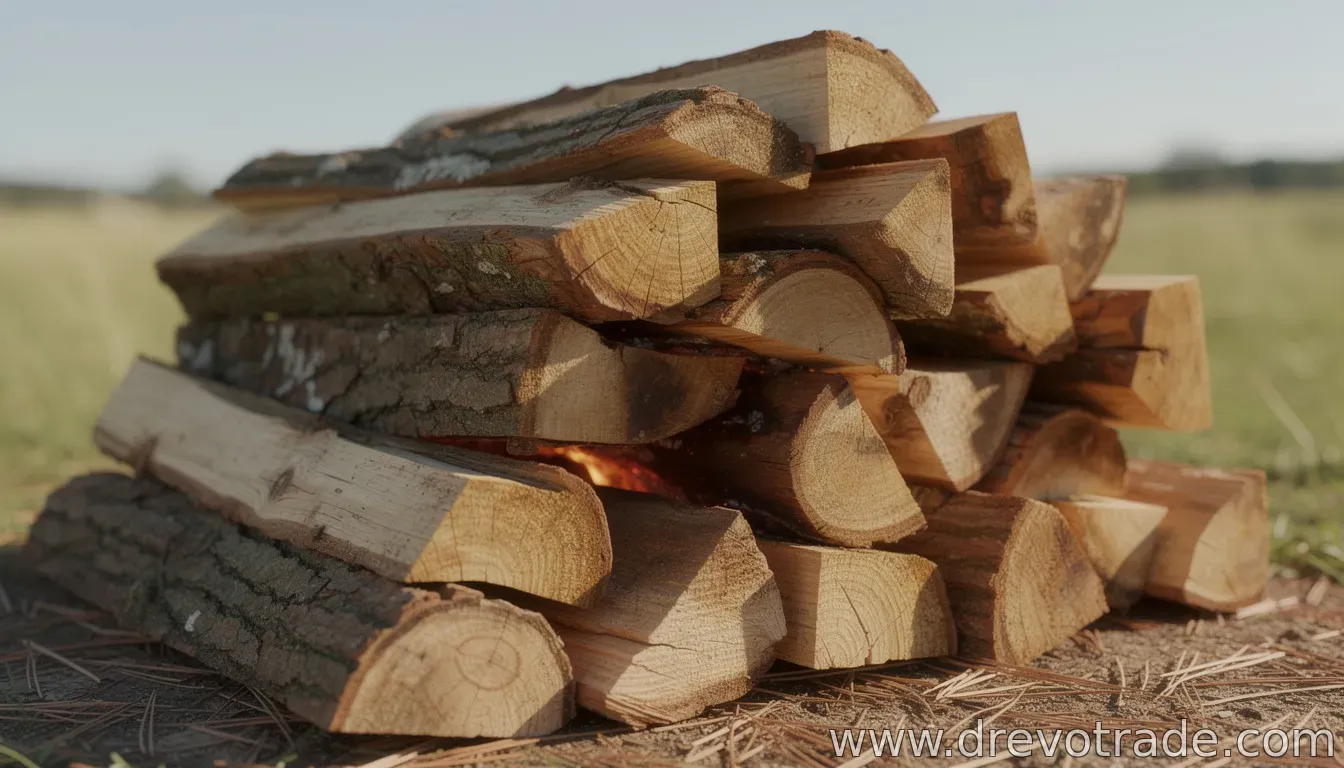 Oak is considered one of the most valuable types of firewood for heating and cooking. The main advantage of dry oak firewood is its low moisture content. Wet wood loses some of its heat to water evaporation, while dry oak instantly converts to solid heat, ensuring more efficient and economical combustion. Efficiency and Warmth. Oak's low moisture content provides a high heat output per kilogram, allowing the home to retain heat longer and warm up rooms faster. This, in turn, leads to reduced fuel consumption and cost savings. Clean Burning. Dry oak produces less smoke and soot. This has a positive effect on the eyes, respiratory system, and chimney health. Less soot accumulation means less frequent cleaning of the fireplace or stove. Long and Stable Burning. Oak firewood with a low moisture content burns slowly and steadily, providing an even heat output over a long period. This is convenient for both heating the home and maintaining a warm room at night. Heat quality and ease of use. Thanks to the dense structure of oak, firewood made from it crumbles less during splitting and transportation, making it easier to use and store. It retains heat even with a slight increase in moisture after drying. How to properly store oak firewood. To preserve its key benefits, firewood should be stored in a ventilated area, on a pallet or shelves, under cover, and in a dry room. The optimal moisture content of finished wood is around 20% or lower. So, dry oak firewood is an investment in comfort and savings: less smoke, more heat, and a long burn time. When choosing, consider the ambient temperature and the characteristics of your stove or fireplace. |
|
|
Related materials:
![]()
![]()
![]()
| Total comments: 0 | |