13:57 Pine Pellets Without Binders: Fact or Fiction |
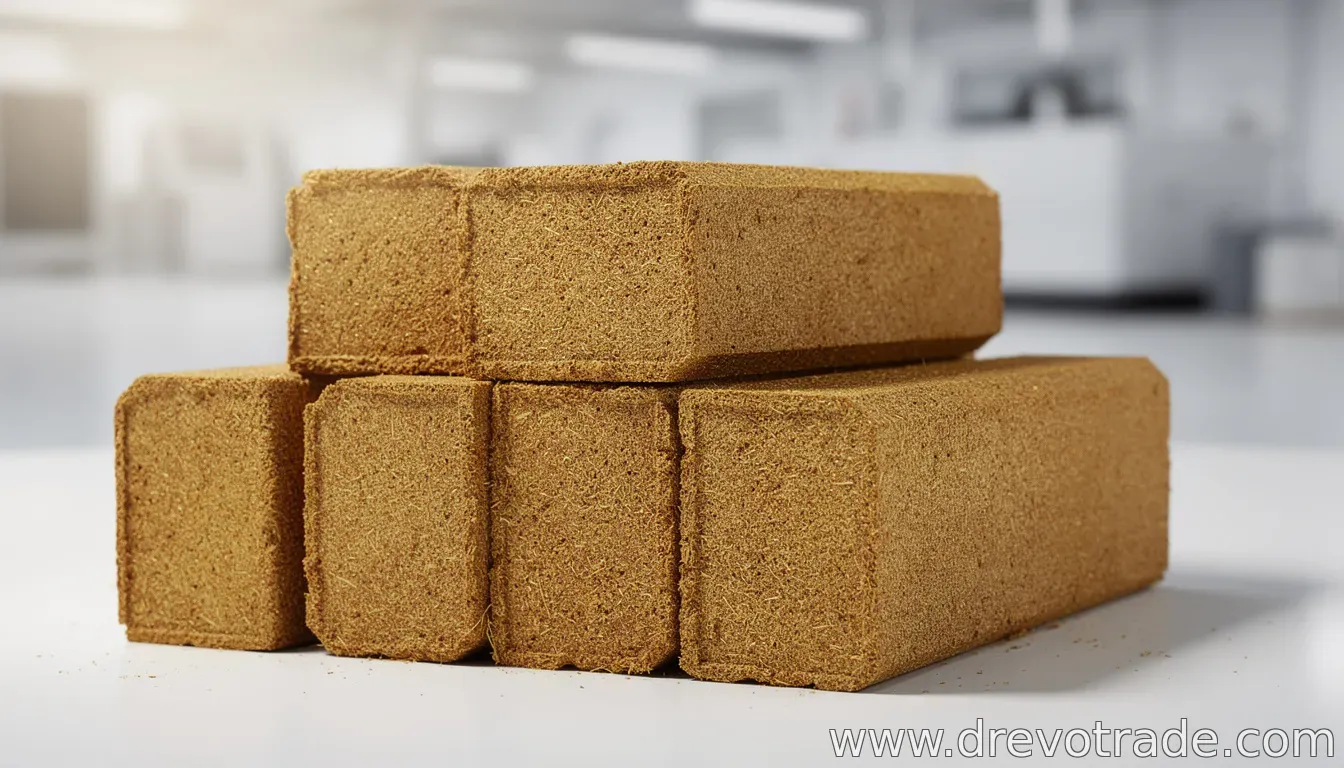 The use of binders in fuel briquette production is frequently discussed in the biofuels industry. Reports that pine briquettes are produced without any binders have sparked heated debate among producers and consumers. This article explores the possible technologies and practices underlying this claim, as well as its implications for combustion efficiency and product stability. Key takeaway: the absence of binders can reduce impurity levels and simplify product certification in some regions. However, the removal of binders often requires alternative particle bonding solutions, such as the natural adhesion of wood pulp, high-density pressing, or hot-pressing. Manufacturers' publications offer various approaches to forming a pressed structure without additives. Experts note that the strength and stability of binder-free briquettes depend on the initial moisture content, particle size, raw material homogeneity, and pressing parameters. Incorrect process settings can lead to crumbling, uneven combustion, and reduced efficiency. In some cases, briquettes undergo additional processing or firing to ensure the required strength during transportation and storage. Consumers prioritize combustion parameters such as smoldering time, calorific value, and emission levels. Without binders, more stringent quality control may be required at the input stage, including moisture content, residual moisture content, and shape consistency. In some countries, regulators interpret strength and additive-free certification requirements differently, which impacts the availability of such products on the market. The industry community notes that the key to success lies in balancing the environmental benefits of binder-free briquettes with technical performance requirements. While the use of pure pine fibers can be beneficial if demand is stable, consumers should consider potential storage and transportation issues, particularly under fluctuating humidity and temperature conditions. In the coming years, industry research and pilot projects may lead to standardized methods that will allow the commercialization of binder-free briquettes without compromising reliability. The question remains as to how widely this technology can replace traditional briquettes with additives and what regulatory changes will be needed for widespread adoption. In conclusion, the claim that pine pellets are binder-free requires detailed technological confirmation. It's important for end consumers to stay abreast of changes in quality standards and certification to accurately assess the true environmental and economic benefits of such a product. |
|
|
Related materials:
![]()
![]()
![]()
| Total comments: 0 | |