16:50 Beginner’s Guide to Starting a Wood-Burning Stove Safely | |
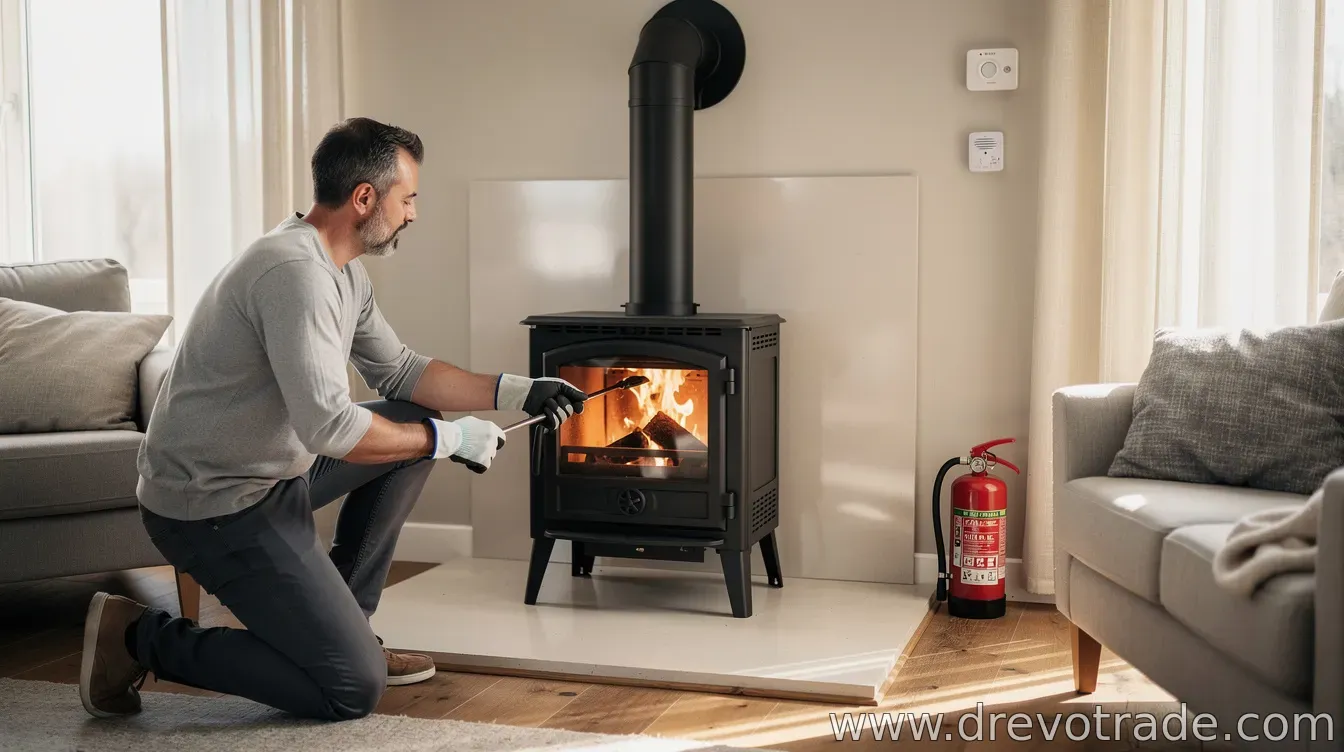 Wood-burning stoves can be cozy and cost-effective, but safe starts depend on preparation, correct fuel, and careful attention to airflow. For beginners, the goal is simple: build a controlled, small fire that grows steadily—without smoke backdrafts or overheating. Before you light: safety checks and setupStart with the basics: make sure the stove is installed and maintained according to the manufacturer’s instructions and local regulations. Confirm the door seals, chimney/damper, and ash pan are in proper working condition, and clear any combustibles from nearby surfaces. Have a working fire extinguisher rated for household use and a carbon monoxide (CO) alarm in the home. Check ventilation needs before lighting. If you have an air intake (for homes with tight construction), ensure it’s unobstructed. Never start the stove with the primary air controls set incorrectly for your model—follow the stove manual’s guidance for “start-up” or “lighting.” Choose the right fuel: dry is non-negotiableUse well-seasoned, dry wood—often defined as wood that has been dried for months and has a lower moisture content. Wet wood produces more smoke, creosote buildup, and inefficient heat, increasing safety risks. Avoid softwood scraps, treated or painted wood, and anything that can create toxic fumes. If possible, use a moisture meter for accuracy. As a rule of thumb, dry splits tend to be lighter, have visible cracks in the end grain, and produce less heavy smoke when burning. How to build a safe kindling-and-timber fireBegin with a small, controlled fire. Use a “top-down” or “log-cabin” style depending on your stove’s design, but the common principle is to stage kindling and small pieces so airflow can reach the fuel. Place kindling so it has space for combustion air to flow; avoid packing the firebox tightly. Open the damper and set the air controls to the start-up position recommended by the stove manual. Add kindling first, then small dry splits, leaving room for the fire to establish draft. If your stove has a secondary combustion mode, only use it when the fire is stable and hot enough—again, per manufacturer instructions. Lighting steps: steady growth, controlled airflowLight the kindling from multiple points if needed so ignition is quick and consistent. Watch the smoke pattern at the chimney as it establishes draft. If you see excessive smoke spilling into the room, or if the flame appears weak despite airflow adjustments, stop and reassess—common causes include cold chimney draft, blocked flue path, or overly dense packing. Once the kindling is burning well and the stove is drawing properly, you can gradually add slightly larger pieces. Increase fuel step-by-step rather than dumping large logs at the start. This approach helps prevent smoldering, which is where efficiency drops and creosote risk rises. During the burn: prevent overheating and monitor conditionsKeep the fire “active” rather than smoldering. Use the air controls to maintain a lively burn while staying within the stove’s stated temperature limits. Avoid leaving the stove unattended during start-up or when experimenting with settings. If your stove uses a thermostat or controlled air system, ensure it behaves as expected. For beginners, it’s wise to review the manual and periodically check the firebox and surrounding clearances. Never add accelerants like gasoline or lighter fluid. After you finish: cooldown, ash handling, and maintenanceLet the stove cool completely before handling ashes. Ashes can hold heat longer than expected, and hot embers can ignite combustibles. Store ashes in a metal container with a tight-fitting lid, and keep them away from living areas and flammable materials. Finally, plan for chimney and stove maintenance. Regular inspections and chimney sweeping help reduce creosote buildup. Consider professional servicing at least annually (or more often with heavy use), and always address any draft issues or unusual smells before lighting again. By starting small, using dry fuel, maintaining correct airflow, and following your stove’s manual, beginners can build confidence fast—and enjoy safer, cleaner burns. | |
|
| |
Related materials:
![]()
![]()
![]()
| Total comments: 0 | |