11:01 Kiln-dried vs air-dried firewood: which is better? | |
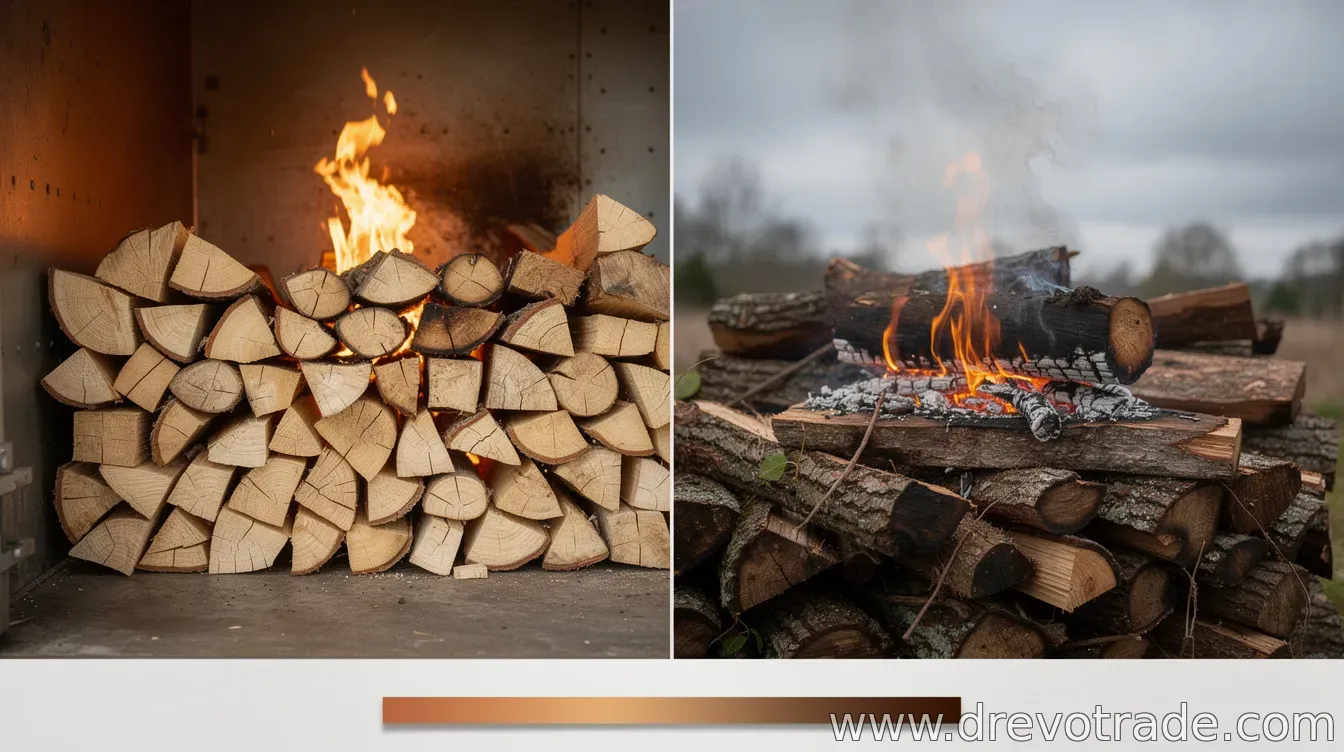 Choosing between kiln-dried and air-dried firewood often comes down to moisture content, burn efficiency, and convenience. Both can be effective, but they behave differently once they’re in your stove or fireplace—especially during the heating season when you want reliable, low-smoke performance. What “dry” really means: moisture contentWood is considered ready for burning when its moisture content is low enough to burn cleanly. Kiln drying uses controlled heat to drive moisture out quickly and consistently. Air drying relies on time, airflow, and weather to evaporate moisture naturally, so results can vary widely depending on how the wood is stacked and sheltered. In practice, kiln-dried logs are more likely to reach a target moisture range with less guesswork. Air-dried wood can also reach that range, but it may require longer seasoning and good handling to avoid pockets of wetter material. Burn quality: heat, smoke, and lighting speedBecause kiln-dried firewood is generally drier and more uniform, it tends to ignite faster and burn more steadily. That means less energy lost to evaporating remaining water and, in many cases, less visible smoke during the early burn stage. Air-dried firewood can produce excellent heat, but if portions of the wood are still relatively wet, you may notice slower ignition, more smoldering, or a longer period of smoke as the log warms and dries further in the fire. How long it takes to be readyKiln-dried wood is usually ready to burn on delivery, which is a major advantage if you’re stocking up late or want immediate results. Air-dried wood typically needs a longer seasoning window—often measured in months—so it’s commonly a better choice if you plan ahead and can store wood properly through the dry season. For buyers, kiln drying reduces uncertainty. For homeowners who can wait, air drying can be cost-effective—provided the wood is well seasoned. Consistency and storage riskKiln drying doesn’t just speed up drying; it also improves consistency. That matters because firewood quality isn’t only about average moisture—it’s about how uniform the load is. Kiln-dried batches are more likely to perform similarly log-to-log. Air-dried wood’s performance can depend on storage. Even after seasoning, poorly covered stacks or wood kept in consistently damp conditions can reabsorb moisture. If you choose air-dried logs, prioritize elevation from the ground, good airflow, and protection from rain while allowing ventilation. Costs: what you pay for convenienceKiln-dried firewood often costs more upfront, reflecting the energy and processing required to dry it under controlled conditions. But the trade-off is fewer burn problems, faster readiness, and more predictable heating. Air-dried wood may be cheaper, especially if you source it locally or season it yourself. The potential downside is greater variability—meaning you might use more wood to get the same effective heat or spend extra time dealing with harder-to-light logs. So which is better?If your priority is reliable performance, fast readiness, and predictable burn quality, kiln-dried firewood is usually the better choice. If you’re cost-conscious and you can season and store wood correctly over time, air-dried firewood can also be an excellent option. When in doubt, measure moisture with a properly calibrated moisture meter—especially for air-dried wood. It’s the fastest way to move from guesswork to confident, cleaner burning. | |
|
| |
Related materials:
![]()
![]()
![]()
| Total comments: 0 | |