18:01 Fire Safety Tips for Wood Heating at Home | |
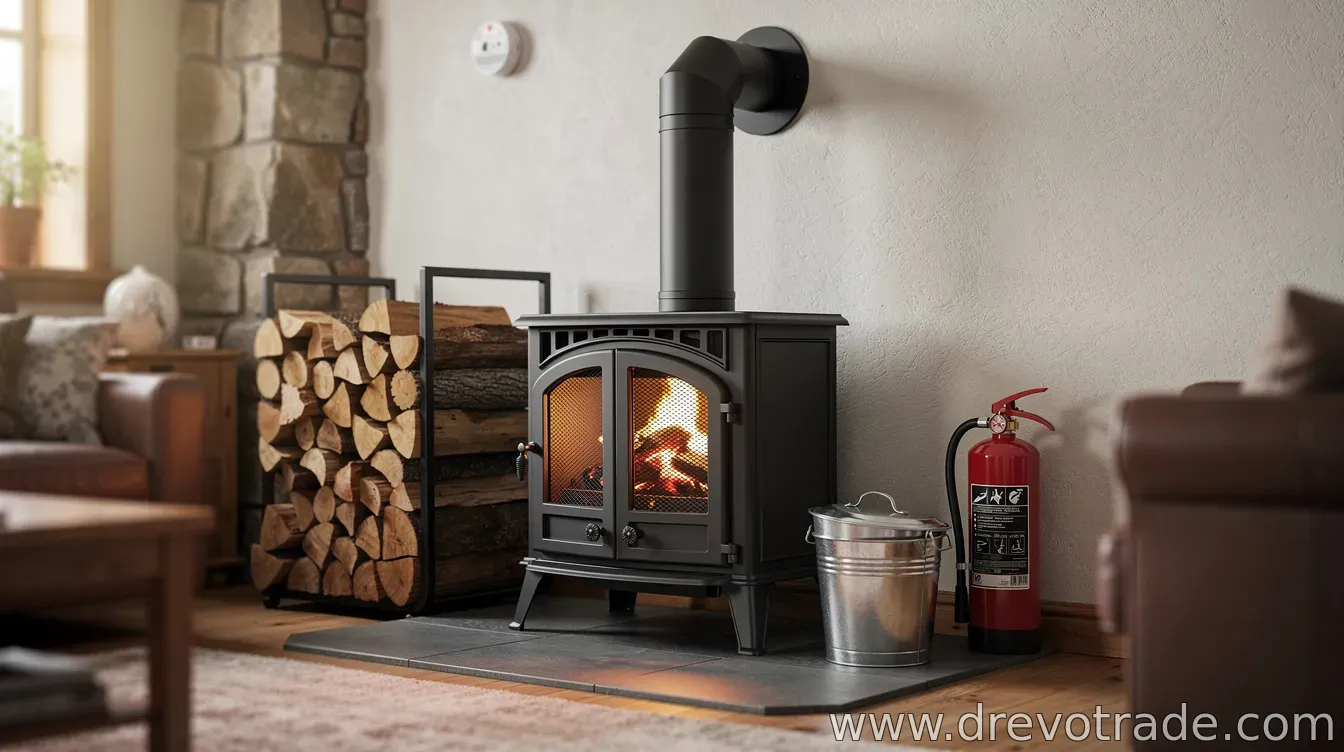 Wood heating offers reliable warmth, but it also comes with clear fire risks. Most incidents are preventable with good installation, regular maintenance, and careful day-to-day habits around the stove, fireplace, and chimney. Start with the basics: have your wood-burning appliance and flue installed by a qualified professional, and confirm clearances to walls, floors, and nearby combustibles meet local building and fire codes. Using a stove that’s not properly vented—or placing it too close to wood, rugs, or drywall—can turn a small problem into a fast-spreading fire. Keep the area around your stove “fuel-free.” Store firewood outdoors or in a non-combustible space, and avoid stacking logs, kindling, or paper near the firebox. Use a non-combustible hearth or mat where required, and ensure furniture, curtains, and décor stay well away from the unit. Maintain the chimney and ventilationChimney and flue maintenance is one of the most important safeguards against chimney fires. Creosote buildup from burning wood can ignite, so schedule regular chimney inspections and cleanings—especially during heavy use. Make sure the damper, draft controls, and smoke pipe joints are intact and sealed as recommended by the manufacturer. Use seasoned wood and handle fuels correctly. Burning excessively wet wood increases smoke and creosote. Keep a dedicated area for kindling and matches, and never use gasoline, lighter fluid, or other accelerants to start or revive a fire—these products can cause flash fires and severe burns. Build and manage fires safelyFollow the stove maker’s instructions for loading, airflow, and operation. Don’t overfill the firebox or block vents, and avoid “banking” the fire with too much fuel if your appliance isn’t designed for it. If you need a reliable overnight burn, use only the method recommended for your specific model. Install and test safety devices. Have working smoke alarms on every level of the home and near sleeping areas, and consider carbon monoxide (CO) alarms as well—wood stoves can produce dangerous CO if ventilation is compromised. Test alarms regularly and replace batteries on schedule. Plan for emergencies before you light the first fire. Keep a fire extinguisher rated for home fires accessible, and know how to use it. Ensure escape routes are clear, and if a chimney fire occurs—often marked by roaring sounds or sparks from the chimney—do not open doors or move the stove; follow local emergency guidance and call emergency services. Finally, adopt a simple routine: inspect the stove and chimney system at the start of each heating season, keep the surrounding area tidy and non-combustible, and never leave a fire unattended if your stove requires monitoring. With the right installation, fuel choices, and maintenance, you can enjoy wood heat with far lower risk. | |
|
| |
Related materials:
![]()
![]()
![]()
| Total comments: 0 | |