14:46 How to Store Pini Kay Briquettes to Stay Dry All Winter | |
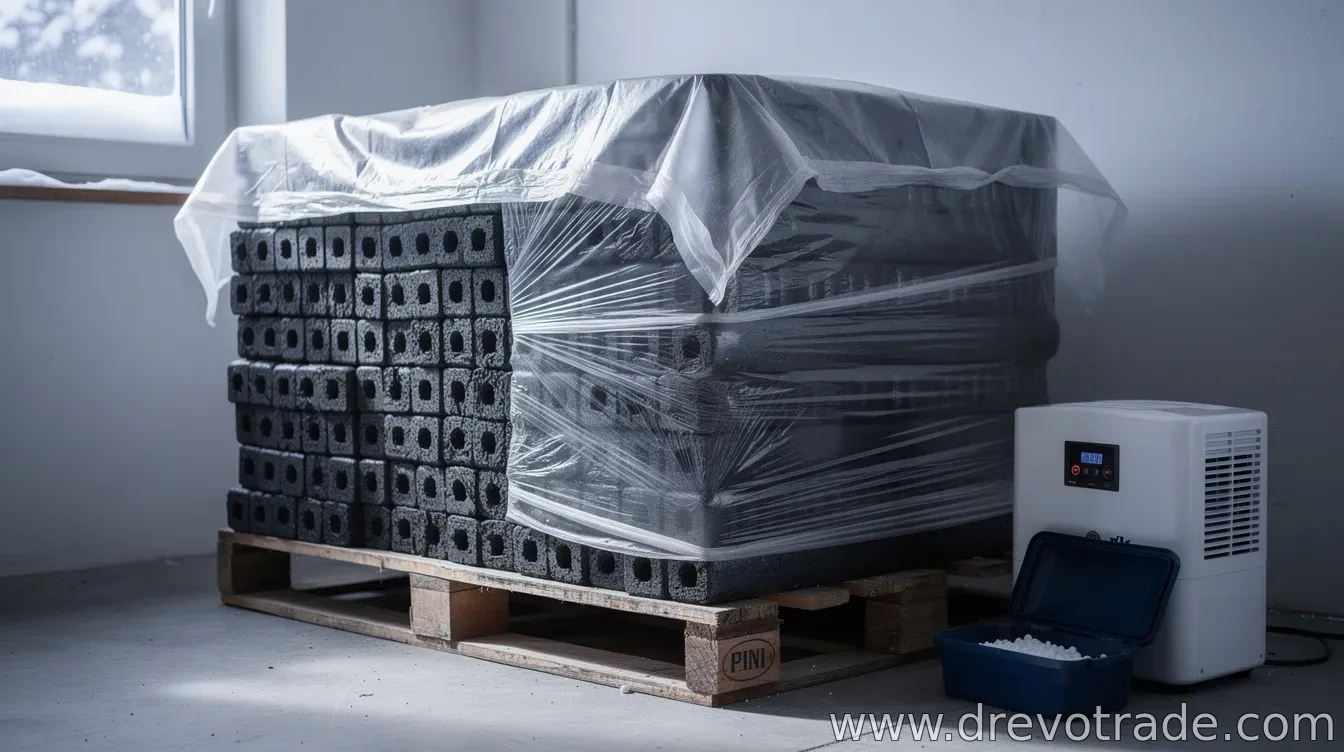 Pini Kay (Pini Key) briquettes burn best when they remain completely dry. Moisture can reduce heat output, make ignition harder, and lead to swelling, crumbling, or mold—especially during long winter months with repeated freeze-thaw cycles. The goal is simple: block bulk water (rain/snow/condensation leaks), minimize humidity exposure, and keep briquettes off cold, damp ground. Follow the steps below to build a dry, practical storage system for the whole season. Choose the right storage locationStore briquettes indoors whenever possible—an unheated garage, storage room, basement (dry), or dedicated shed with a roof. Avoid locations where water can collect, such as near downspouts, low spots, or areas with known seepage. If you must use an outdoor shed, ensure it’s waterproof, dry inside, and elevated from the ground to reduce moisture transfer. Keep them sealed from humidity and waterMoist air is as damaging as direct water. Use the original packaging if it’s intact, and then add an extra moisture barrier. For example, wrap pallets in high-quality plastic film or use a purpose-made tarp system that prevents rain entry while limiting air exposure. Make sure the cover reaches the ground or is sealed at the base to stop wind-driven rain, but avoid trapping standing water against the pile. Store on pallets and off the floorNever place briquettes directly on concrete, bare ground, or damp wooden floors. Elevate the stack using pallets or a raised rack so air can circulate underneath and condensation can’t wick into the fuel. This also protects against accidental water drips from washing, plumbing, or seasonal ground moisture. Ventilate the space—without letting rain inA good storage area reduces indoor humidity buildup. If you’re storing in a shed or unheated room, provide controlled ventilation (cracks, vents, or a small fan) so moisture doesn’t linger. However, do not create openings that allow snow or rain to blow directly onto the briquettes. In particularly damp climates, consider using desiccants or a moisture absorber in the storage space (not inside the sealed bag on top of the briquettes), and replace them as they saturate. Plan the stack and protect the edgesUse stable stacks and avoid compressing the entire pile too tightly. Briquettes can leave small gaps that allow moisture ingress if the cover shifts. Keep edges and corners well protected, since these areas are most likely to receive wind-driven moisture. If you’re covering a pallet pile, ensure the plastic/tarp is taut and secured so it won’t flap during storms. Keep inventory dry and rotatedStart the season by using the briquettes you store earliest. As you open the storage area, reseal the remaining bundles quickly. If you expose briquettes to humid air for long periods, surface moisture can develop. Label batches by date and take only what you need. This reduces how long the rest of your stock remains uncovered. What to check during winterAt least once every few weeks during heavy weather, inspect the outer cover and the base for signs of moisture. Look for sagging plastic, tears, pooling water near the storage zone, or condensation on internal surfaces. If you spot any damp briquettes, remove them from the pile and dry them in a well-ventilated, dry area before burning. Don’t assume a sealed bag is airtight if it has punctures or broken seams. With consistent elevation, moisture barriers, and careful location choice, your Pini Kay briquettes should remain dry, light to ignite, and ready for dependable heat throughout winter. | |
|
| |
Related materials:
![]()
| Total comments: 0 | |