18:15 How to light a fireplace or boiler with wood without smoke: practical steps | |
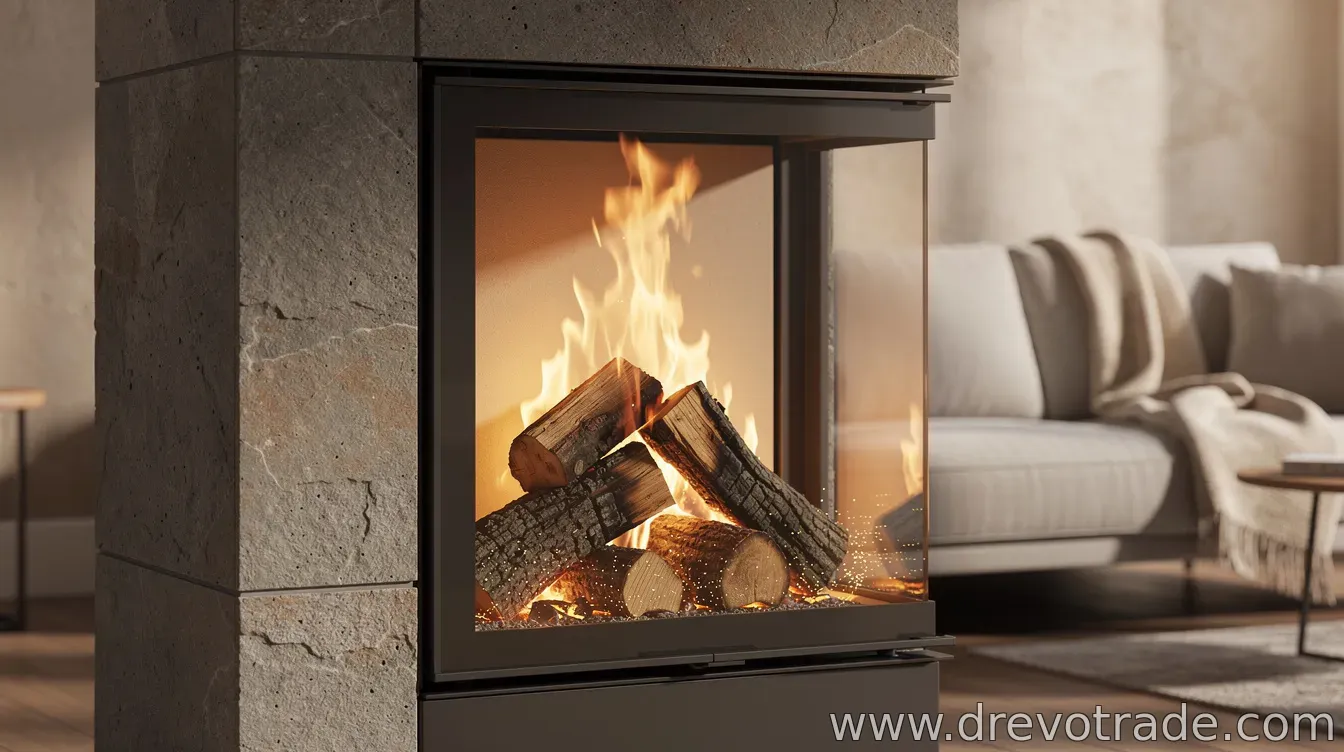 Smoke and soot during kindling usually appear not because of the “wrong method”, but because of a combination of factors: damp wood, weak or incorrect draft, insufficient air flow and too large/dense logs. Below is a practical plan on how to minimize smoke when lighting a fireplace or boiler. 1) Use only dry firewood The most common cause of a “smoky” start is damp wood. Dry firewood burns faster and practically does not emit thick smoke during acceleration. Guideline: firewood should be well dried (stored in a dry place, under a canopy) and easy to split. If the wood “looks dry”, but when lifted is heavy or does not work with a crackling sound, it is better not to light it. 2) Prepare the draft and check the chimney Before lighting, make sure that the chimney/pipe is working: the cleanliness of the channel critically affects the draft. If there is soot or obstructions in the pipe, smoke will come out through the fireplace/boiler. Also check the dampers: they should provide natural circulation during the start of combustion. 3) Create a “kindling base”: air and thin fragments To start, you need intense combustion with access to oxygen. Instead of immediately laying large logs in a dense mass, make a “sandwich” of a dry kindling base: under the bottom — small dry chips/wood chips or thin firewood, on top — larger pieces. It is important to leave gaps so that air can pass deep and from below. A useful principle: the more air passes between the fuel during the acceleration stage, the less smoke. If the fuel is laid tightly, smoldering appears instead of flame — and smoldering almost always produces soot. 4) Light from above or below — but with the right air There are two working approaches, both of which can reduce smoke if the air supply and dryness are maintained: • Light from below: light the wood chips/wood chips under the light logs, gradually lighting the larger logs. • Light from above: the dry kindling burns from above and creates a more stable combustion front. In any case, do not stifle the fire at the start: if you close the damper or draft regulator too early, the combustion will slow down and smoke will come out. 5) Adjust the air supply during acceleration To avoid smoke, it is important that the wood has time to transition from warming up and gas formation to active combustion. During acceleration, a greater flow of oxygen is usually required. After a stable flame has appeared (and the smoke has decreased), you can smoothly switch to operating mode. 6) Don’t “overfill” the firebox right away If you load the boiler/fireplace too tightly or with too much wood right away, the start may go into smoldering mode. It’s better to light a small layer of dry fuel, wait for a stable flame, and only then add wood in portions. This way you keep the burning controlled and reduce the chances of soot. 7) Signs of proper combustion Focus on the flame behavior and smoke output. Proper ignition usually gives a quick burn and transition to stable burning without prolonged thick smoke. If the smoke is thick and dark, and the flame is weak, this almost always means: not enough air, draft problems, or damp wood. 8) Safety and “what not to do” Do not use unknown or toxic materials as ignition. Monitor the draft and tightness of the door, do not close the ventilation too early, and avoid lighting when the chimney is not ready (poor draft, clogged). If there are doubts about the condition of the chimney or the regularity of maintenance, it is better to contact a specialist. In short: dry firewood + clean chimney + correct air supply + portioned loading is the most reliable combination for a minimum of smoke and soot during lighting. | |
|
| |
Related materials:
![]()
![]()
![]()
| Total comments: 0 | |