18:37 How to recover firewood for a fireplace: oak versus other species | |
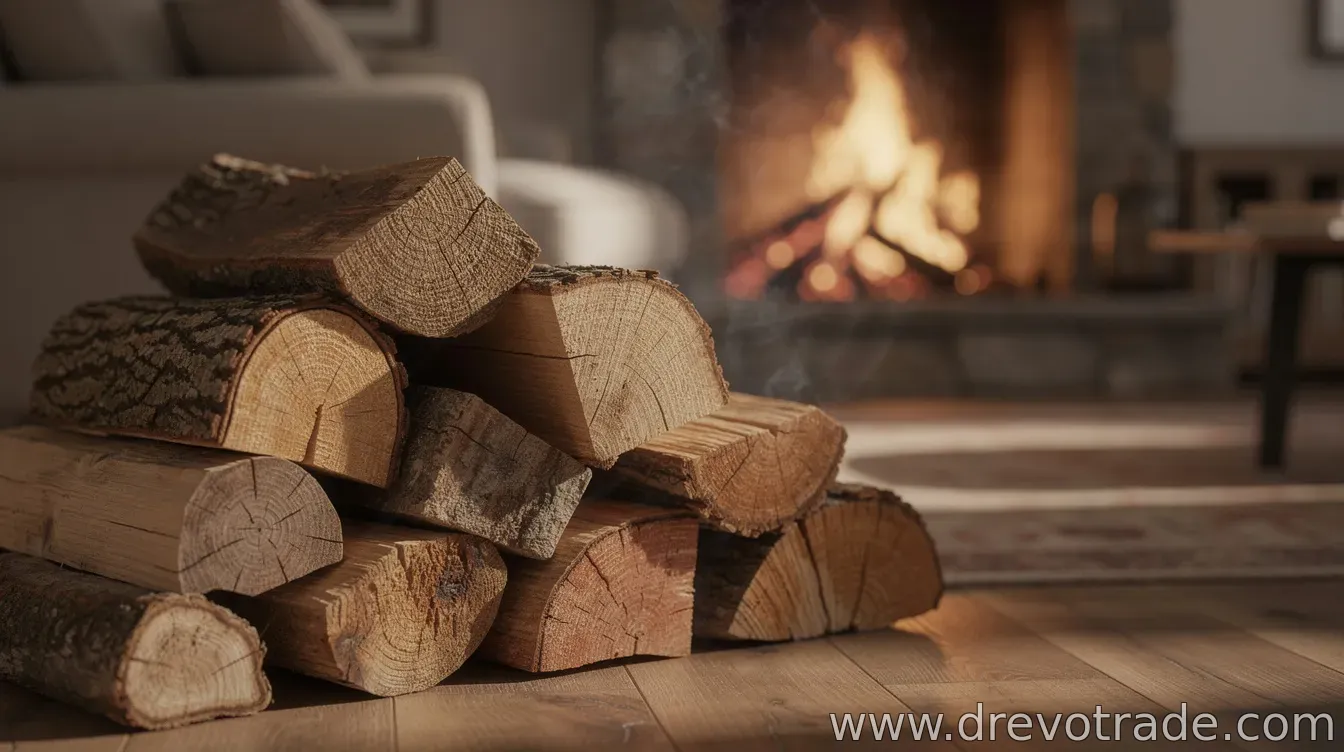 When collecting firewood for fireplace burning, it is important to check not only the type of wood, but also the moisture content, the correctness of drying and the type of fire that is used in the fireplace. The correct choice helps to remove stable heat, change the formation of soot and improve the safety of the fireplace. Why oak is often used for a fireplace Okremy plus - oak can be less “capricious” to a stable burner, as long as the firewood is properly dried. Important: without proper drying, the best breed will not thrive as well as cool. Pine, birch and others: what gives stink away Birch is highly respected as the “golden mean” for its accessibility and mountainous character. It is designed to ensure good heat, which, as in other cases, loses the key moisture and acidity of drying. Of additional importance is the presence of resin and a portion of the larger easily occupied fractions in a particular batch. Other leafy species (for example, velvet or fruit trees) may be harvested depending on the region and how the firewood is prepared. Some of them work well for quick heating of the room, while others are better suited for difficult heating sessions. What to marvel at, the cream of the breed: moisture and preparation Focus on correctly split fields of the same size that were kept under a canopy with ventilation. Because it is possible, choose a vologomir for the village; Either way, pay attention to external signs (cracks at the ends, less volume “volume”, stability when heated), but remember: without modification it is difficult to guarantee the result. Another practical aspect is the relationship between the breed and the script of the story. If you need long heat “sessions” without frequent feeding, oak may be the best choice. Since quick heating and starting of the fireplace are important, other breeds may need to get into working mode sooner. Combinations (for example, for baking and for further burning) will provide the greatest balance. In a nutshell: oak is often chosen as firewood with high calorific value and firewood, but it is not the name of the species that “overrides”, but the quality of the firewood. The most important thing for a fireplace is dryness, proper preparation and compliance with your burning regime. Like the Wikonans, oak can be opened as efficiently as possible - and other species can become a pre-river alternative or complementary one. | |
|
| |
Related materials:
![]()
![]()
![]()
| Total comments: 0 | |