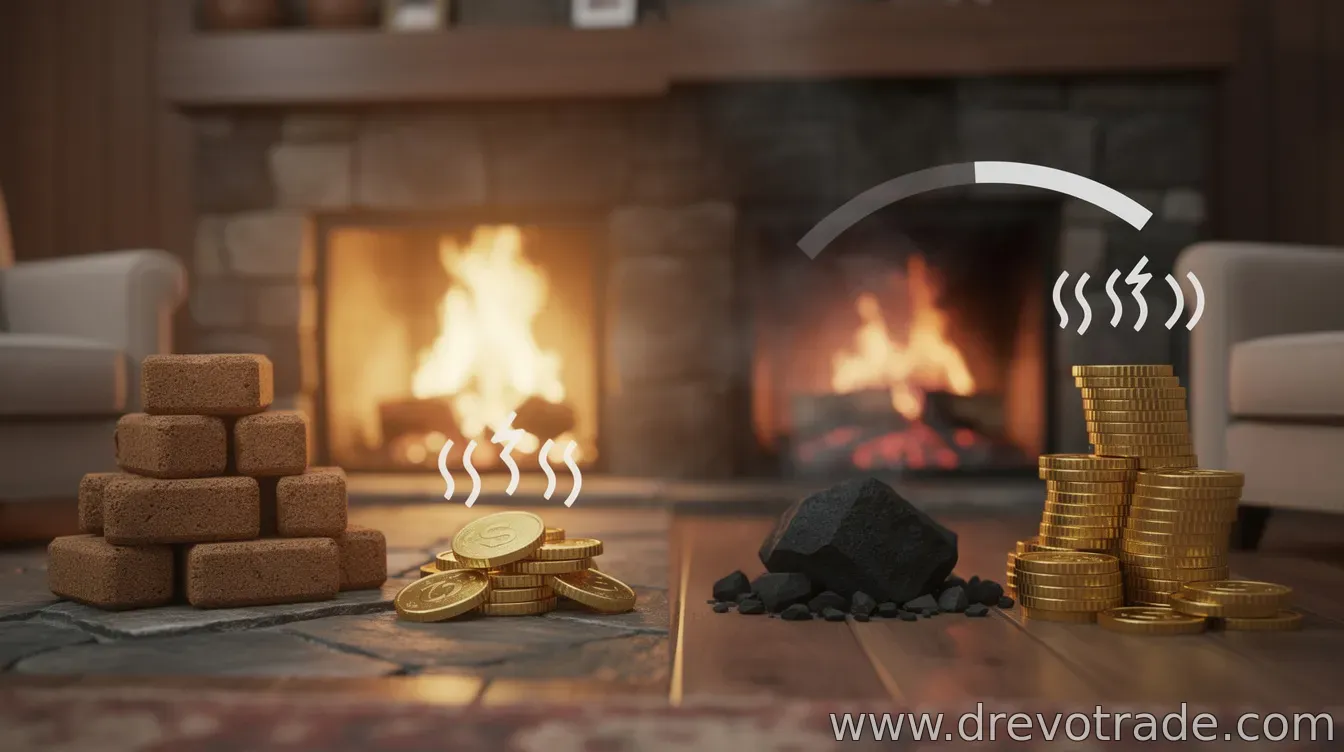
Choosing between briquettes and coal for home heating usually comes down to two questions: what it costs over a full season, and how efficiently the fuel turns into usable heat. While coal has a reputation for being economical, briquettes are increasingly favored for their consistency and reduced mess—factors that can materially change both comfort and total spending.
This comparison focuses on practical performance in typical residential setups, such as multi-fuel stoves and boilers where the right fuel specification and local regulations apply.
1) Upfront price vs real seasonal cost
Coal is often cheaper per unit of fuel at the point of purchase, but household costs are determined by how much of that fuel actually becomes heat in your space. Coal quality can vary by source, moisture content, and grading, which affects how quickly it burns and how completely it combusts.
Briquettes are manufactured to be more
... Read more »
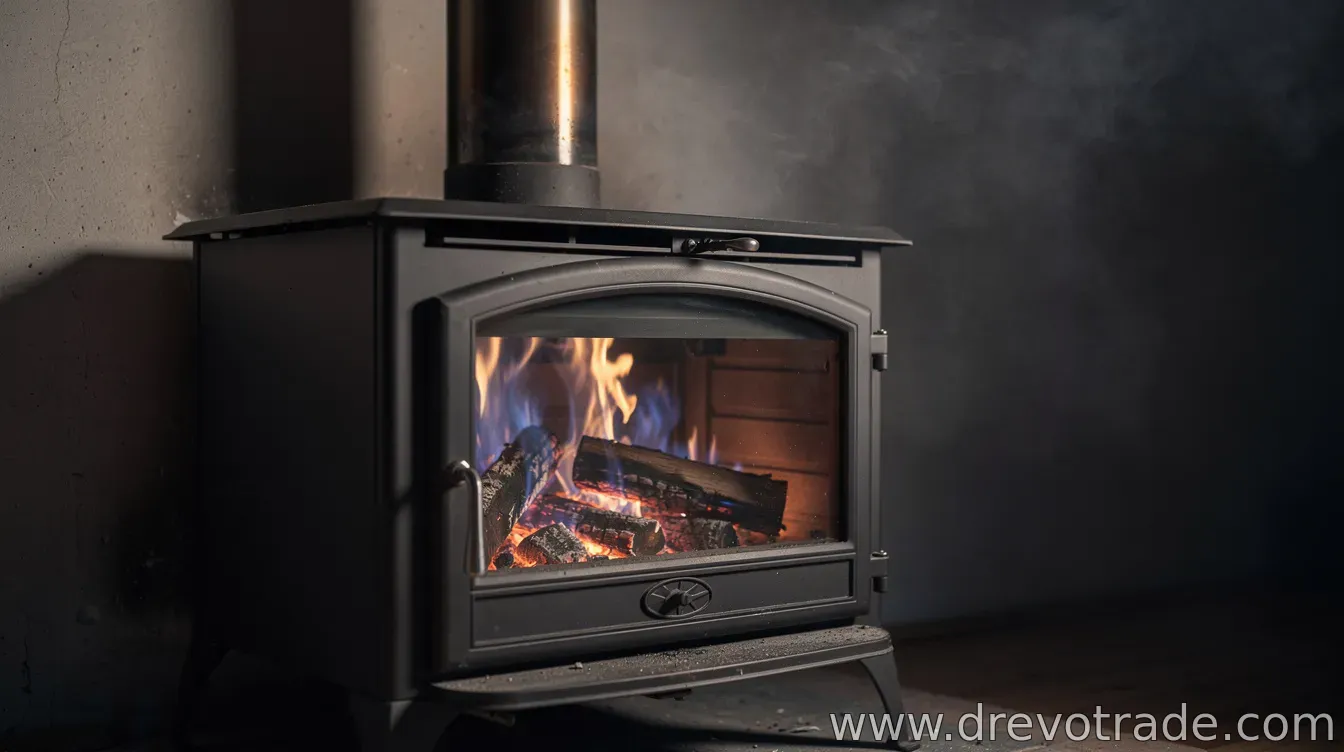
Wood heat can be clean and efficient, but smoke and soot usually signal incomplete combustion. When flames don’t get enough oxygen, or when the fuel is too wet, more of the wood’s energy leaves as particles and unburned gases—leading to smoky starts, black creosote, and sooty surfaces.
Below are practical steps homeowners can take to reduce smoke and soot while staying safer and more efficient.
1) Use the right wood—and dry it enough
The single biggest factor is fuel moisture. Wet or green wood takes energy to evaporate water, cooling the fire and encouraging smoldering. That incomplete burn creates more smoke and deposits.
Look for seasoned wood that has been dried outdoors with good airflow for at least several months (often longer for thicker logs). If you can, use a moisture meter; many homeowners aim for roughly 20% moisture or lower. Also avoid soft, moldy, or loosely stacked wood that traps mo
... Read more »
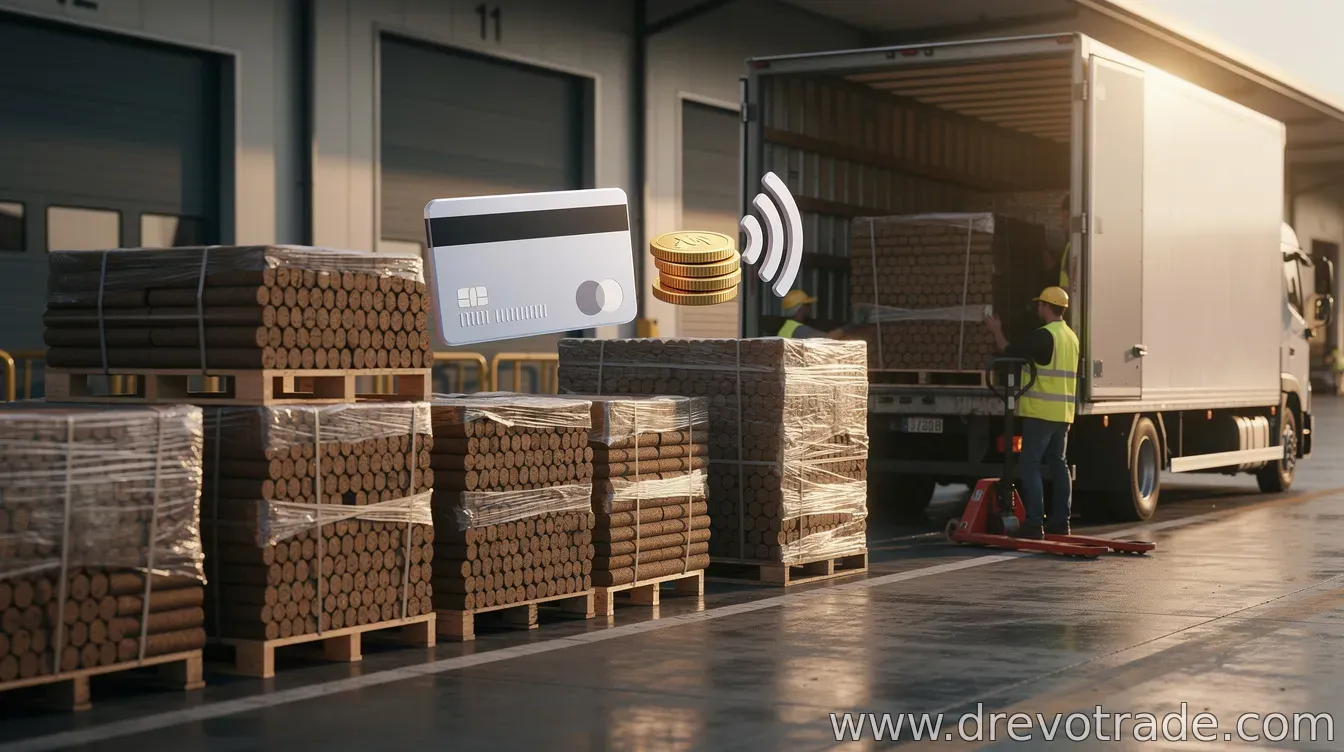
Ordering large amounts of firewood or briquettes—whether for a household fuel stockpile, a commercial heating contract, or seasonal resale—often comes down to two practical questions: how the goods will be delivered and how the payment will be handled. Reputable suppliers typically offer several standard delivery and payment options designed for bulk logistics and smoother scheduling.
Delivery options for large orders
Bulk firewood and briquettes are usually delivered using equipment suited to weight, volume, and site access. The most common methods include scheduled drop-off with a delivery truck, tailgate unloading or forklift unloading at the destination, and larger-capacity transports where the supplier arranges the entire logistics chain.
For customers, the key details that affect delivery feasibility are access (gate width, road grade, turn radius), the distance from the truck to the unloading point, and the storage plan (on pallets, on a
... Read more »
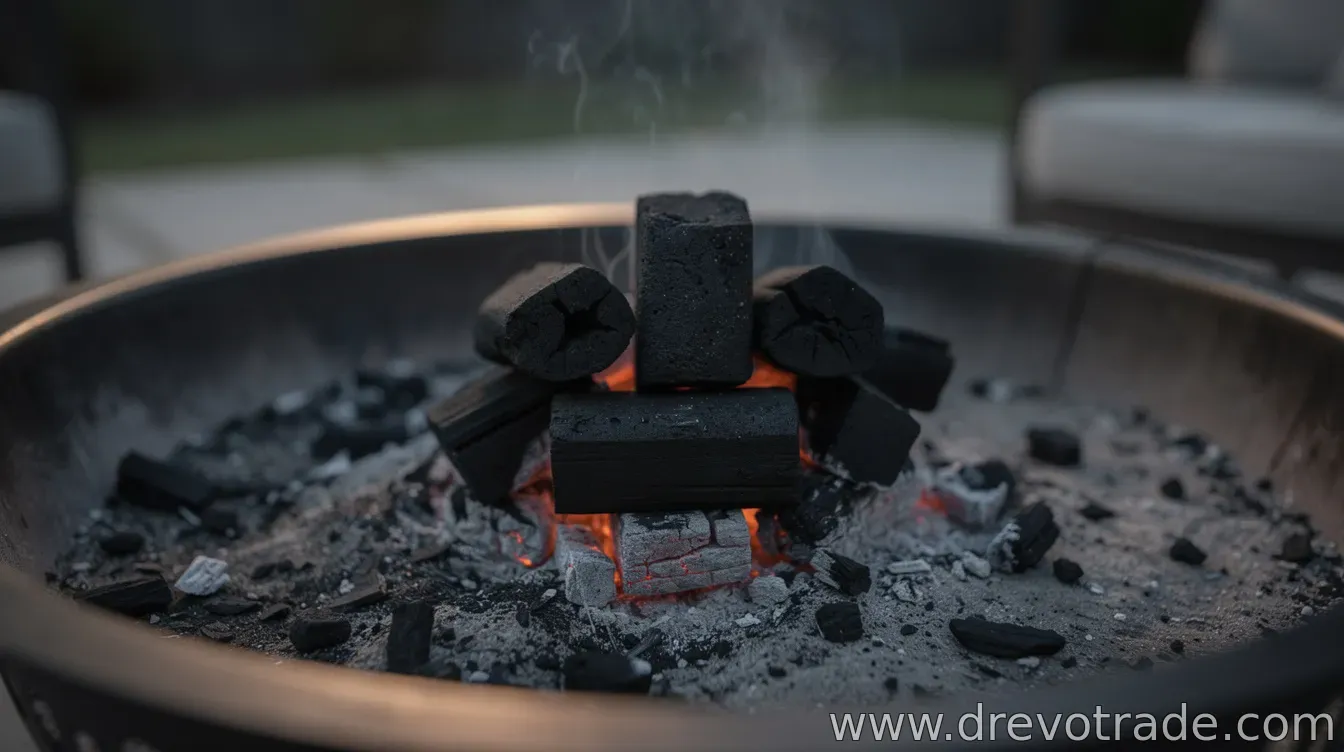
Getting briquettes burning well comes down to fundamentals: ignition, oxygen flow, and how the fire bed is built. Many “it won’t light” frustrations aren’t about briquettes themselves, but about a handful of predictable errors.
1) Starting with briquettes alone
Briquettes are designed to burn steadily once lit, but they’re not always great at catching fire immediately. A frequent mistake is skipping proper kindling or starter. Without small, dry material that ignites quickly, your briquettes may smolder instead of flame.
2) Using damp or poor-quality fuel
Even the best briquettes struggle if surrounding fuel is damp or if ash and old residue smother the initial airflow. Check your briquettes for dryness and make sure any paper, kindling, or fire starters are dry as well.
3) Blocking airflow (too-tight stacking)
A fire needs oxygen. Overpacking briquettes or stac
... Read more »