18:03 Fire Safety Tips for Using Wood Heating at Home |
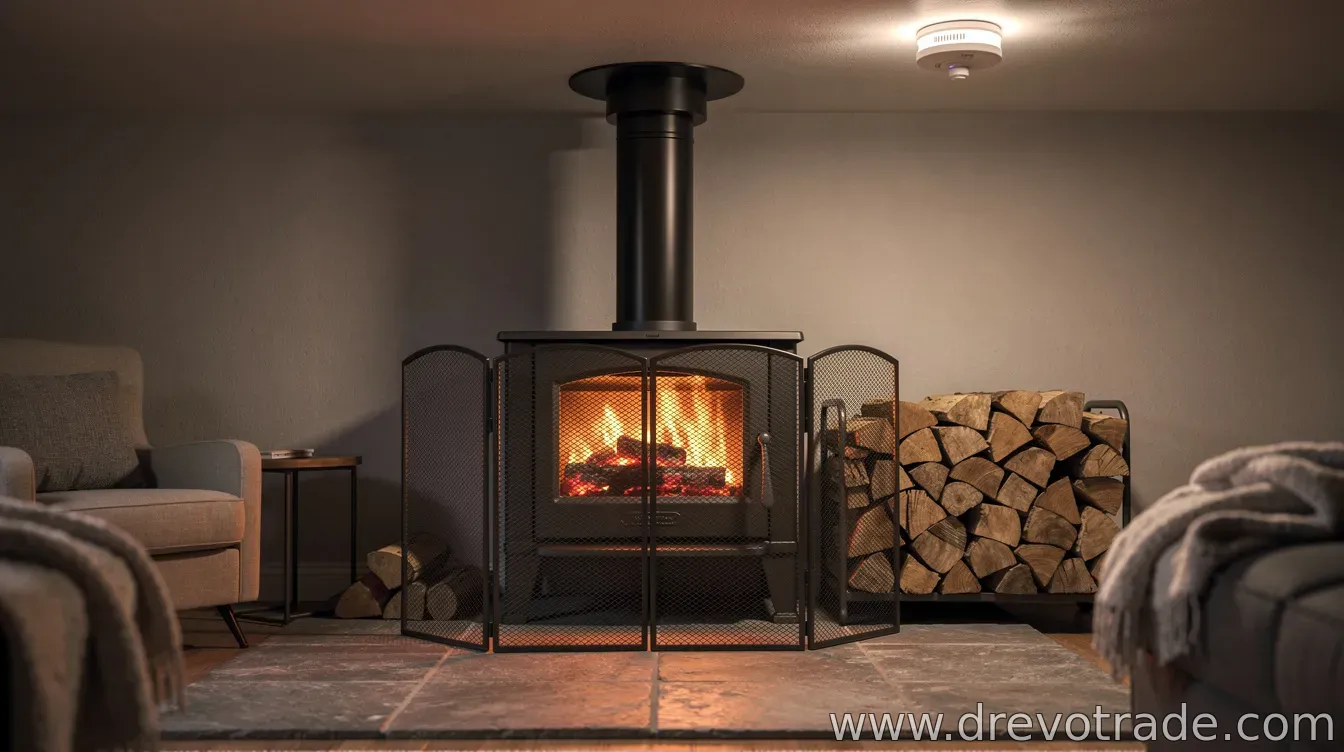 Wood heating is a popular way to warm homes, but it comes with preventable fire risks. The biggest threats usually involve ignition sources, creosote buildup, poor ventilation, and unsafe storage of combustible materials. By focusing on installation quality, routine maintenance, and safe day-to-day use, homeowners can significantly lower the chance of a chimney or house fire. Start with safe setup and installationUse a qualified professional for stove and chimney installation when required by local codes. Ensure the stove is on the correct non-combustible surface and that clearance distances to walls, floors, ceilings, and nearby furnishings meet manufacturer and regulatory requirements. If you’re using a fireplace insert or wood stove, make sure the venting and chimney system are compatible and sealed correctly. Maintain the chimney to control creosoteCreosote—an oily, flammable residue that forms in chimneys—can ignite if it accumulates. Have chimneys and flues inspected regularly and cleaned when needed. Pay extra attention if your wood is damp, the stove runs cool, or you frequently “bank” the fire overnight, because cooler, smoky burns tend to create more creosote. Burning dry, seasoned wood helps as well. Use properly stored firewood (covered and off the ground) and avoid burning trash, treated or painted wood, or household materials that can release hazardous fumes and burn unpredictably. Use safe fueling and operating habitsNever overload the stove or fireplace with more wood than the unit is designed to handle. When loading fuel, follow the manufacturer’s instructions and keep the fire tended so it burns efficiently rather than smoldering. Maintain correct airflow settings and avoid closing dampers too soon, which can increase smoke and creosote formation. Keep the stove door and ash pan secured as directed by the unit. Do not leave the stove unattended when refueling or when using accelerants. If you use kindling, use only appropriate fire starters and keep them away from the stove’s ignition area until you are ready to light. As a general rule, keep combustible items—paper, cardboard, rugs, curtains, and extra firewood—well away from the stove and hearth. Firewood storage should be outside living spaces and far enough from heat sources to avoid accidental ignition. Protect your home with early detection and clear evacuation plansInstall working smoke alarms on every level of your home and near sleeping areas. Consider adding carbon monoxide (CO) detectors, especially if the stove is not vented safely or if the chimney isn’t drawing properly. Test alarms regularly and replace batteries as needed. Have a fire escape plan that everyone understands. Know how you will get out if the primary route is blocked, and practice the plan at least once a year. Keep a clear pathway to exits and make sure doors are not obstructed by furniture or stored items. Finally, keep appropriate fire-safety equipment nearby. A properly rated fire extinguisher and a metal tool for handling logs or ash can help in small emergencies. For ash disposal, use a metal container with a tight-fitting lid and store it outdoors on a non-combustible surface until it is completely cool. Wood heating can be safe when you treat maintenance and safe operation as routine. If anything seems off—smoke backing into the room, strong odors, unusually hot surfaces, or difficulty drawing—stop using the system and have it inspected before continuing. |
|
|
Related materials:
![]()
![]()
| Total comments: 0 | |