10:59 Is switching from gas to wood heating financially worth it? |
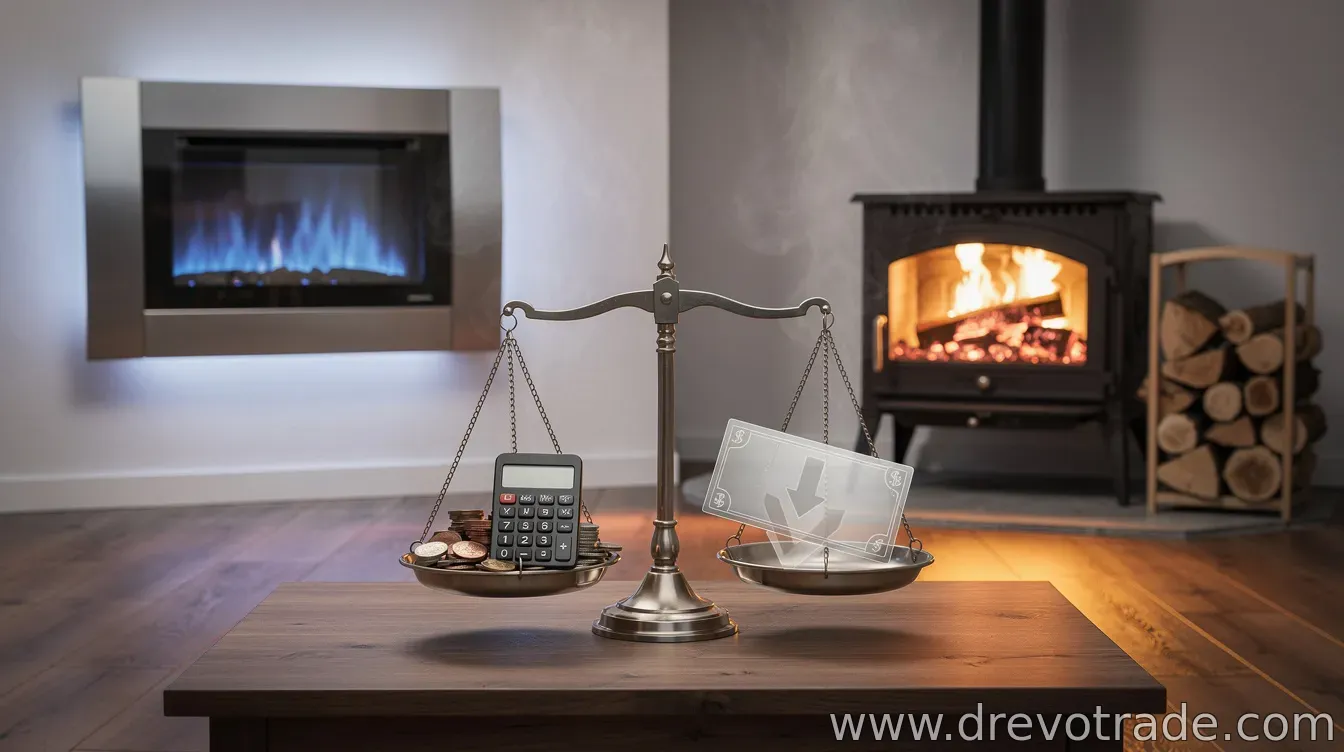 Deciding whether to switch from gas to wood heating is mostly a numbers question—but it’s also shaped by availability, efficiency, and compliance requirements. Wood can be cheaper than gas in many regions, yet the total cost of ownership often hinges on how you source fuel, what stove or boiler you install, and how reliably you can keep the system running. For homeowners, the key financial concept is the break-even time: how long it takes for the savings on heating bills to pay back the equipment and installation costs. If that timeframe is shorter than your likely time horizon in the home, the switch may be worth it. 1) Start with your current heating cost per yearGather your last 12 months of gas bills (or an estimate based on energy usage and local gas prices). Convert everything to comparable energy units if possible, then estimate your typical annual heating demand. Many people overestimate savings by comparing fuel prices without accounting for differences in efficiency between gas systems and wood appliances. 2) Estimate wood costs realistically (not just the price per cord)Wood heating economics depend on whether your wood is dry and well-seasoned. Wet wood is less energy-dense, burns less efficiently, and increases the amount you need to buy or store. A “cheap” fuel source can become expensive if it reduces stove/boiler performance or increases maintenance. When pricing wood, include the cost of:
3) Factor in equipment and installation costsSwitching isn’t just buying a stove. Depending on your setup, you may need venting, a chimney liner, upgrades for air supply/clearances, electrical work, and removal or modification of existing heating components. High-efficiency wood boilers and pellet systems can reduce fuel use, but they usually carry higher upfront costs. In many cases, homeowners find the biggest determinant is whether they already have a usable chimney and whether the installation is straightforward or requires major modifications. 4) Don’t ignore ongoing costs and efficiencyEven if wood fuel is inexpensive, ongoing expenses can narrow the savings. Expect costs for chimney sweeping, stove/boiler servicing, and potential repairs. Also consider the efficiency gap: a modern gas system may operate very efficiently, while wood heating can vary widely based on appliance quality, user technique, and fuel dryness. Pellet heating can be more consistent than cord wood in terms of burn quality and automation, but it introduces commodity price risk and depends on reliable pellet supply. Cord-wood systems can be cheaper in fuel terms if you have access to good wood—but require time and careful operation. 5) Check local rules, permitting, and incentives Financial calculations can change if permits are required, if certain appliances are restricted, or if emissions standards limit what you can install. Some regions offer incentives or rebates for cleaner wood systems or for switching from fossil fuels—potentially improving the economics and reducing the break-even period. Conversely, if you can’t legally install or operate the system you want, the “worth it” answer changes quickly. How to decide: a simple break-even approach Here’s a practical way to estimate whether switching is financially worth it:
If the break-even time is within a reasonable horizon for you—often 5–10 years, depending on how long you plan to stay in the home—the switch may be financially justified. If it’s longer, you’d likely need either cheaper wood, improved efficiency, incentives, or a scenario where gas prices rise. Bottom line Switching from gas to wood heating can be financially worth it, especially when wood is affordable, dry, and supply is reliable—and when installation costs are manageable. But if your wood supply is uncertain, your upfront installation is expensive, or regulatory hurdles are significant, the savings may not offset the total cost of ownership. If you share your region, your approximate annual gas usage (or bill totals), and the type of wood heating you’re considering (cord wood stove, wood boiler, or pellet system), you can estimate a break-even point more accurately. |
|
|
Related materials:
![]()
![]()
![]()
| Total comments: 0 | |