12:01 Firewood Heating Costs This Season: A Practical Estimate | |
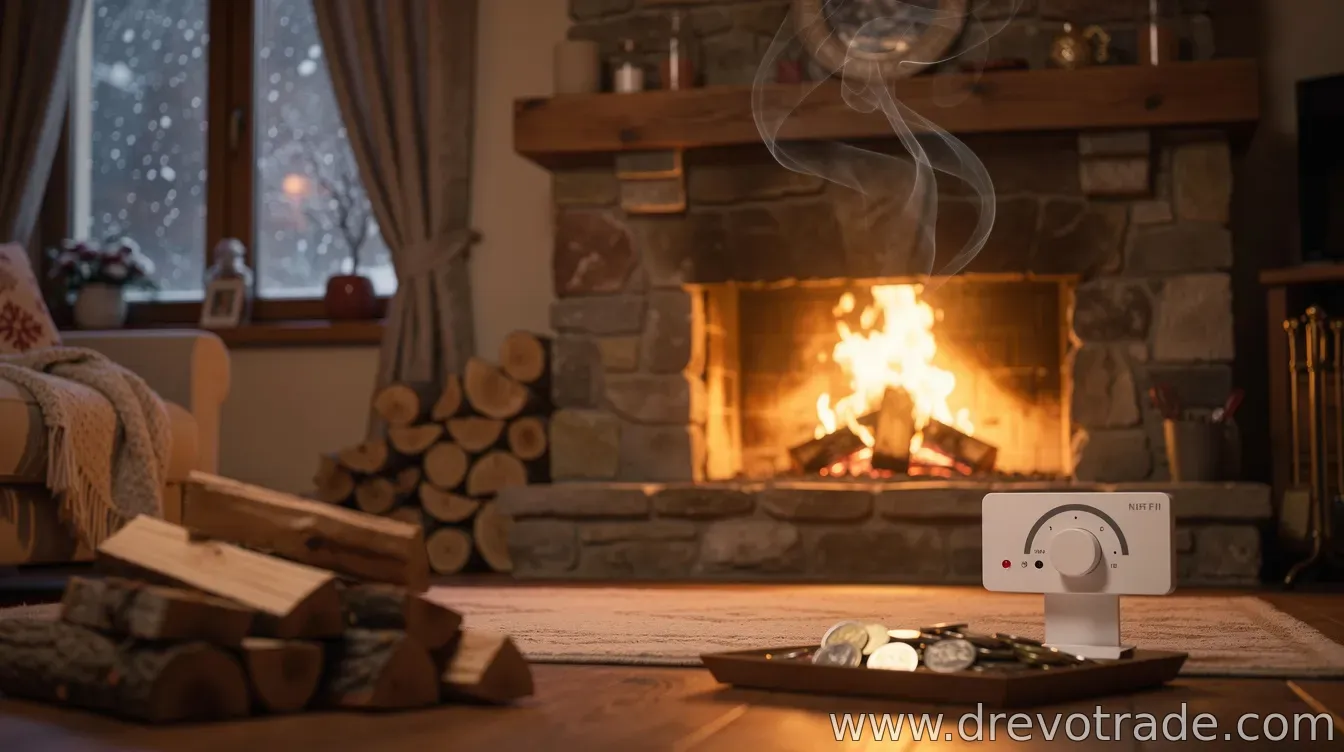 Heating a home with firewood this season can be cost-effective, but it isn’t one fixed number. Your total expense will vary based on wood cost in your area, the type of stove or fireplace you use, how dry the wood is, and local weather and home efficiency. Because firewood is sold in different ways (cords, face cords, or by the bundle), the most useful approach is to estimate how much wood you’ll burn and then multiply by your local price per unit. Step 1: Know how firewood is priced where you liveMost regions price firewood by the cord. A full cord is commonly 4 ft × 4 ft × 8 ft (128 cubic feet). Some sellers use a “face cord” (often 4 ft × 8 ft × varying depth), so always confirm the volume. If you see a “per bundle” or “per pickup load” price, ask for approximate volume or typical cord-equivalent. For budgeting, you can convert everything to $ per cord using the seller’s stated measurements or common local conversions. Step 2: Estimate your annual wood useHow much firewood you’ll need depends on your heat demand and the efficiency of your heating system. As a rule of thumb, many homes burn anywhere from 2 to 6 cords per heating season. Better-insulated homes and efficient, EPA-certified wood stoves generally land on the lower end; older homes and drafty buildings can land higher. A useful planning range for many U.S. climates:
If you’re using a traditional open fireplace, consumption can be significantly higher because efficiency is often low compared with modern stoves. Step 3: Calculate a simple “season total”Once you have an estimate for cords per season and your local cost per cord, the math is straightforward: Season heating cost ≈ (cords per year) × ($ per cord) Example budgeting scenarios (illustrative):
These ranges are why homeowners often report totals from the low hundreds to a few thousand dollars—depending on the home and local wood pricing. What changes the cost most?Three factors usually dominate your bill: 1) Stove efficiency. An EPA-certified wood stove typically delivers more usable heat than an open fireplace. That can reduce cords needed for the same comfort level. 2) Wood dryness. Burning properly seasoned firewood matters. Wet or green wood wastes energy on evaporation, driving up the amount you burn. 3) Your home’s heat loss. Insulation, air sealing, window quality, and the home’s size all affect how many cords you’ll need. A “this season” reality checkBecause winter weather can be milder or harsher than average, two homes with similar layouts can end up burning different amounts. If you’ve used a wood stove before, one of the best methods is to review last year’s cord usage (or your best estimate) and adjust for: (a) any upgrades you made, (b) changes in stove operation, and (c) expected temperature differences. If you haven’t heated with wood before, start by planning for an intermediate range (for example, 4–5 cords for primary heat in many average homes) and then fine-tune as you learn burn rates over the first weeks. Tips to reduce costs without sacrificing comfortSmall operational changes can make a meaningful difference this season:
With these steps, you can often reduce cords needed and avoid overbuying—two common reasons firewood heating budgets run high. If you share your rough region/climate, home size, stove type (open fireplace vs. certified stove), and your local price per cord, I can help you produce a tighter estimate for what this season could cost. | |
|
| |
Related materials:
![]()
![]()
![]()
| Total comments: 0 | |