12:09 How to Stack Firewood for Faster Drying and Airflow | |
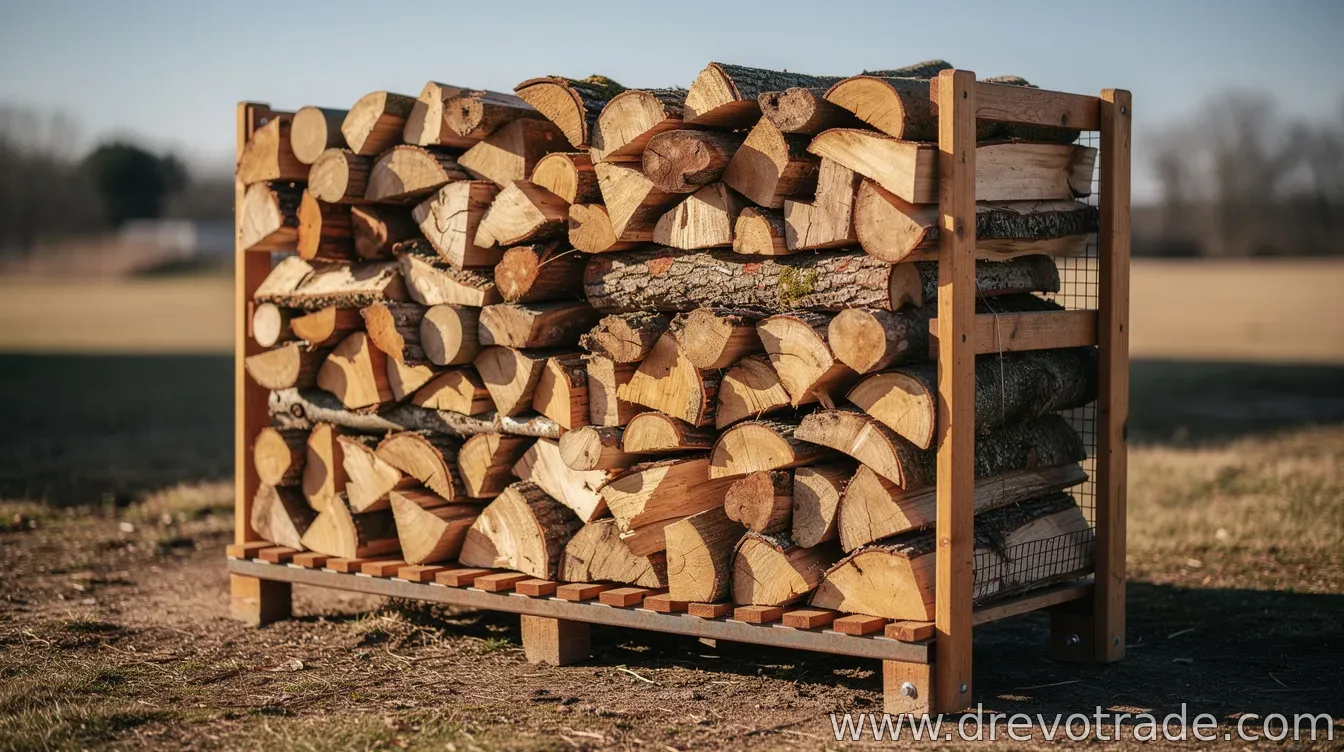 Stacking firewood correctly is one of the fastest ways to improve drying results. The goal is simple: keep air moving through the wood, protect it from heavy rain, and help more surface area dry evenly so you reach usable burn levels sooner. Start with the right location. Place your stack on level ground with good drainage to prevent pooling water at the base. If possible, choose an area that gets plenty of sun and has prevailing winds; these factors boost evaporation and airflow. Keep the stack close enough for convenience, but not pressed against fences, buildings, or dense vegetation where airflow can stall. Use airflow-focused base and spacingElevate the bottom layer by using rails, pallets (untreated), or small supports so air can circulate under the wood. Avoid setting logs directly on bare soil, which can trap moisture and encourage rot. Then build your stack with deliberate gaps: leave space between pieces so air can move across the exposed surfaces, especially through the ends where moisture escapes efficiently. When stacking, keep the ends accessible. If you can, arrange logs so most pieces have exposed end grain to the outside of the stack. End grain dries faster than face grain, and maximizing it increases the surface area actively releasing moisture. Pick a smart stacking styleA simple, effective approach is to stack in rows with “stickers” (small dry pieces of wood) between layers if you’re stacking wider than a single narrow row. Stickers create internal channels that improve airflow and reduce the chance that layers seal together. For many home setups, a raised, narrow stack with vertical, breathable sides works better than a large, tight block. Consider using a crisscross or split-basket pattern for stability while maintaining gaps. Crisscrossing can help shed rain and reduce direct water penetration, but don’t over-tighten the arrangement—wood should still be able to breathe. If you’re stacking more than one level high, ensure the structure is stable so it doesn’t compress as it settles. Protect from rain, but vent everywhereCovering is important, but how you cover matters. Use a roof-like cover (tarp or metal/wood cover) over the top to divert heavy rain, while keeping the sides open for airflow. Avoid wrapping wood completely in plastic. Trapped moisture can increase humidity around the logs and slow drying, undermining the airflow benefits. Leave some gaps under the cover so air can move upward and out. If you use a tarp, angle it so water runs off and doesn’t pool on top. Also keep the cover from touching the wood too tightly; contact points can create damp zones. Keep the stack consistent and monitor progressBuild your stack to allow wind to pass through. Periodically check for areas that look darker or remain damp longer—these often indicate poor airflow, tight packing, or too much water exposure. Rearranging only problem sections can be faster than rebuilding the entire stack. Finally, remember that moisture content is what determines burn quality. Even with good stacking, thicker, denser, or recently cut wood will take longer to dry. If you want faster results, start with split logs (which have more surface area) and stack them as soon as possible after cutting. With a well-drained location, raised base, breathable spacing, and a top cover that sheds rain without sealing the stack, you’ll create the airflow conditions firewood needs to dry more quickly and burn more cleanly. | |
|
| |
Related materials:
![]()
![]()
![]()
| Total comments: 0 | |