12:13 Indoor vs outdoor briquette storage: does it matter? | |
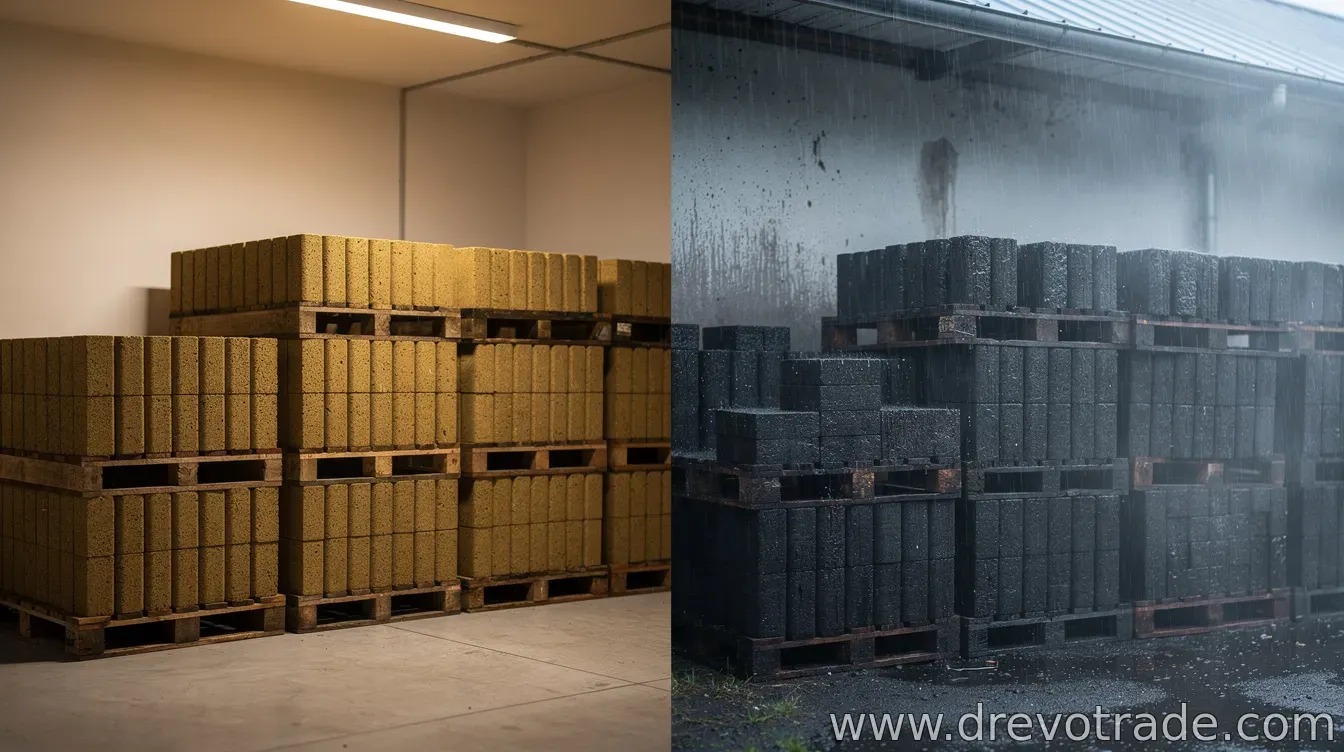 Briquettes are designed to burn efficiently, but their performance depends heavily on dryness. The big difference between indoor and outdoor storage isn’t the briquette material itself—it’s exposure to moisture from rain, ground water, and ambient humidity. When briquettes absorb water, they often become harder to light, produce more smoke during ignition, and may burn less cleanly. In practice, that means longer kindling times and a less consistent heat output across a load. Why indoor storage is usually saferKeeping briquettes indoors—garage, shed, or a dedicated storage room—reduces the most common moisture sources: direct rainfall, splashing, and rising damp from concrete floors. It also limits humidity spikes that can occur outdoors when temperatures change rapidly. Even inside, placement matters. Storing briquettes on an elevated surface away from exterior walls and keeping them sealed or wrapped when possible can further reduce the risk of condensation. When outdoor storage is still workableOutdoor storage can be acceptable if you treat briquettes like any other moisture-sensitive fuel: protect them from precipitation and ground dampness while avoiding a “sealed box” that traps humid air. A well-ventilated cover that fully sheds water is typically more effective than a tarp that sits in the rain and pools runoff. The most reliable approach is to store on a pallet or raised platform, keep stacks off the ground, and use a cover that extends beyond the edges to block wind-driven rain. If you’re covering pallets, ensure water can’t pool on top. Moisture control: the practical checklistRegardless of location, you can reduce moisture uptake with a few habits:
If you regularly notice a musty smell, visible clumping, or noticeably darker briquettes, moisture is likely creeping in. In that case, drying time and burn consistency can suffer even if the briquettes are “not soaked.” Bottom line: does it matter?Indoor storage usually makes the biggest difference by minimizing rain exposure and humidity swings. Outdoor storage doesn’t have to be a deal-breaker, but it requires better physical protection and careful placement to prevent water ingress and condensation. If you’re choosing between the two and you have the space, indoor storage is the lower-risk option for consistent lighting and cleaner, more predictable burning. If outdoor storage is your only option, prioritize elevation, a proper rain-shedding cover, and airflow so briquettes stay dry over time. | |
|
| |
Related materials:
![]()
![]()
![]()
| Total comments: 0 | |