16:04 Why Dry Wood Burns Hotter and Cleaner: The Science | |
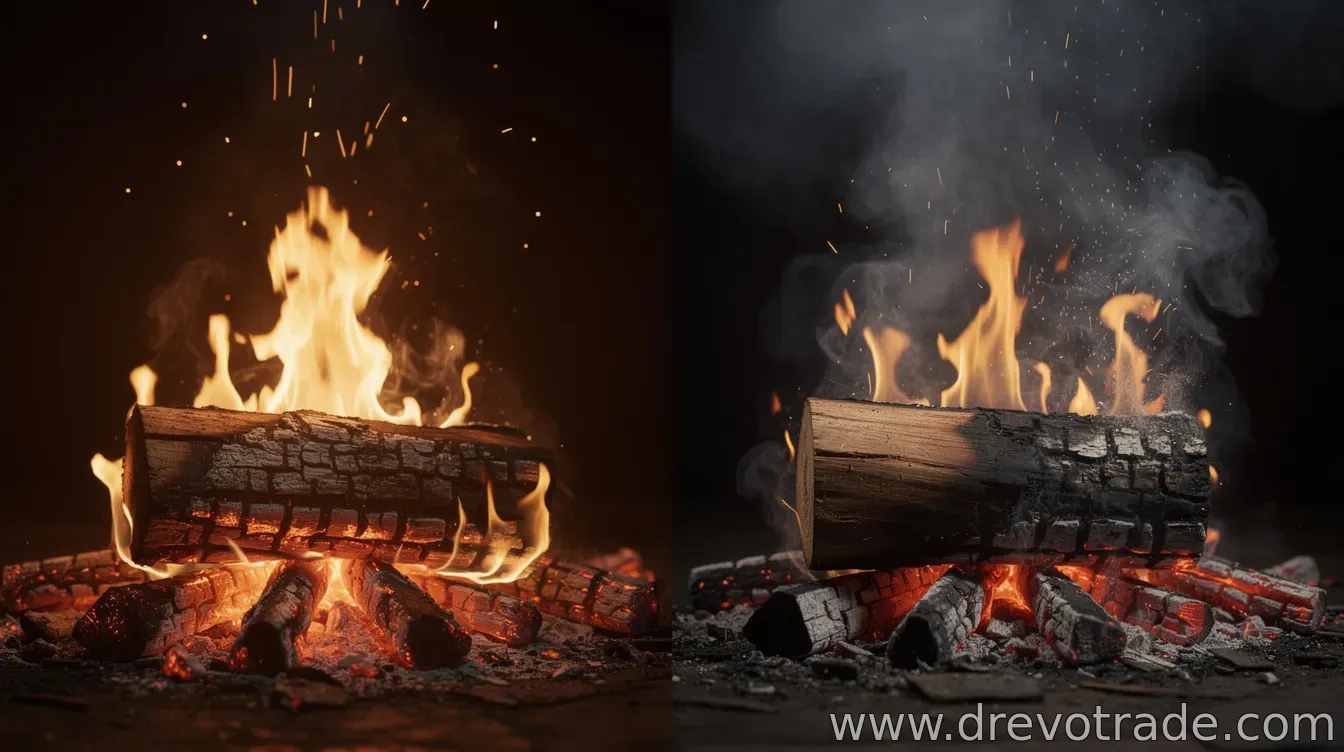 People often notice it firsthand: seasoned, dry firewood flares up quickly, stays lively, and produces less smoke than damp wood. The difference comes down to how combustion works in real time—especially what the wood’s moisture is doing to the heat and chemistry of the flame. When wood burns, it first undergoes thermal decomposition (often called pyrolysis). Heat from the fire drives the wood to release combustible gases and char. Those gases then mix with oxygen and ignite, producing the flames and the majority of the heat. Moisture matters because wet wood must “pay” energy up front. Before much of the released gases can ignite efficiently, the fire has to heat the water in the wood and convert it to steam. That energy draw can suppress the flame temperature and slow the release and burning of volatile gases. Dry wood: less energy wasted, higher temperaturesIn practical terms, drier firewood usually reaches a higher effective combustion temperature. With less water to evaporate, more heat goes into raising the temperature of the reacting gases and boosting the rate of pyrolysis. Higher temperatures generally support more complete combustion, converting more fuel carbon into carbon dioxide (CO2) rather than leaving it as soot or unburned particles. Cleaner burning: fewer incomplete-combustion productsIncomplete combustion is a major driver of smoke. Damp wood cools the combustion zone and can prevent volatile gases from fully mixing with oxygen long enough to burn completely. The result is more visible particulate matter (soot) and more hydrocarbons—both of which contribute to smoke and lower air quality. Dry wood can also sustain a steadier flame. A stable flame improves oxygen availability and residence time—how long gases spend in the hot zone—making it more likely that combustion reactions finish more completely before the products cool. What “hotter and cleaner” looks like at the chimneyBecause the combustion is more complete, dry wood fires typically produce less creosote-forming residue on chimney walls. Creosote forms when cooler flue gases carry partially combusted compounds that condense and deposit. Damp wood’s lower temperatures and additional steam can increase the chance of that incomplete chemistry, raising the risk of buildup. Dry wood still creates byproducts—combustion always produces some gases and particulates—but the balance shifts. Cleaner burning means less smoke, fewer fine particles, and fewer unburned volatiles escaping up the flue. How to make wood behave more like “dry wood”The most reliable path is using properly seasoned fuel. Seasoning reduces moisture content and brings wood closer to the conditions where it can ignite quickly, burn efficiently, and sustain hotter combustion.
In short, dry wood “burns hotter and cleaner” because it reduces the heat sink of evaporation and supports more complete combustion chemistry. The flame runs at higher temperatures, gases ignite more fully, and fewer soot-forming and residue-forming compounds escape into the smoke. | |
|
| |
Related materials:
![]()
![]()
| Total comments: 0 | |