13:11 Heating a room with Pinikei briquettes: how to effectively and safely | |
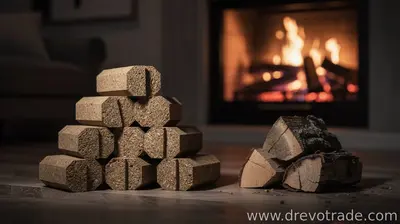
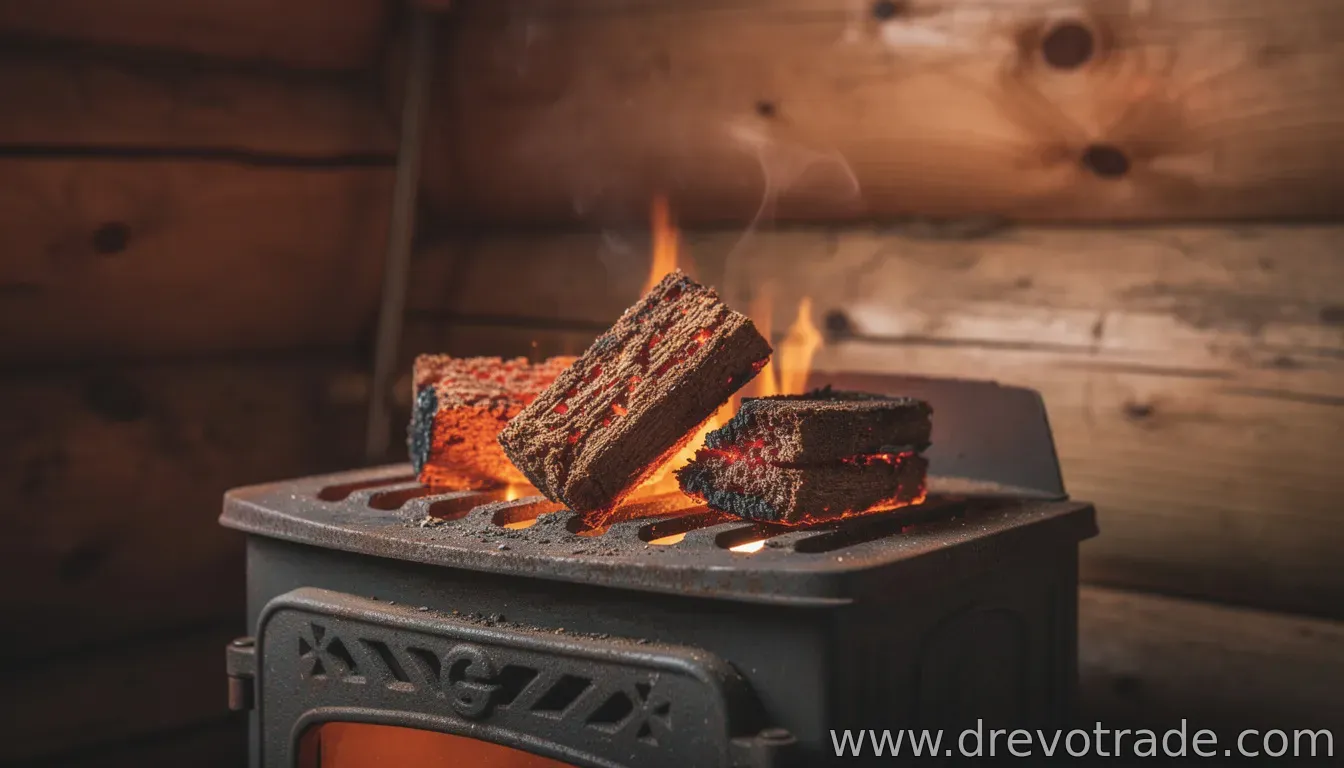 Pinikey briquettes are becoming a popular heating option for small spaces due to their consistent heat output and ease of use. In this article, we'll explore the main advantages, risks, and practical tips for use. What are Pinikey briquettes and how do they differ from traditional coal or firewood? They are compact bales of wood fuel made from compressed wood waste and resinous components. They burn evenly, produce a stable temperature, and require less storage space than firewood. However, they work best in equipment designed for this type of fuel. Before use, ensure that your heating device is compatible with Pinikey briquettes. Check the stove or fireplace's data sheet and the manufacturer's instructions. Unsuitable fuel may result in reduced efficiency, overheating, or carbon monoxide formation. The advantages of using briquettes include high combustion density, reduced ash formation, and ease of transportation and storage. Cons: The need for ventilation and compliance with safety regulations when burning, as well as the potential cost compared to firewood, varies by region. Safety and ventilation are key. Ensure the room is properly ventilated and that combustion products are vented to the outside through the chimney. Regularly inspect the chimney for blockages and follow cleaning recommendations. Never block the vents, and monitor indoor CO levels with household detectors. How to properly clean and care for the briquettes? Store the briquettes in a dry place, protected from moisture. Do not use damaged or damp briquettes—they produce less heat and may emit unusual emissions. When using, follow the manufacturer's instructions for loading, combustion modes, and burning time. Bottom line: With proper equipment compatibility, cleaning, and ventilation, Pinikey briquettes can provide safe and efficient heating for small spaces. If unsure, contact a certified heating system professional. | |
|
| |
Related materials:
![]()
![]()
| Total comments: 0 | |