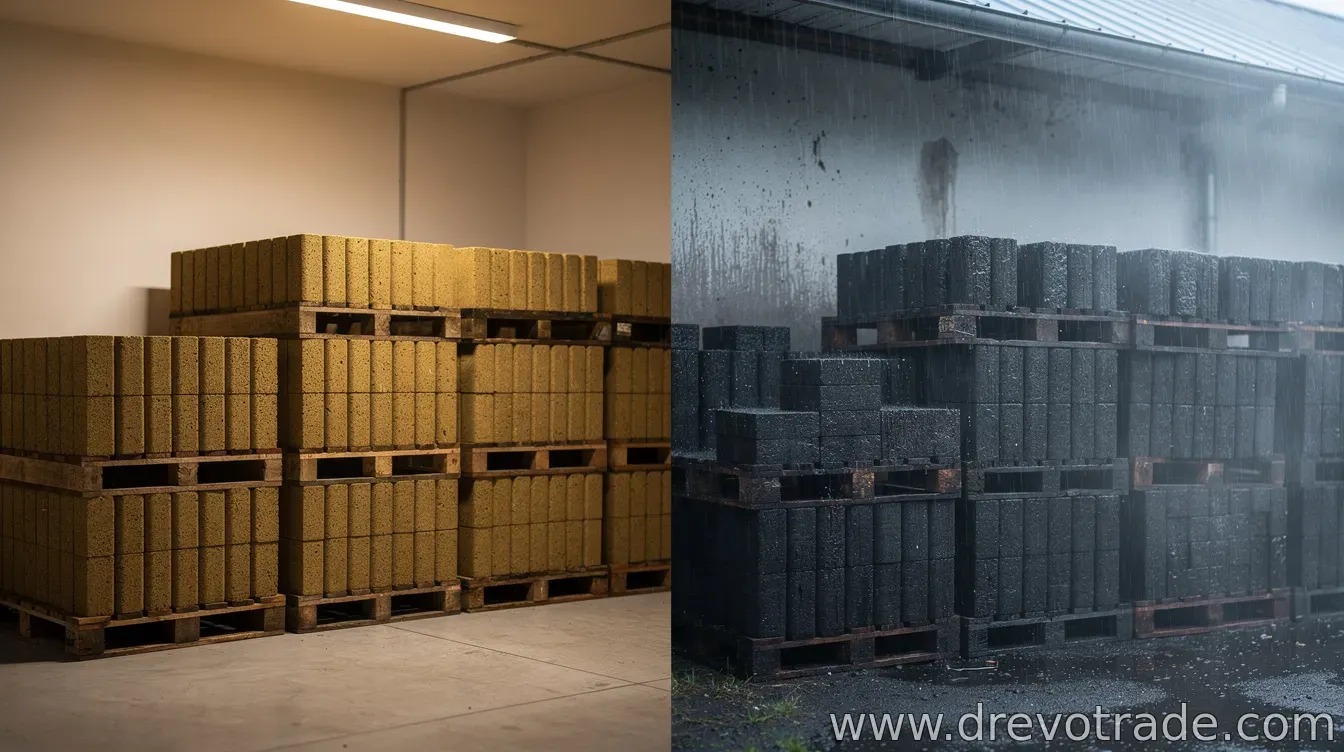
Briquettes are designed to burn efficiently, but their performance depends heavily on dryness. The big difference between indoor and outdoor storage isn’t the briquette material itself—it’s exposure to moisture from rain, ground water, and ambient humidity.
When briquettes absorb water, they often become harder to light, produce more smoke during ignition, and may burn less cleanly. In practice, that means longer kindling times and a less consistent heat output across a load.
Why indoor storage is usually safer
Keeping briquettes indoors—garage, shed, or a dedicated storage room—reduces the most common moisture sources: direct rainfall, splashing, and rising damp from concrete floors. It also limits humidity spikes that can occur outdoors when temperatures change rapidly.
Even inside, placement matters. Storing briquettes on an elevated surface away from exterior walls and keeping them sealed or wrapped when possible ca
... Read more »
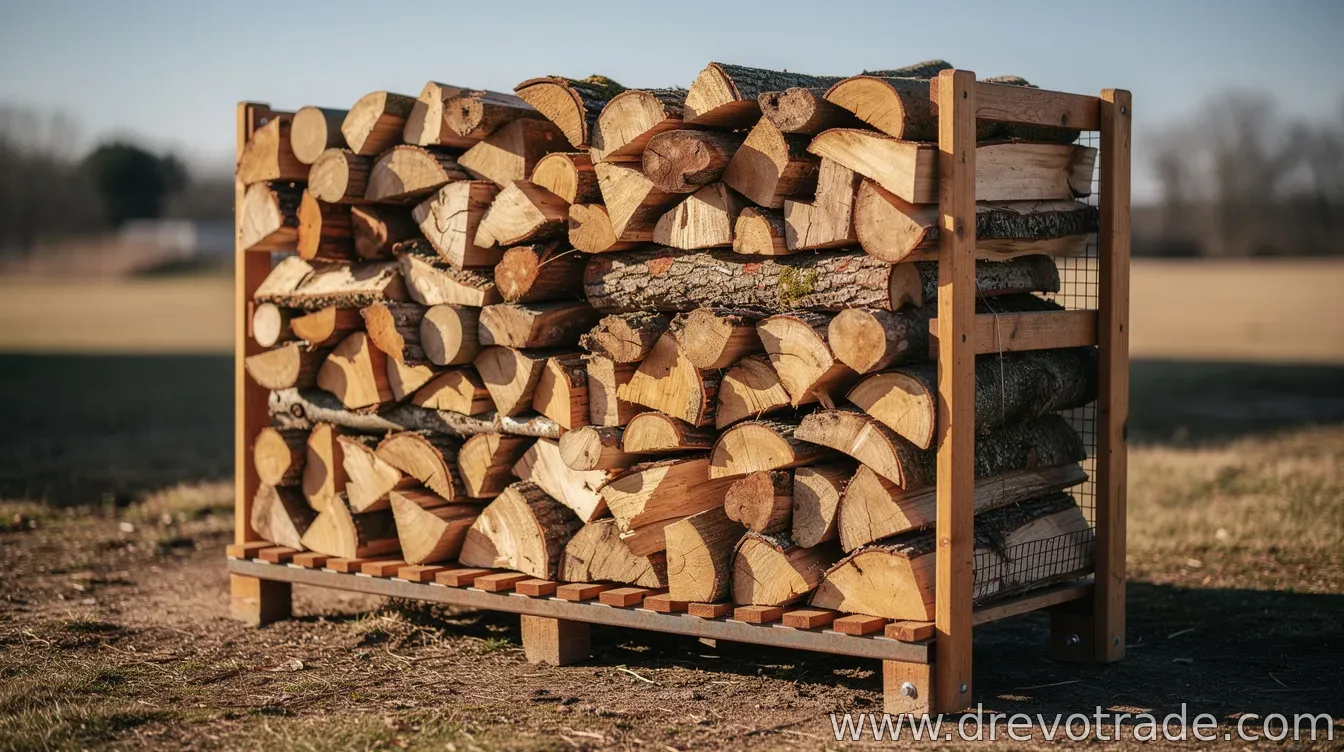
Stacking firewood correctly is one of the fastest ways to improve drying results. The goal is simple: keep air moving through the wood, protect it from heavy rain, and help more surface area dry evenly so you reach usable burn levels sooner.
Start with the right location. Place your stack on level ground with good drainage to prevent pooling water at the base. If possible, choose an area that gets plenty of sun and has prevailing winds; these factors boost evaporation and airflow. Keep the stack close enough for convenience, but not pressed against fences, buildings, or dense vegetation where airflow can stall.
Use airflow-focused base and spacing
Elevate the bottom layer by using rails, pallets (untreated), or small supports so air can circulate under the wood. Avoid setting logs directly on bare soil, which can trap moisture and encourage rot. Then build your stack with deliberate gaps: leave space between pieces so air can move across the exposed surface
... Read more »
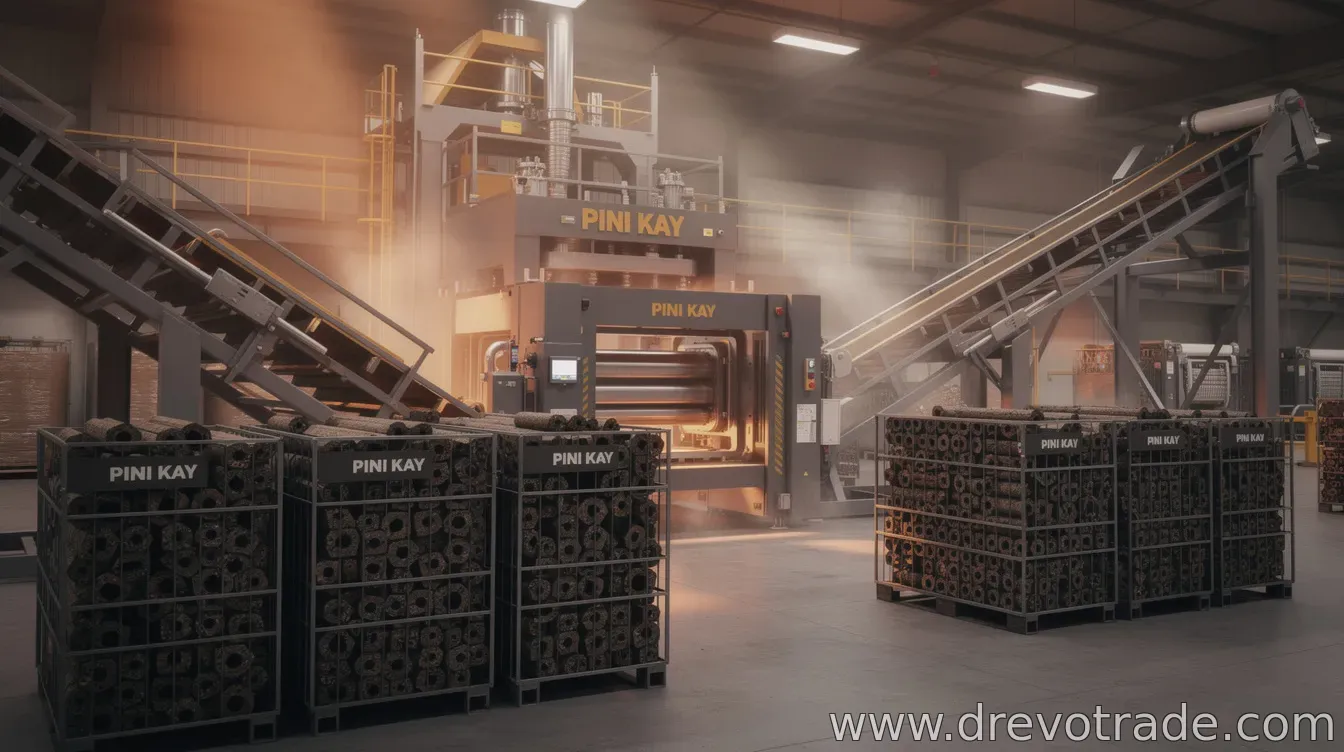
Production capacity for Pini Key briquettes is set to increase following an announced investment in additional processing and compaction capacity, the company said. The move is designed to raise monthly output while keeping product consistency and energy performance at current standards.
The expansion targets rising orders from residential heating users, commercial customers, and distributors seeking stable winter supply. By adding capacity at the production stage where briquettes are compacted and finished, the initiative is expected to reduce bottlenecks during peak demand periods.
According to the announcement, the project includes upgrades intended to improve overall line efficiency—helping cut downtime, streamline material handling, and maintain more uniform briquette density across production runs. Quality checks will be strengthened to ensure that moisture levels and durability remain consistent batch to batch.
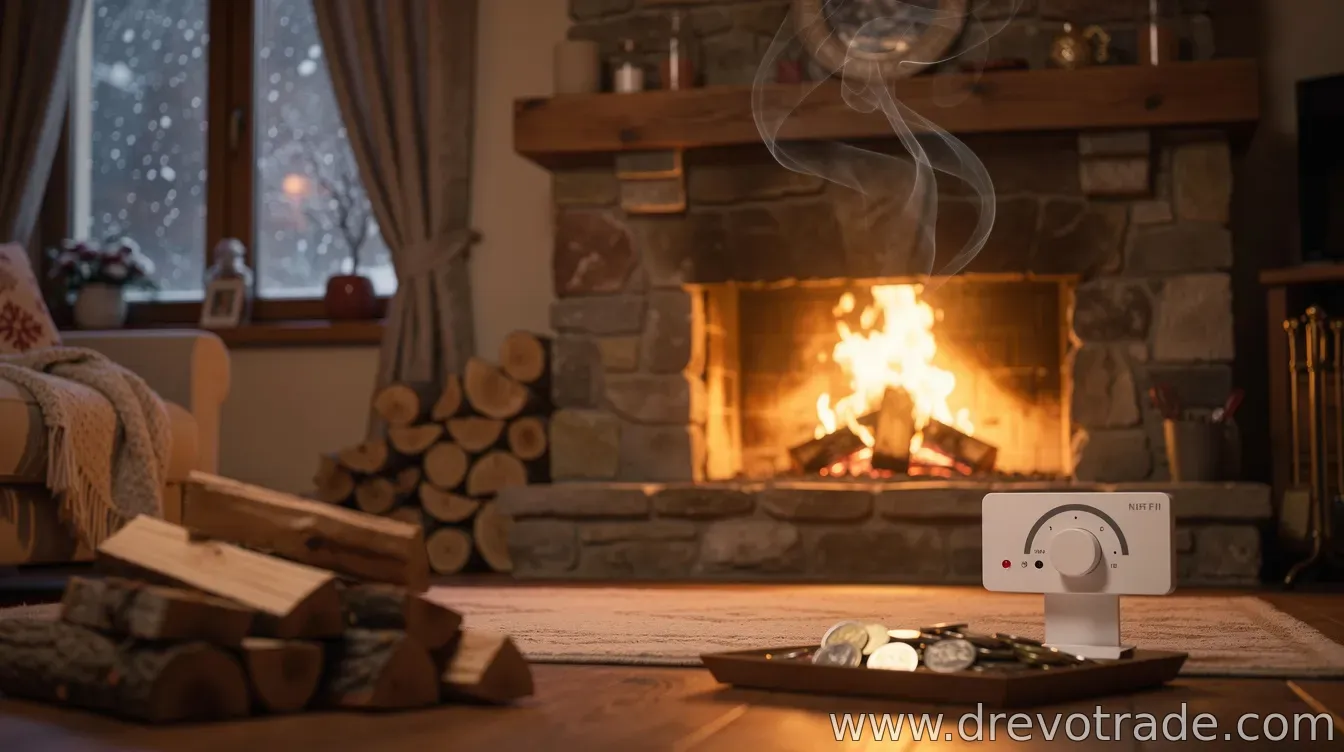
Heating a home with firewood this season can be cost-effective, but it isn’t one fixed number. Your total expense will vary based on wood cost in your area, the type of stove or fireplace you use, how dry the wood is, and local weather and home efficiency.
Because firewood is sold in different ways (cords, face cords, or by the bundle), the most useful approach is to estimate how much wood you’ll burn and then multiply by your local price per unit.
Step 1: Know how firewood is priced where you live
Most regions price firewood by the cord. A full cord is commonly 4 ft × 4 ft × 8 ft (128 cubic feet). Some sellers use a “face cord” (often 4 ft × 8 ft × varying depth), so always confirm the volume. If you see a “per bundle” or “per pickup load” price, ask for approximate volume or typical cord-equivalent.
For budgeting, you can convert everything to $ per co
... Read more »