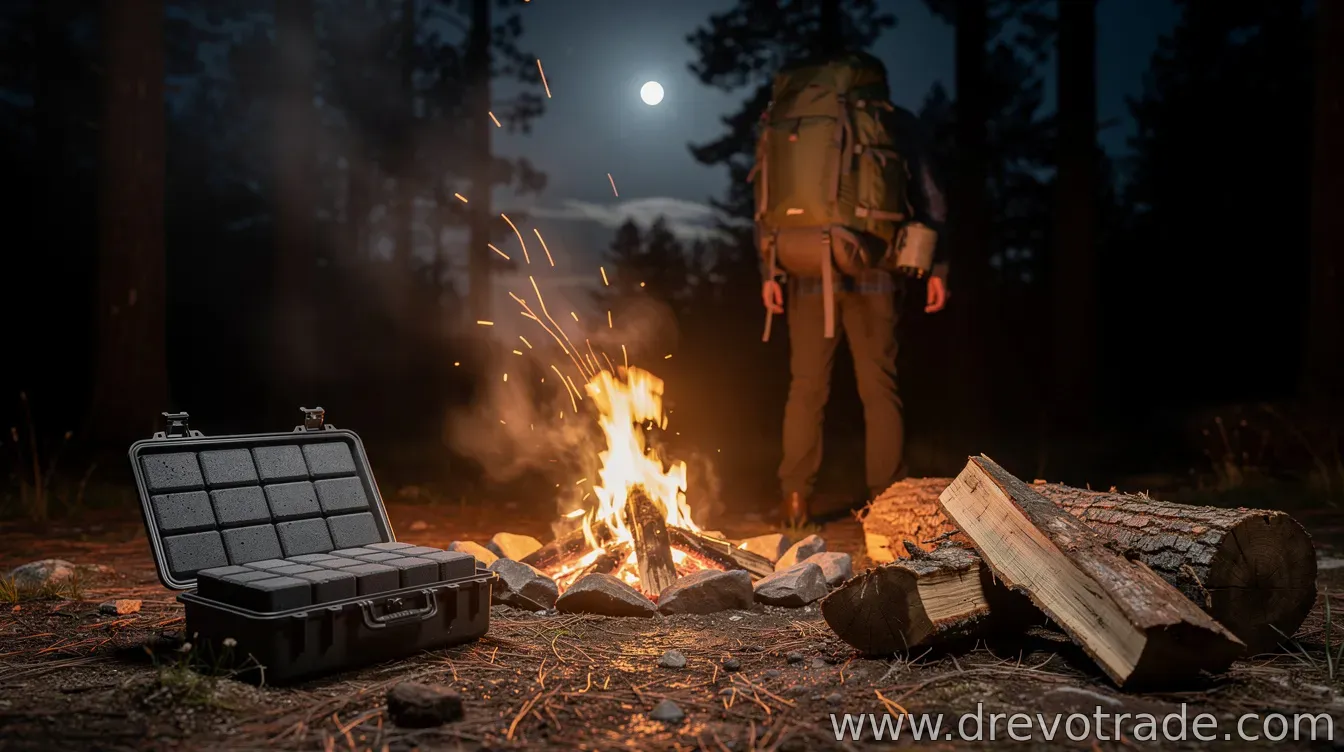
Choosing fuel for a camping trip is more than a preference—it’s logistics. When you’re hiking in, keeping the campsite tidy, or simply trying to avoid soggy fires, briquettes can be a smarter fit than traditional logs.
Here’s why briquettes tend to travel better than logs, and what that means for your next outdoor fire.
1) More consistent size and weight per “useable heat”
Many briquettes are manufactured to uniform dimensions, so you can estimate how much fuel you’ll need more accurately. With logs, fuel quality and thickness vary widely, which can lead to uneven burning and unpredictable heat output—especially with mixed or partially seasoned wood.
2) Better travel efficiency and easier packing
Briquettes are typically denser and can be packed more compactly in a bag or vehicle, with less wasted space. Logs often require bulkier packing, and awkward shapes make it harder to stack or secure
... Read more »
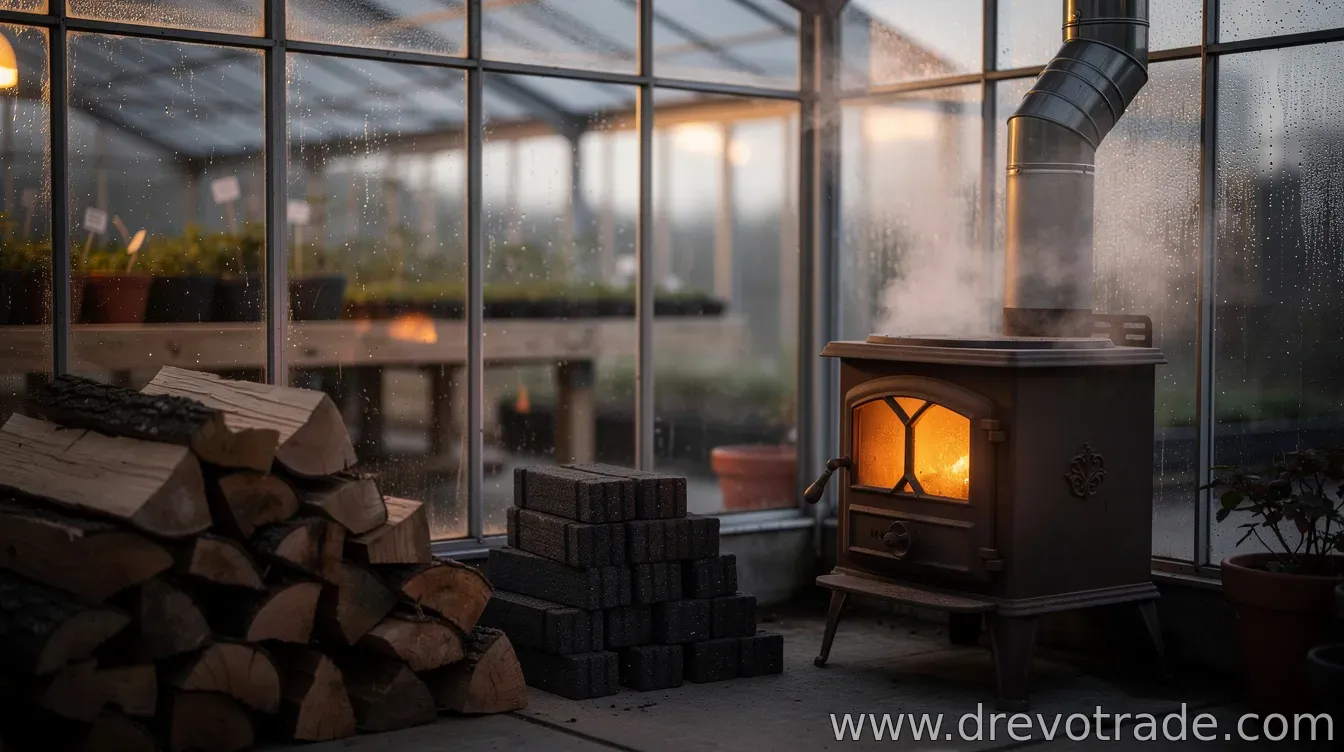
Heating a greenhouse with firewood or briquettes is possible, but it’s rarely a “set it and forget it” solution. Whether it’s practical comes down to how much heat your greenhouse actually loses, what temperatures you’re trying to maintain, and how much work (and storage space) you’re willing to handle.
In general, wood-based fuels can work best when the greenhouse is well insulated (double-layer glazing, tight seals, and thermal curtains at night). Without that, fuel burn will rise sharply, making costs—and smoke-control issues—harder to justify.
What determines practicality
The biggest drivers are heat demand and distribution. Greenhouses lose heat through glazing, ventilation leaks, and the ground. So even if you have a good stove, an uninsulated structure can drain fuel quickly. The second issue is delivering heat evenly: placing a heater in one corner may create hot and cold zones unless you use circulati
... Read more »
Choosing between RUF briquettes and Pini Key briquettes usually comes down to how you want them to behave in your stove or fireplace. While both are made from compressed biomass (commonly sawdust or wood waste), their manufacturing differences affect shape, density, ignition characteristics, and burn duration.
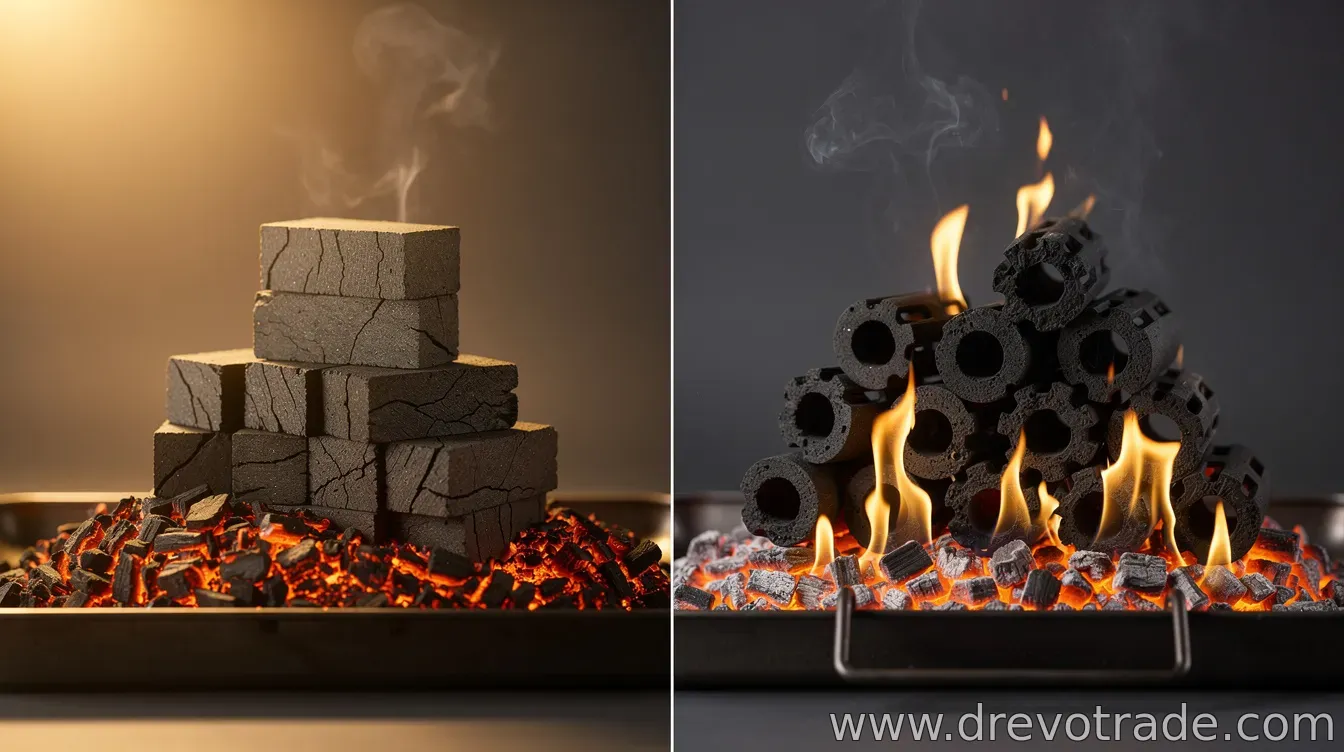
RUF briquettes are typically rectangular or block-like, produced by pressing material through a flat die. Pini Key briquettes, in contrast, are usually multi-sided and extruded (often described as star-like or polygonal), formed by a die that creates a tighter outer shell.
Shape and structure
RUF briquettes’ uniform block shape is designed for straightforward stacking and stable handling. Their cross-section is flat and consistent, which can make them easy to arrange in batch-fed stoves.
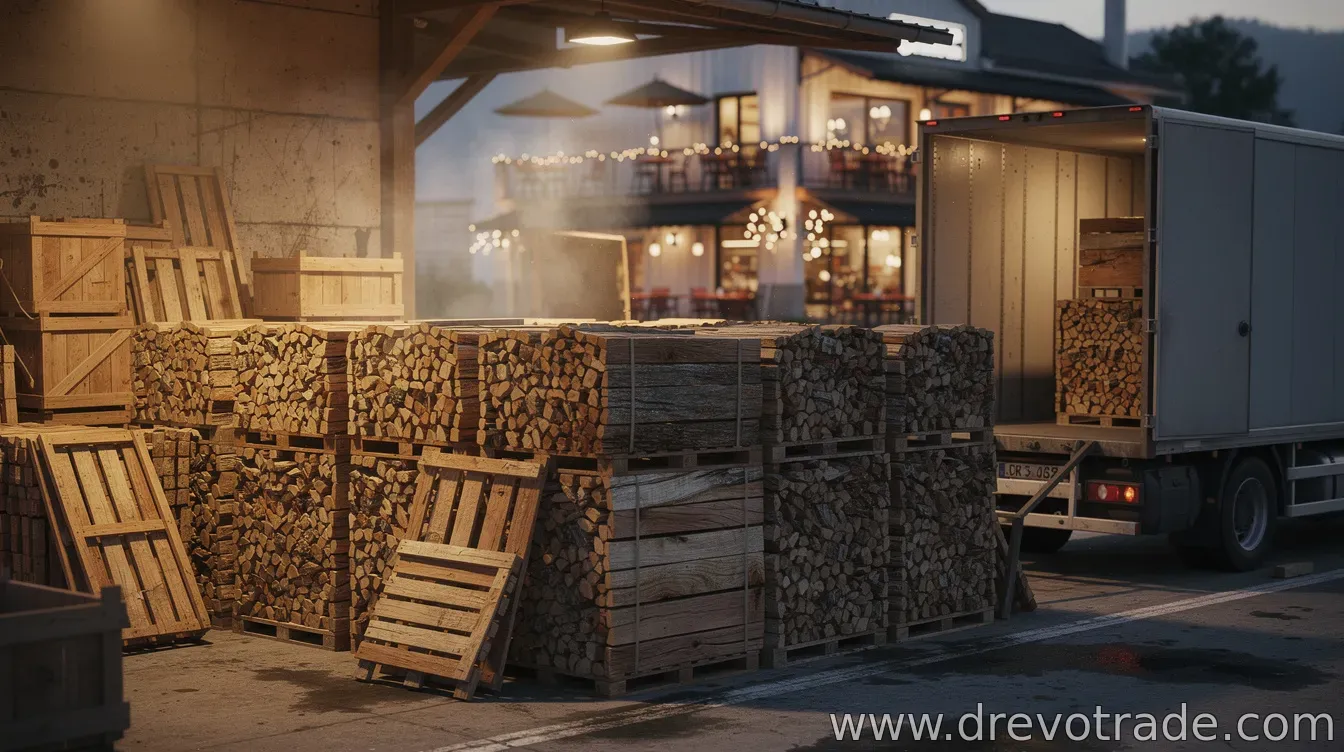
Restaurants and cafes that rely on wood-burning stoves, open hearths, or patio heaters face a recurring challenge: securing reliable bulk firewood supply without compromising burn performance, safety, or day-to-day operations. The right sourcing strategy can reduce downtime, stabilize fuel use, and improve customer experience.
1) Start with the “burn quality” requirements
Before negotiating volume pricing, confirm the wood’s intended use and target burn quality. For consistent flames and heat output, moisture content is a major factor—seasoned, properly dried wood generally burns more efficiently and produces less smoke and creosote than poorly dried alternatives. Ask suppliers about drying time, packaging standards, and how they measure moisture, and request documentation when possible.
Also consider fuel format. Split logs, bundled sticks, or kiln-dried options may align differently with cooking applications versus outdoor heaters.
... Read more »