14:33 Pini Key Briquettes: Raw Materials and What They’re Made From |
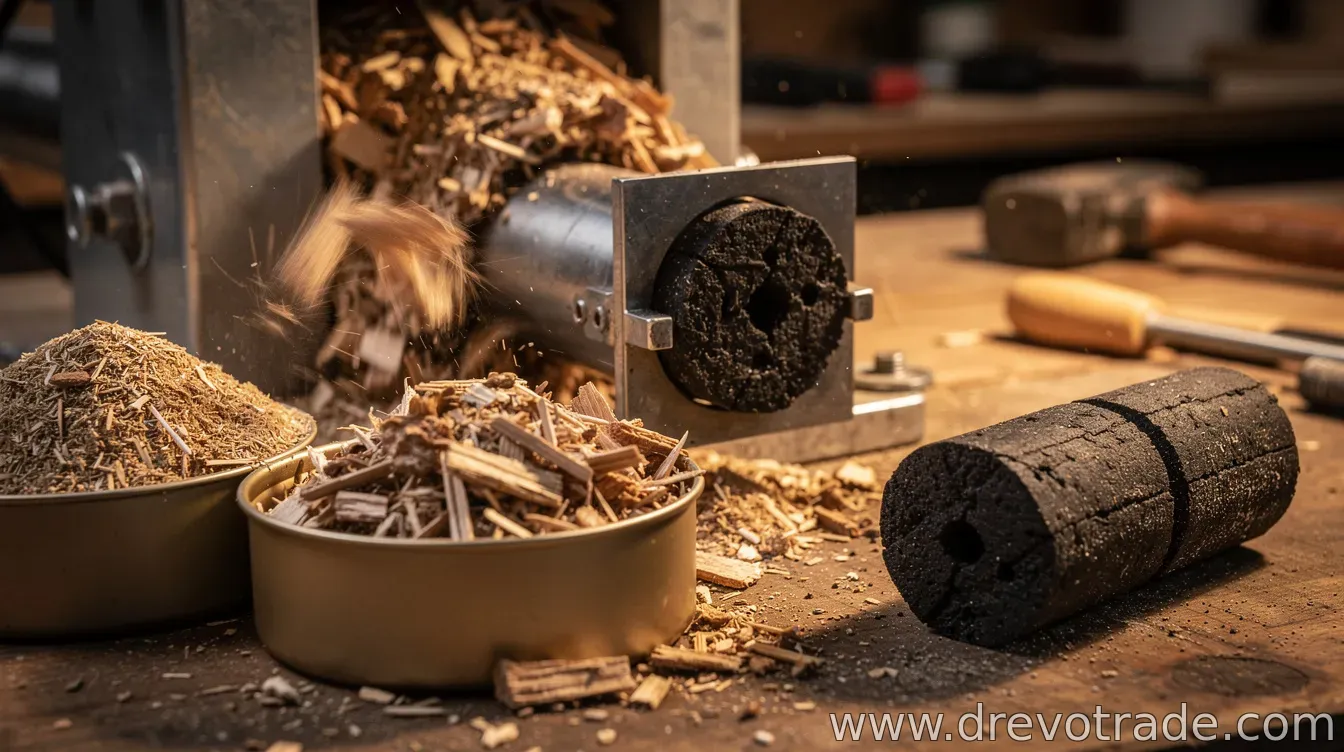 Pini Key briquettes—often recognized by their hard, polygonal “barrel” shape—are produced by compressing dry biomass materials and forming them under high pressure. In most manufacturing setups, the key factor is using consistent, low-moisture feedstock so the briquettes ignite reliably and hold their form during handling. Because briquettes are designed to be an energy-dense alternative to traditional fuels, producers generally rely on agricultural and forestry byproducts rather than primary wood harvesting. Most common raw materialsThe raw materials used for Pini Key briquettes are typically one or more of the following dry biomass residues:
Many producers also prefer feedstock that is free from contaminants (such as excessive bark, dirt, or mixed materials) to help achieve stable combustion and quality. How binding and composition workPini Key briquettes are formed in a way that often relies on the natural properties of wood. Under heat and compression, components in the biomass (including lignin) can help the briquette stay intact without a significant added binder—though specific processes vary by brand and equipment. Some producers may use small amounts of additives or binding aids depending on the feedstock characteristics. However, reputable manufacturers typically keep ingredients to clean biomass to maintain consistent performance. What to avoid in feedstockQuality-focused manufacturers generally avoid using raw materials that can increase smoke, ash, or odors. That can include contaminated wood waste (painted or treated timber), excessively wet materials, or non-wood fractions that don’t compress evenly. As a result, the most important “raw material” detail for buyers is often not only the type of biomass, but whether it is dry and clean—as this affects density, durability, and combustion behavior. If you tell me the producer or product name you’re considering, I can help identify the stated feedstock on their label or specification sheet and summarize what it implies for ash content and burn quality. |
|
|
Related materials:
![]()
![]()
| Total comments: 0 | |