14:35 Pini Key briquettes vs firewood: heat per kilogram |
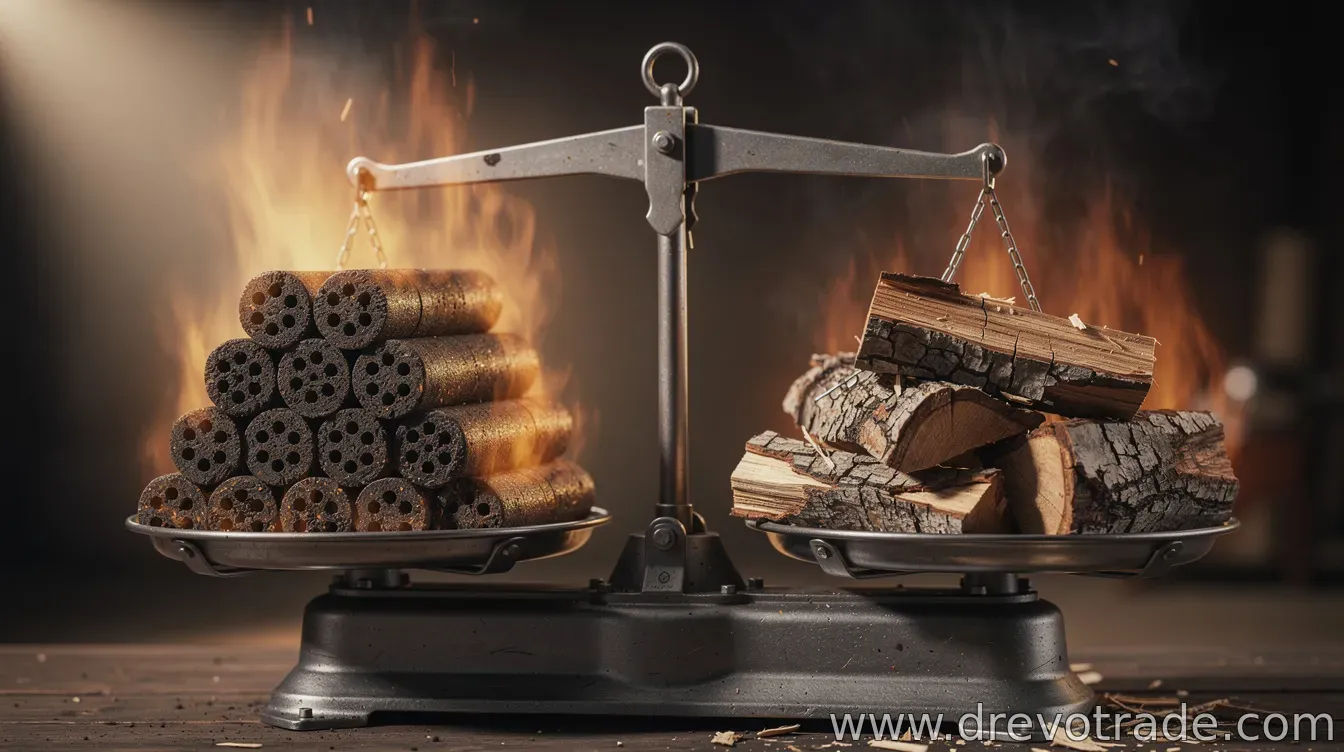 Pini Key briquettes and traditional firewood can both be used for home heating, but they don’t produce the same amount of heat per kilogram. In most real-world comparisons, briquettes tend to provide more heat per kilogram because they are usually manufactured with lower moisture and higher density than many common firewood types. Heat per kilogram is mainly determined by the fuel’s net calorific value (how much usable energy is released after accounting for water evaporation). Moisture matters because wet wood “spends” energy drying and steaming off water rather than heating your room. Typical energy content: why briquettes often winWell-dried briquettes are commonly produced from compressed biomass with a relatively consistent composition, which helps them reach higher net energy per kilogram than wood that may vary widely in dryness. Firewood energy can swing significantly based on whether it’s fully seasoned (dry) or still too wet. As a practical rule of thumb, comparisons often show briquettes delivering roughly 5–20% more heat per kilogram than average firewood, with the gap widening when firewood moisture is high. If both are properly dried, the difference can shrink—but briquettes usually remain competitive due to density and uniform burning. Moisture content: the biggest variableMoisture content affects both fuels, but it’s especially important for firewood. Even a modest increase in wood moisture can noticeably reduce effective heat output, because extra energy is required to evaporate water before the wood can burn efficiently. Briquettes are typically manufactured to be drier and more uniform, so they tend to lose less energy to water evaporation. That’s one reason they can outperform firewood on a weight basis even when the starting material (wood residues or similar biomass) is broadly comparable. Real-world factors beyond “heat per kg”Even if briquettes have a higher heat rating per kilogram, the final comfort and efficiency also depend on your stove or fireplace. Briquettes are often engineered to burn steadily, which can improve control and reduce waste in the right appliance. For firewood, how the fuel is split, stacked, and stored (and how long it’s been seasoned) can strongly influence results. Two loads of firewood that both say “dry” may still differ enough to change heat output per kilogram. To compare accurately, look for the product’s specification (for briquettes) or moisture data (for firewood), usually expressed in percentage moisture content, and/or a stated calorific value. Without that information, any “per kg” comparison remains an estimate. Bottom lineIf you’re comparing usable heat per kilogram, Pini Key briquettes generally deliver more heat than most firewood, mainly because they are typically denser and drier, reducing energy lost to evaporating water and promoting more complete combustion. For the most reliable answer in your situation, compare the moisture content and the net calorific value (or stated heat rating) of the exact briquettes and firewood you’re considering. |
|
|
Related materials:
![]()


| Total comments: 0 | |