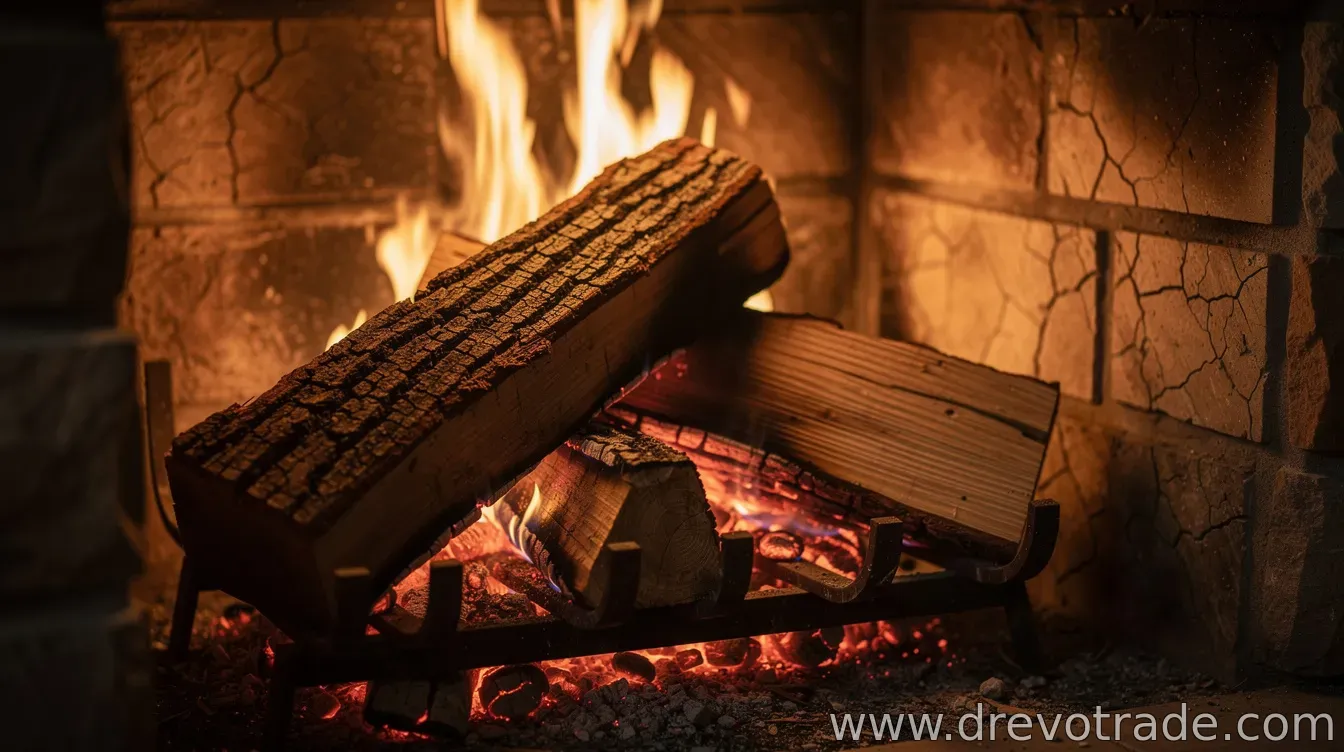
Oak firewood has long been a go-to fuel for fireplaces and wood-burning stoves, thanks to a combination of density, energy output, and reliable performance. For homeowners who want a comfortable flame and fewer disruptions during a burn cycle, oak is often considered one of the most dependable choices.
One major reason oak stands out is its density. Dense hardwoods tend to store more heat energy per unit of volume, which can translate into stronger warmth for the same amount of wood compared with lighter, faster-burning species.
Long, steady burn with consistent heat
Fireplaces don’t just need to look good—they need to maintain heat. Oak typically burns more slowly and steadily than softwoods, helping keep the fire going for longer periods. This can mean fewer refueling moments and more even heat distribution through the room.
Better coals and heat retention
Oak is valued for producing durable embers and coals that can remain a
... Read more »
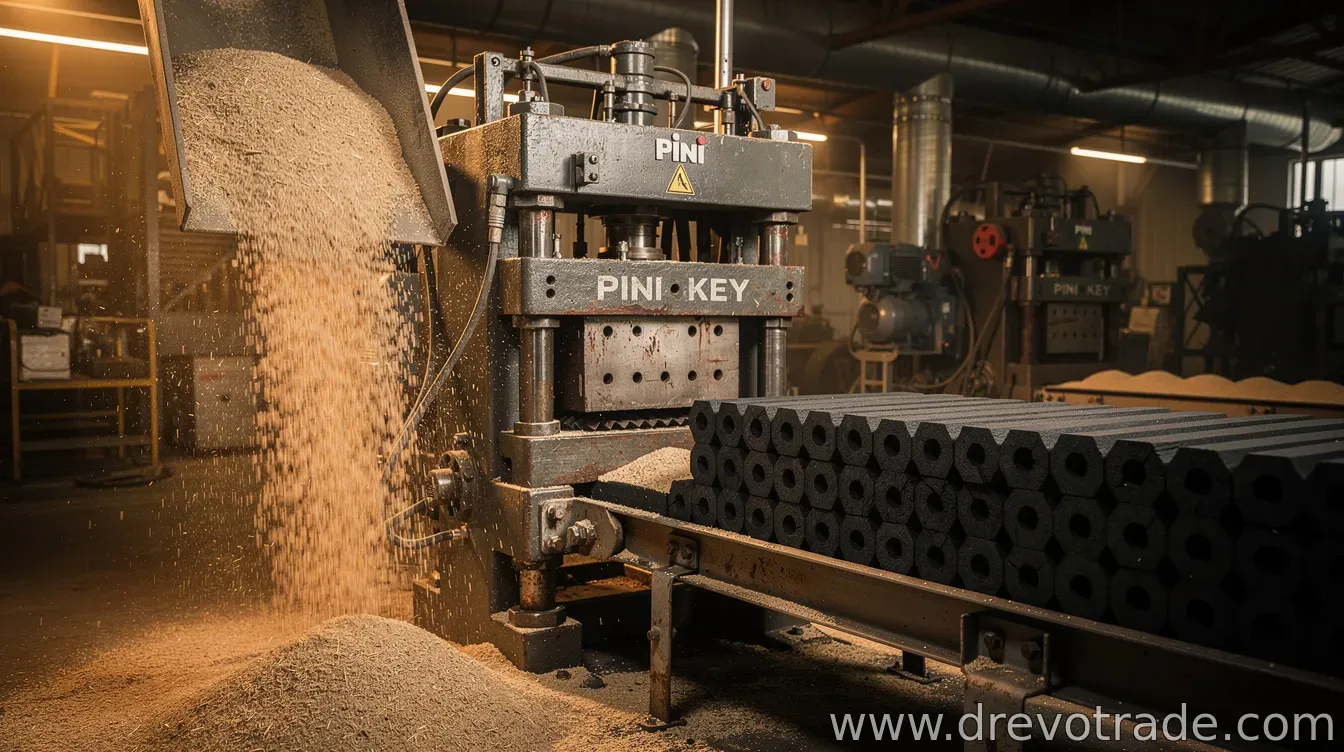
Pini® Key briquettes are a popular solid biofuel made from wood processing waste such as sawdust and wood shavings. The basic idea is simple: remove moisture, mix and bind the material, then compress it under heat and pressure so the result is dense, uniform, and easier to burn than loose biomass.
The process starts with collecting industrial wood residues from sawmills and woodworking operations. Because the fuel’s performance depends heavily on the raw input, producers typically sort the material to remove unsuitable contaminants and ensure consistent particle size.
Drying: turning waste into a fuel-ready material
Before compression, the biomass is dried. Moisture is one of the main drivers of poor combustion and unstable output. Producers lower water content using heated drying systems until the material reaches the target dryness needed for efficient densification.
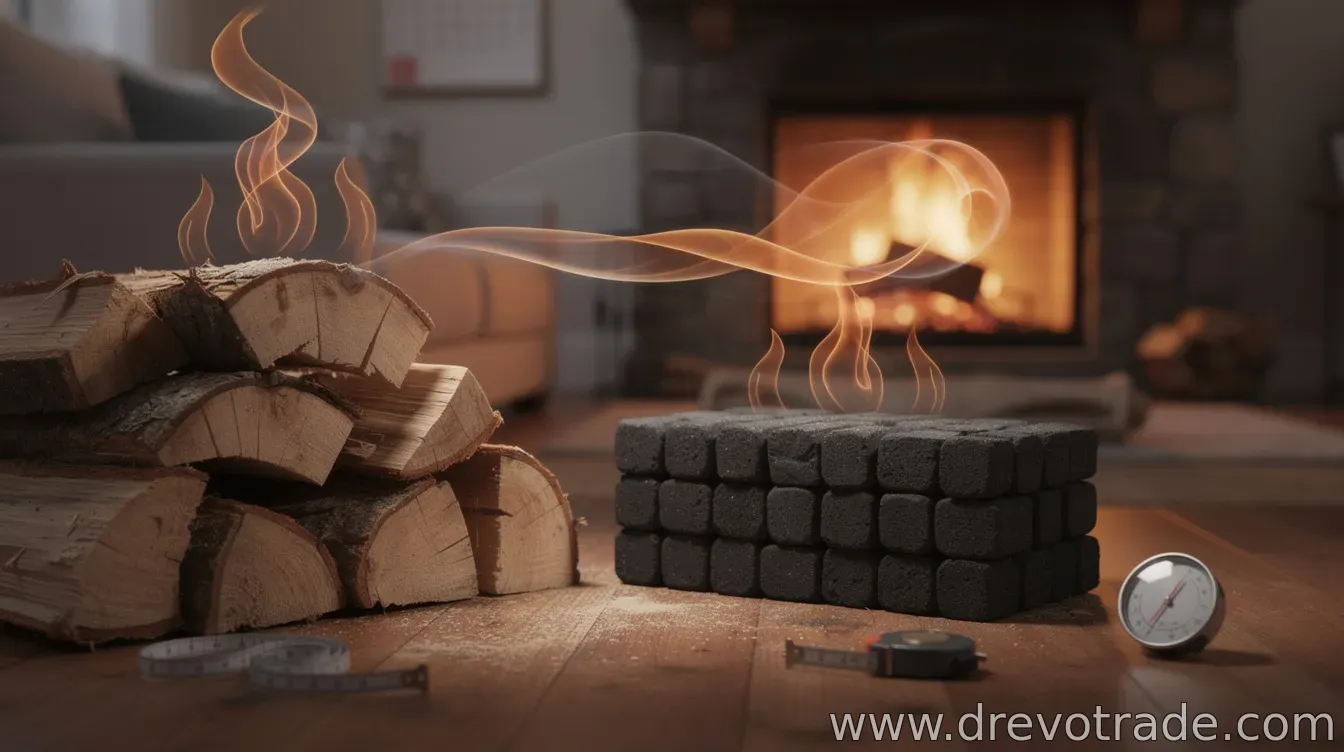
Estimating your seasonal fuel needs takes more than guessing “a few stacks.” A better approach is to start with your expected heat demand (for example, from fuel bills or insulation assumptions) and then convert that energy requirement into the equivalent amount of firewood or briquettes.
This guide walks you through the calculation in a way that works for most homes, stoves, and boilers—so you can buy the right amount and avoid both shortages and waste.
1) Estimate your seasonal heat demand
The most reliable starting point is your past energy use. If you already heat with electricity, gas, or oil, look at your seasonal consumption for the last year (or an average of similar winters). Convert that into energy (kWh), if needed, using your utility’s billing units.
If you don’t have historical data, estimate heat loss instead: homes that are poorly insulated can need several times more heat than well-insulated homes. As a
... Read more »
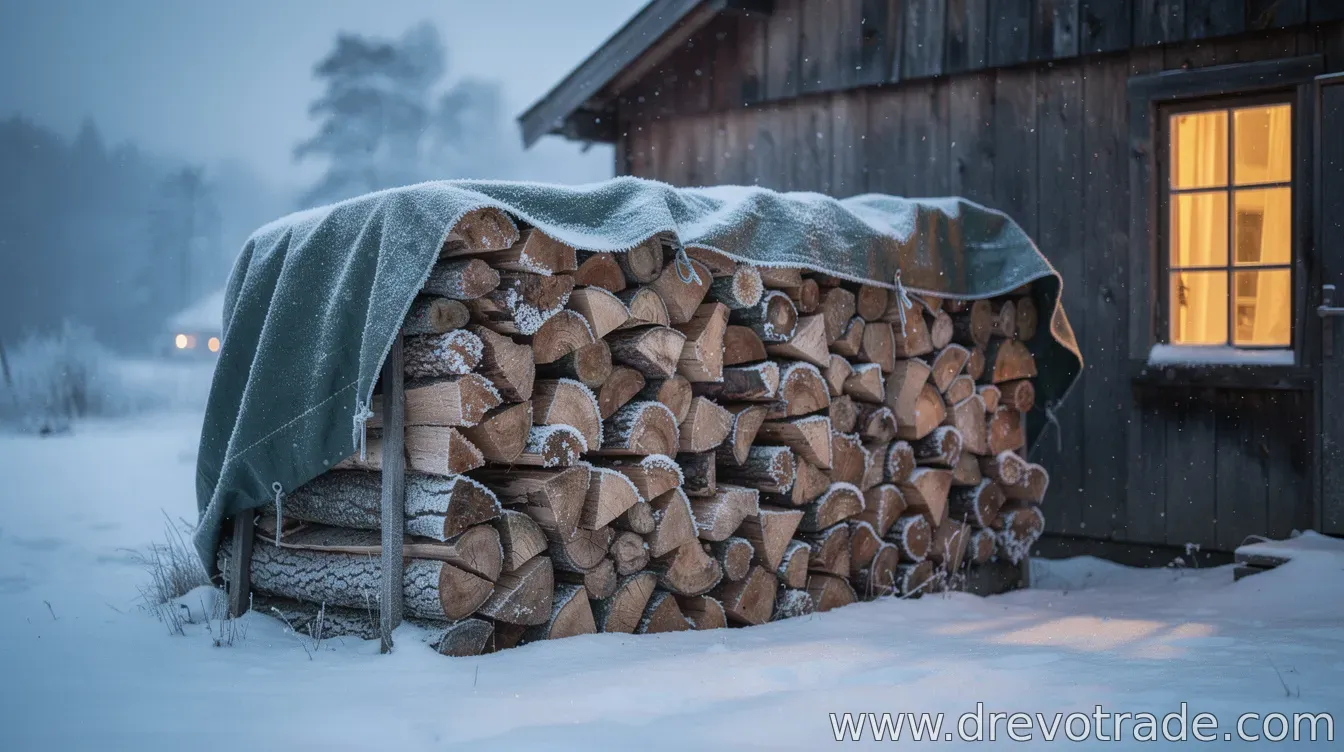
As winter approaches, a few targeted steps can make your firewood easier to light, more efficient to burn, and less prone to deterioration from moisture and temperature swings. Whether you’re topping off a seasoned supply or organizing a newly split stash, this checklist will help you get your woodpile ready for steady cold-weather use.
1) Do a quick moisture check
Before winter weather locks in, measure (or estimate) how dry your wood is. Firewood that’s still too wet burns poorly, produces more smoke, and wastes energy. If you use a moisture meter, aim for well-seasoned wood (often around the mid-teens to low 20% moisture range, depending on species and measurement method). If you don’t have a meter, look for cues like smaller cracks in the end grain and lighter weight for the same size compared with fresh-split logs.
2) Confirm you have enough dry stock at hand
Don’t leave everything to be “ready later.” Move
... Read more »