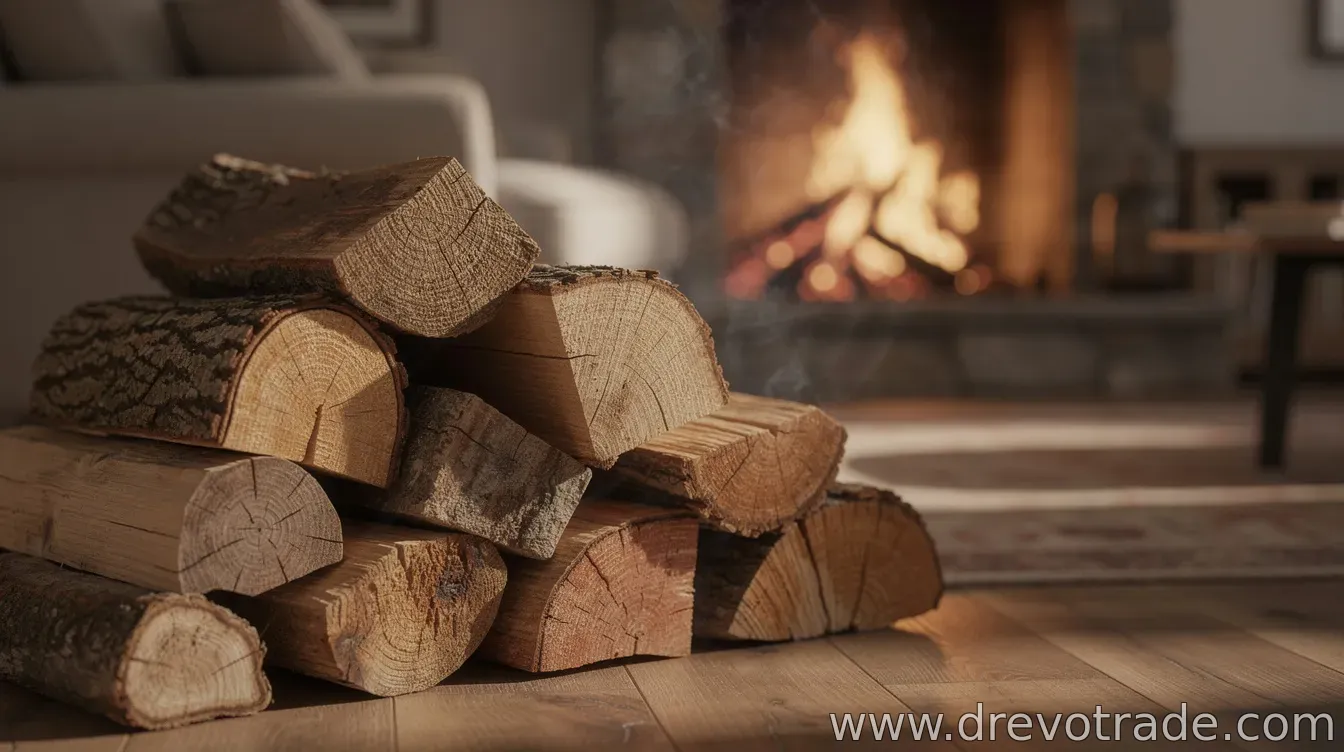
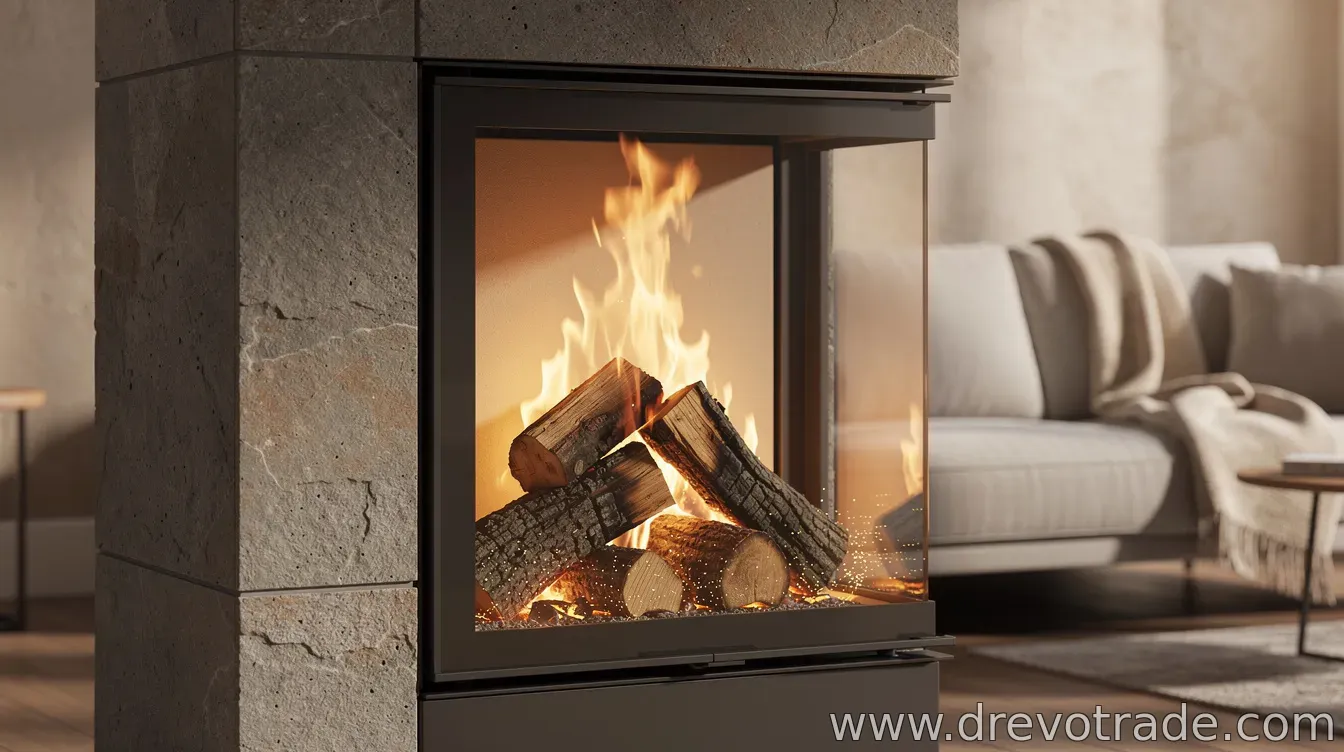
When collecting firewood for fireplace burning, it is important to check not only the type of wood, but also the moisture content, the correctness of drying and the type of fire that is used in the fireplace. The correct choice helps to remove stable heat, change the formation of soot and improve the safety of the fireplace.
Why oak is often used for a fireplace
Oak is one of the largest and most energy-intensive species in the “traditional” wood assortment. Through the thick wood, the oak tree provides greater uniform heat output to the stove. This often means less frequency of injection and less control over the intensity of the half-wave.
Okremy plus - oak can be less “capricious” to a stable burner, as long as the firewood is properly dried. Important: without proper drying, the best breed will not thrive as well as cool.
Pine, birch and others: what gives stink away
Conifers and pine trees often lend themselves to the
... Read more »
Smoke and soot during kindling usually appear not because of the “wrong method”, but because of a combination of factors: damp wood, weak or incorrect draft, insufficient air flow and too large/dense logs. Below is a practical plan on how to minimize smoke when lighting a fireplace or boiler.
1) Use only dry firewood
The most common cause of a “smoky” start is damp wood. Dry firewood burns faster and practically does not emit thick smoke during acceleration. Guideline: firewood should be well dried (stored in a dry place, under a canopy) and easy to split. If the wood “looks dry”, but when lifted is heavy or does not work with a crackling sound, it is better not to light it.
2) Prepare the draft and check the chimney
Before lighting, make sure that the chimney/pipe is working: the cleanliness of the channel critically affects the draft. If there is soot or obstructions in the pipe, smoke will come out through the fi
... Read more »
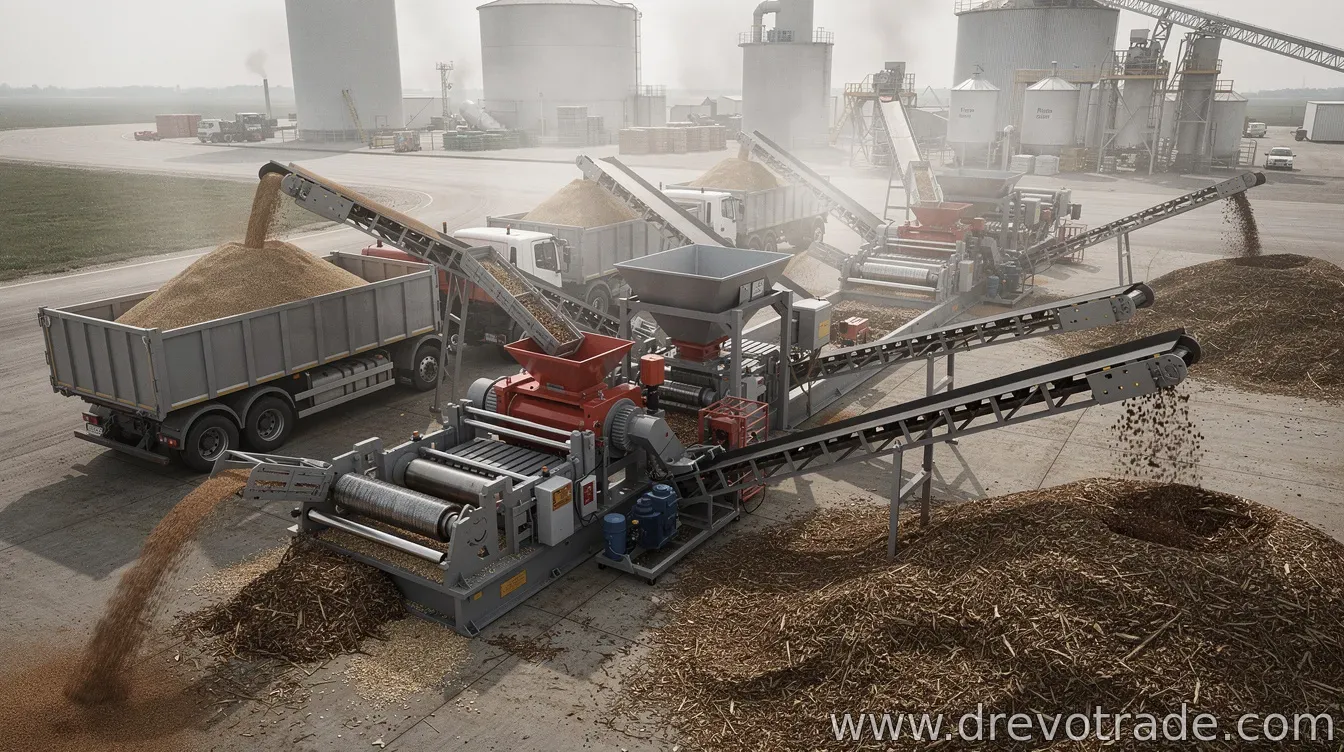
The companies that supply raw materials for briquettes are determined primarily by the type of raw material and production technology. In practice, customers most often receive materials from related industries: woodworking, agricultural processing, as well as suppliers of coal raw materials (for coal briquettes).
Below are the main categories of suppliers that briquette manufacturers most often work with, and what materials they usually offer.
1) Woodworking companies (sawdust, shavings, wood chips)
For wood briquettes, the key suppliers are sawmills, woodworking plants, furniture and carpentry industries. They regularly generate waste in the form of sawdust, shavings, wood scraps, and sometimes wood chips. These flows are often the most stable source of raw materials.
Such companies can usually ship raw materials either as “production waste” or after sorting/crushing, which simplifies the launch of a briquetting line.
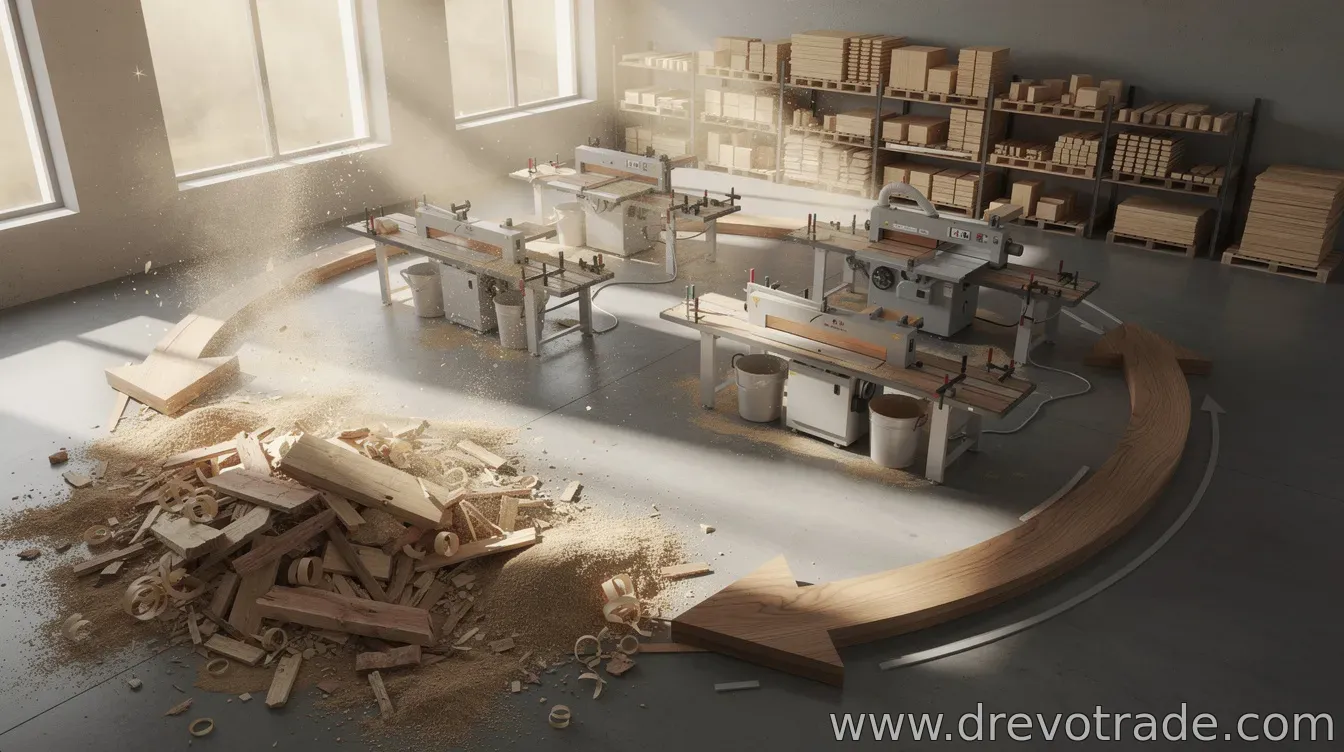
Woodworking traditionally works with relatively “material-intensive” processes, where a significant part of the raw material can turn into waste: sawdust, shavings, trimmings, dust, ash and sludge after filtration. In the circular economy approach, these fractions are not considered as waste, but as a resource that has a clear application within the same or related industries.
The idea is simple: minimize losses at the cutting and drying stage, standardize the collection and sorting of residues, and then “close the loop” through recycling. The result is less accumulated waste, lower environmental impact and additional sources of value for companies.
What waste becomes a resource
In woodworking, the most typical residue streams form the basis for reuse. Their suitability depends on the purity, impurity content and stability of the fractions.
The most common “second lives” include: sawdust and shavings for briquettes an
... Read more »